
Notes on eating Bánh Chưng when suffering from hypertension
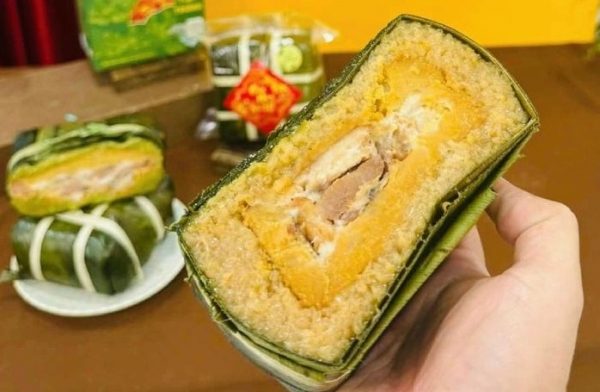
Bánh chưng is a high-energy food, limited for many people. Photo: Hữu TìnhBánh chưng is an indispensable traditional dish during the Vietnamese traditional Tết holiday. However, according to Specialist Doctor I Võ Văn Long from University Medical Center Ho Chi Minh City - Campus 3, with high energy content and starch-rich ingredients, Bánh chưng can cause many health disadvantages, especially for people with hypertension.
Energy and ingredients of Bánh Chưng
An average Bánh chưng weighing 1kg contains between 2,000-2,500 calories, depending on the ingredients. Just one piece (about 200g) provides 400-500 calories, equivalent to 1-1.5 bowls of rice.
The main ingredient of Bánh chưng is glutinous rice - a type of starch with a high glycemic index. 100g of glutinous rice provides about 350 calories, easily increasing blood sugar and causing excess energy if eaten in large quantities.
In addition to starch, Bánh chưng also contains fatty meat - a source of high saturated fat. According to Dr. Long, 100g of fatty meat provides up to 900 calories, contributing significantly to the total energy of the diet.
Excessive consumption and cardiovascular burden
Dr. Long believes that consuming too much fat not only causes weight gain but also increases the risk of blood lipid disorders, which is a factor closely related to hypertension and cardiovascular disease. Although the mung beans in Bánh chưng are rich in fiber and help slow down sugar absorption, it is not enough to compensate if the total amount of cake consumed is too high.
Associate Professor Dr. Lâm Vĩnh Niên, Head of the Department of Nutrition and Dietetics at University Medical Center Ho Chi Minh City, said that during the Tết holidays, the imbalance between energy intake and energy expenditure is the reason many people gain weight quickly. For patients with hypertension, weight gain increases the burden on the cardiovascular system, making blood pressure harder to control.
Controlling portions and side dishes
Experts recommend that people with high blood pressure can still eat Bánh chưng but need to control their portions. Each time, they should only eat about 1/8 of a cake, treating it as a light meal and not eating it with other starch-rich dishes like rice, noodles, or sticky rice. The appropriate time to eat is in the morning or at lunch, avoiding eating in the evening when the body is less active.
Besides, patients should limit eating Bánh chưng with pickled onions or salty braised meat because high sodium content can cause water retention and increase blood pressure. They should eat it with plenty of green vegetables and starch-free salads to add fiber and support digestion. After eating, patients should engage in light exercise such as walking for 20-30 minutes to help consume excess energy.
Additionally, hypertensive patients can choose vegetarian Bánh chưng, low-fat versions, or small-sized cakes to easily control their intake, keeping the full flavor of Tết while protecting their health.