
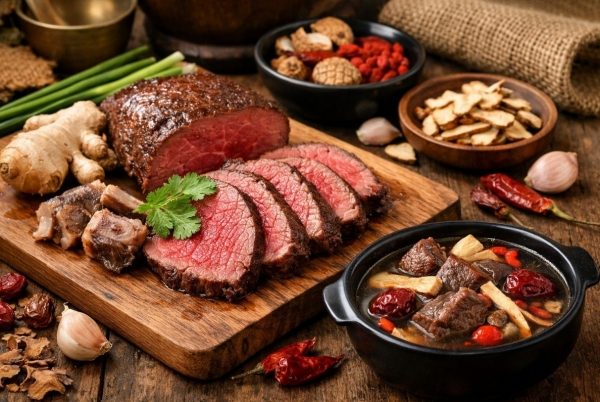
Horse Meat Is Highly Nutritious, but One Group of People Should Avoid It
Speaking with reporters, Dr. Huynh Tan Vu (Specialist Level 2) from the Ho Chi Minh City University Medical Center - Campus 3 explained that in the treasury of traditional Eastern medicine, horse meat is not only consumed as daily food but is also regarded as a health-promoting therapeutic remedy.
According to modern medical literature, horse meat is nutrient-dense, rich in iron, and helps support cardiovascular health and physical recovery. It is considered a healthy alternative to beef for suitable individuals.
Ancient medical treatises such as the Compendium of Materia Medica and Miraculous Vietnamese Pharmacopoeia by Tue Tinh recorded in detail the properties, benefits, and proper uses of this food.
According to traditional medicine, each part of the horse's meat and bones offers distinct properties and therapeutic uses:
Horse meat has a sweet, slightly sour taste and cooling properties. This is a significant difference from beef or dog meat, which possess warming or hot properties. Thanks to its cooling nature, horse meat helps clear internal heat, soothe the body, and is well suited for individuals suffering from internal heat conditions. Horse meat primarily acts on the liver and spleen meridians.
Horse bone, on the other hand, possesses warm properties and targets the kidneys. Therefore, horse bone glue extract is frequently used to strengthen sinews and bones, supporting the treatment of rheumatism and joint pain.
Key Benefits of Horse Meat
According to traditional medical theory, horse meat is utilized in numerous cases for nourishment and therapeutic support:
- Supporting "bone flaccidity" syndrome: Horse meat is used for stroke patients bedridden for prolonged periods that lead to muscle atrophy and limb weakness, or for children who are slow to walk or suffer from rickets.
- Nourishing qi and blood, restoring vitality: Horse meat is suitable for postpartum women with blood deficiency, pale complexions, and fatigue, or for people recovering from illness who need to restore their vital energy.
- Supporting wound healing: Due to its cooling nature and tissue-generating capabilities, horse meat was traditionally used to support the healing of chronic ulcers and slow-healing wounds.
Despite its many benefits, horse meat should not be consumed indiscriminately. According to Dr. Vu, horse meat carries risks of veterinary drug residues. Therefore, consumers must never eat meat from racehorses, draft horses, or pack horses. These animals are frequently treated with pain relievers and anti-inflammatory drugs, notably phenylbutazone—a substance prohibited from food residues due to the risk of severe damage to bone marrow and the hematopoietic system. You should only consume horse meat raised specifically for meat, with clear origin and proper veterinary oversight.
Horses can harbor parasites such as trichinella worms. As a result, people should avoid consuming raw, rare, or lime-cured horse meat unless it has been strictly certified through food safety quarantine.
Horse meat has a lower fat content than beef, but it remains a red meat and contains relatively high levels of purines. Individuals undergoing an acute gout flare-up or with elevated blood uric acid levels should restrict their consumption of this meat to avoid worsening their condition.
Dr. Vu further noted that during preparation, horse meat should be cooked with ginger or garlic to balance its cooling nature, warm the spleen and stomach, and support digestion. Avoid overcooking or cooking over excessively high heat, which can easily leave the meat dry, tough, and lacking its natural sweetness. Gentle cooking methods such as stewing, simmering into porridge, or thorough steaming are highly recommended.