
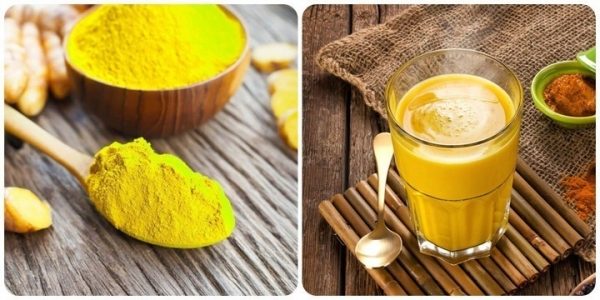
What Are the Health Benefits of Turmeric Starch?
Turmeric starch offers numerous health benefits
What Are the Health Benefits of Turmeric Starch?
An article on the Medlatec General Hospital website, with medical consultation from Specialist Doctor I Duong Ngoc Van, highlighted the following health benefits of turmeric starch:
Effective anti-inflammatory properties and prevention of chronic inflammatory diseases
Turmeric is rich in active compounds well-known for their anti-inflammatory effects, such as curcumin and curcuminoids. Traditional medicine has utilized turmeric for millennia to treat pain and inflammatory disorders. In particular, turmeric can help alleviate pain caused by chronic inflammation, rheumatism, joint pain, lower back pain, and even tendonitis.
Furthermore, turmeric possesses regenerative properties, making it beneficial for recovery following physical trauma (such as strenuous exertion) or injuries. Curcumin and other active components help the body recover faster from shock and pain.
Consequently, they promote post-workout recovery and convalescence. The curcuminoids in turmeric starch improve blood circulation, accelerating and enhancing the wound-healing process. This natural remedy is suitable for most physical injuries.
Additionally, turmeric is used to relieve symptoms of fibromyalgia. Natural solutions like turmeric provide meaningful relief to help patients cope with chronic pain.
Relieving bone and joint pain
The distinct anti-inflammatory qualities of turmeric starch significantly ease pain associated with bones and joints. Specifically, the active compounds found in the rhizome are highly effective at soothing joint pain.
Turmeric starch is also an excellent natural solution for osteoarthritis. In such cases, combining turmeric starch with Omega-3 can enhance the body’s absorption of its active compounds.
The presence of curcuminoids makes turmeric a potent natural antioxidant. Consuming turmeric can stimulate blood flow, rebuild connective tissues (muscles, joints, tendons, ligaments), and accelerate recovery after joint injuries.
Supporting healthy digestion
The active substances in turmeric play an essential role in digestion. Turmeric starch helps protect the gastric lining, creating an effective protective barrier against bacterial intrusion. The compounds in this vibrant yellow rhizome neutralize and eliminate several harmful bacteria that proliferate in the digestive tract, such as Helicobacter pylori, which causes gastric and duodenal ulcers.
Turmeric starch enhances digestion by stimulating digestive functions such as bile secretion, helping food digest more smoothly and efficiently.
Beyond aiding digestion, turmeric also helps relieve gastrointestinal distress. Packed with antioxidants and bioactive compounds, turmeric serves as an effective remedy for stomach cramps, nausea, loss of appetite, and bloating or abdominal fullness.
The World Health Organization recognizes turmeric's role in supporting the treatment of various digestive disorders. Turmeric starch also helps prevent and combat inflammatory conditions affecting the intestinal tract, including irritable bowel syndrome (IBS).
Promoting neurological balance
Turmeric's benefits also extend to the brain and the entire nervous system. Turmeric starch can be incorporated into diets to help safeguard against neurodegenerative conditions like Alzheimer's disease.
Supporting effective weight management
Turmeric starch is widely recognized for its weight loss benefits. One remarkable property of turmeric is its ability to inhibit excess fat accumulation. It actively enhances and accelerates fat digestion and natural bodily elimination. Unlike artificial weight loss products, turmeric is completely natural.
Moreover, a balanced diet enriched with turmeric, paired with regular physical activity, provides a wonderful natural approach to shedding excess weight and toning the body.
Common ways to use turmeric starch
Health & Life Newspaper (Sức khỏe & Đời sống), citing Dr. Vu Duy Thanh, shares the most common ways to use turmeric starch:
Oral consumption
Purposes: Aids digestion, fights inflammation, heals stomach ulcers, detoxifies the liver, and strengthens the immune system.
Basic preparation:
Ingredients: 1–2 teaspoons of turmeric starch (about 5–10g), 200ml warm water (below 50°C; do not use boiling water as it degrades curcumin); honey, lemon, fresh milk, or plant-based milk may be added to taste.
Directions: Dissolve turmeric starch in a small amount of warm water, stirring thoroughly until smooth; add the remaining warm water, honey (for sweetness), or a few drops of lemon juice; drink while warm.
Topical application (for skincare and beauty)
Purposes: Treating acne, brightening skin, fading dark spots and pigmentation, assisting scar healing, applied as a face mask or direct topical treatment.
Nourishing face mask recipe: Combine 1 teaspoon of turmeric starch with 1 teaspoon of honey or unsweetened yogurt, and a few drops of lemon juice or rose water. Mix well into a smooth paste.
Application:
Cleanse your face thoroughly, then apply the mixture evenly across your skin (avoiding the eye area).
Leave on for 15–20 minutes, then rinse off with cool water.
Use 2–3 times per week.
Acne scar and dark spot treatment
Application: Mix turmeric starch with aloe vera gel or honey, apply directly onto the affected area for 20 minutes, then rinse clean.
Precautions when using turmeric starch
Turmeric starch has warm energetic properties. Prolonged overuse may cause internal heat, dry mouth, or breakouts (especially for individuals with heat-dominant constitutions or yin deficiency).
Turmeric starch can be mixed with warm water and honey to temper turmeric's warming nature, as honey has neutral properties and a gentle laxative effect.
Contraindications (according to traditional medicine):
Pregnant women (due to its blood-invigorating properties, which may affect the fetus).
Individuals experiencing heavy bleeding (such as menorrhagia or frequent nosebleeds).
People suffering from severe gastroesophageal reflux disease (GERD) should avoid usage and consult a medical specialist beforehand...