
Discover the Health Benefits of Sweet Potato Leaves for Overall Well-being
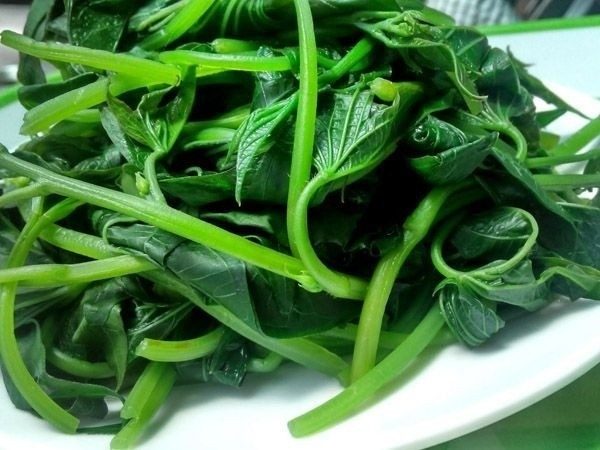
Sweet potato greens are easy to grow, simple to prepare, and offer wonderful health benefits. (Photo: Moc Mien)
Sweet potato leaves are packed with B-complex vitamins, vitamin C, vitamin E, β-carotene, biotin, and essential minerals such as magnesium, phosphorus, calcium, potassium, manganese, zinc, copper, and iron.
Thanks to this rich nutritional profile, sweet potato greens have attracted increasing attention in modern research for their diverse health-promoting potential.
According to health experts, the leaves, stems, peel, and tubers of sweet potatoes contain numerous bioactive compounds, including flavonoids, phenolic acids, proteins, carbohydrates, lipids, carotenoids, and anthocyanins.
These active compounds are associated with antioxidant properties, blood sugar regulation, liver protection, antimicrobial activity, immune support, and the reduction of cellular damage—a key factor involved in the development of cancer cells.
Scientific evidence also indicates that sweet potato leaf extracts can help reduce oxidative stress, thereby aiding in the prevention of health issues such as cardiovascular disease, premature aging, age-related vision impairment, and cancer.
One study revealed that consuming about 200g of purple sweet potato leaves daily for 1 to 2 weeks helped athletes reduce lipid and DNA oxidation while increasing blood glutathione levels, significantly boosting plasma antioxidant capacity.
In particular, in vitro studies have shown that sweet potato leaf extracts can inhibit various cancer cell lines, including colon, breast, prostate, colorectal, and lung cancers.
This mechanism is believed to be driven by polyphenols and anthocyanins, which can regulate cell cycles, induce apoptosis (programmed cell death), and suppress tumor angiogenesis.
Additionally, a peptide named IbACP isolated from sweet potato leaves has demonstrated potential in inhibiting pancreatic cancer cells in preclinical studies.
These findings highlight the promising role of sweet potato greens in cancer prevention support. However, these effects have predominantly been observed in laboratory and animal models. Sweet potato leaves are not a cure for cancer, but incorporating a diverse variety of antioxidant-rich leafy greens into one's diet can substantially enhance overall health.
Furthermore, studies on liver cell cultures and animal models show that anthocyanins in sweet potato leaves can alleviate oxidative stress, limit liver cell damage, and improve hepatic fatty acid profiles.
In parts of Africa and Indonesia, sweet potato leaves have long been used in traditional medicine to support the prevention of cardiovascular conditions.
Concurrently, several experiments indicate that the insoluble fiber, flavonoids, and quercetin found in sweet potato leaves help reduce lipid absorption in the small intestine and inhibit enzymes involved in fat metabolism, thereby contributing to lower blood lipid levels and a reduced risk of atherosclerosis.
For individuals with elevated blood sugar, flavonoids in sweet potato greens have been shown to stimulate peripheral glucose uptake, enhance insulin secretion, and reduce insulin resistance in animal models.
Nonetheless, experts emphasize that clinical evidence in humans remains limited and is not yet sufficient to provide specific dosage recommendations for preventive therapeutic purposes. Sweet potato leaves should be enjoyed as part of a balanced, varied diet that includes multiple types of green vegetables.
Who Should Avoid Sweet Potato Leaves?
While sweet potato leaves offer positive health benefits—such as lowering blood sugar, which is helpful for diabetics—this very effect can pose a risk for individuals with hypoglycemia (low blood sugar). For this reason, you should avoid eating sweet potato leaves on an empty stomach to prevent fatigue and dizziness.
When it comes to constipation, sweet potato greens act as a natural laxative; however, consuming them in excessive amounts can turn constipation into diarrhea. It is also essential to ensure they are thoroughly cooked, as eating raw sweet potato greens may actually lead to constipation or digestive discomfort.
Sweet potato leaves contain oxalates, which can increase the risk of kidney stones, meaning they should not be consumed in excess. Additionally, to ensure balanced nutrition, it is best to pair sweet potato greens with meats or animal liver.