
Goosegrass in Folk Wisdom and Scientific Research
Goosegrass is an easily found herbal plant that grows among wild weeds yet offers numerous health benefits.
Plant Identification and Traditional Uses
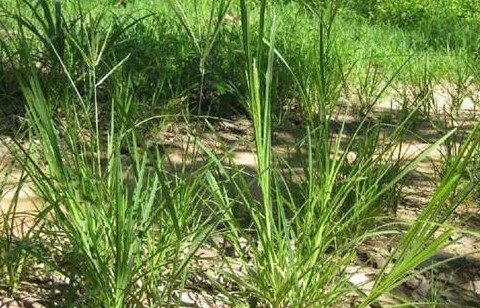
Goosegrass (Eleusine indica), also known locally in folk tradition as *co chi* or *nguu can thao*, is a common wild grass found everywhere from plains to mountain regions. Highly resilient and tolerant of harsh conditions, it frequently grows on barren soil, roadsides, and vacant plots. It features slender stems, long leaves growing in tufts, and distinctive flower spikes that radiate like outstretched fingers—a familiar sight to anyone who grew up in the countryside.
Although often regarded as a weed, goosegrass has long been cherished in traditional medicine as a valuable remedy. According to traditional medicine, goosegrass has a sweet taste and cooling nature, helping to clear heat, detoxify, promote urination, soothe the liver, and lower blood pressure. Therefore, it is commonly used in herbal remedies supporting the treatment of conditions related to the liver, kidneys, hypertension, and internal heat. One of its most widespread uses is supporting blood pressure management. Local people often wash the whole plant (including the roots) and boil it to drink daily. Many elderly people in rural areas still maintain the habit of drinking goosegrass tea as a natural way to help stabilize blood pressure, rather than relying entirely on Western medicine. While it cannot replace conventional medical treatment, this remains a safe supportive approach when used properly.
Additionally, goosegrass is renowned for cooling the liver and detoxifying the body. On hot summer days or when experiencing breakouts and internal heat, people often brew goosegrass water to drink. The tea is mild, light, and easy to drink, leaving the body feeling refreshed and relieved. Particularly for those regularly exposed to polluted environments or consuming alcohol, goosegrass is regarded as a natural detoxifier.
Hair Care Wisdom and Initial Scientific Research
Another lesser-known application is its ability to support hair loss treatment. In folk practice, boiled goosegrass water is used to wash hair, cleansing the scalp, reducing dandruff, and stimulating hair growth. Many elders still pass down this tip as a natural, chemical-free beauty secret. While results may vary depending on individual body chemistry, it remains a gentle, safe, and easily accessible method.
Beyond traditional experience, goosegrass has also attracted attention from modern science. Several studies indicate that the plant contains beneficial flavonoids, alkaloids, and antioxidants. These active compounds help explain its anti-inflammatory, blood pressure-lowering, and liver-protecting properties. However, it should be emphasized that most studies are still in preliminary stages, and using goosegrass for therapeutic purposes should be done in consultation with healthcare professionals.
Choosing Clean Sources and Using with Caution
The true virtue of goosegrass lies not only in its benefits but also in its accessibility and ease of use. Without needing to search far and wide, people can harvest it right around their homes or in nearby fields. However, this accessibility can sometimes harbor risks. Grass growing along roadsides, near industrial zones, or in areas with heavy pesticide use may be contaminated. Using plants from unverified sources could inadvertently introduce toxins into the body rather than eliminating them.
Therefore, when using goosegrass medicinally, it is essential to choose plants growing in clean, unpolluted environments. Before use, wash them thoroughly and consider soaking them in diluted salt water to remove dirt and bacteria. Additionally, do not overuse or consume it continuously over long periods without professional guidance, especially for pregnant women, young children, or individuals undergoing medical treatment with pharmaceutical drugs.
As the trend of returning to natural, eco-friendly products continues to gain momentum, folk remedies like goosegrass become increasingly valuable. It represents not just a herbal remedy, but also a symbol of indigenous knowledge—wisdom accumulated across generations. However, to fully unlock the value of medicinal plants like goosegrass, there must be a harmony between traditional experience and modern science. Further in-depth research, standardized usage guidelines, and clinical verification will help bring these remedies closer to modern life in a safe and sustainable manner.
Goosegrass—from a humble roadside weed—has continually affirmed its value in daily life and medicine. Amid the rush of modern living, sometimes the simplest gifts of nature offer the greatest benefits. Perhaps the most profound lesson goosegrass imparts is not merely its healing properties, but a reminder to appreciate and safeguard what nature has bestowed upon us./.