
The Fruit That Fights 6 Types of Cancer, Wonderfully Beneficial for Women's Beauty and Health
Pomegranates boast exceptionally high nutritional value.
Nutritional Composition of Pomegranate
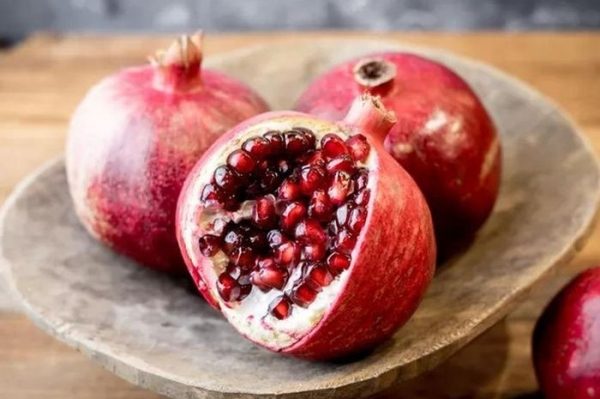
The pomegranate, scientifically known as Punica granatum, is a deciduous shrub that bears red fruit. Botanically classified as a berry, pomegranates measure roughly 5 to 12 cm in diameter. The fruit is round, red, and resembles an apple crowned with a flower-shaped calyx.
The seeds, surrounded by juicy arils, are the edible portions of the pomegranate. According to research, pomegranate has a rich nutrient profile—174 grams of pomegranate arils contain:
Fiber: 7 grams.
Protein: 3 grams.
Vitamin C: 30% of RDI.
Vitamin K: 36% of RDI.
Folate: 16% of RDI.
Potassium: 12% of RDI.
Pomegranates Contain Two Plant Compounds with Potent Medicinal Properties
The juicy seed arils of the pomegranate are wonderfully sweet and flavorful. However, the remarkable wellness value of pomegranate comes not only from the arils, but also from unique plant compounds, several of which possess powerful medicinal properties.
Pomegranate contains two distinctive compounds that offer significant health benefits:
Punicalagins: These are extremely potent antioxidants found in pomegranate juice and peel. Their antioxidant activity is so strong that pomegranate juice has been shown to deliver three times the antioxidant capacity of red wine and green tea. Pomegranate extracts and powders are typically produced from the peel and husk due to their concentrated levels of antioxidants and punicalagins.
Punicic Acid: Found in pomegranate seed oil, this is the main fatty acid in the seeds. It is a conjugated linoleic acid that exerts significant biological effects.
Health Benefits of Pomegranate
According to Phụ nữ mới, the international academic journal Food Science & Nutrition published research demonstrating that pomegranate extracts possess potent anti-tumor and anti-inflammatory properties capable of significantly reducing cancer incidence. For women, it serves not only as preventive nourishment but also as a natural secret for preserving youthful vitality and balancing hormones effectively.
Studies indicate that eating pomegranate regularly can reduce the risk of cancer by over 20%. Nutrition experts emphasize that the polyphenols, isoflavones, and tannins in this fruit help inhibit the proliferation of malignant cells and regulate chronic inflammation throughout the body.
Specifically, the 6 types of cancer that pomegranate strongly aids in preventing include:
- Breast cancer.
- Skin cancer.
- Lung cancer.
- Colorectal cancer.
- Bladder cancer.
- Prostate cancer.
Active compounds such as ellagic acid and punicalagin in pomegranate work by curbing the spread of cancerous cells through the modulation of cellular signaling pathways. When combined with a diet rich in green vegetables, the body's natural defenses are amplified even further.
Other Benefits of Pomegranate
Pomegranate Can Help Lower Blood Pressure
In one clinical study, people with hypertension experienced a significant reduction in blood pressure after consuming 150 ml of pomegranate juice daily for two weeks. Other studies have observed similar effects, particularly on systolic blood pressure, the upper value in blood pressure readings.
Pomegranate May Help Fight Arthritis and Joint Pain
Laboratory research shows that pomegranate extract can inhibit enzymes known to cause joint cartilage breakdown in people with osteoarthritis. The extract has also been demonstrated to reduce joint inflammation in animal models, although evidence from extensive human trials remains limited to date.
Pomegranate Juice May Reduce the Risk of Heart Disease
Punicic acid, the primary fatty acid in pomegranate, helps protect against several stages in the development of cardiovascular disease.
A 4-week study of 51 individuals with elevated triglyceride levels demonstrated that 800 mg of pomegranate seed oil daily significantly reduced triglycerides and improved the triglyceride-to-HDL ratio.
Another study evaluated the effects of pomegranate juice in patients with type 2 diabetes and high cholesterol, reporting a notable drop in "bad" LDL cholesterol levels alongside other cardiovascular improvements.
Both animal and human research have confirmed that pomegranate juice helps shield LDL cholesterol particles from oxidation—a crucial step in preventing atherosclerosis and heart disease.
Supports Urinary Tract Health
Laboratory and clinical studies have indicated that pomegranate extract can help inhibit the formation of kidney stones. Researchers found that pomegranate extract helps suppress the biochemical pathways associated with stone development in patients with recurrent kidney stones.
Furthermore, animal studies have demonstrated that pomegranate extract helps regulate concentrations of oxalates, calcium, and phosphates in the bloodstream—common components responsible for kidney stones.
Benefits for Women's Beauty and Health
Pomegranates provide 1 to 2 times more vitamin C than apples, helping neutralize free radicals and safeguard collagen structure, which prevents wrinkles and keeps the skin firm.
Natural phytochemical pigments in pomegranates enhance microcirculation beneath the skin, promoting a luminous complexion and diminishing dark spots from within.
The abundant vitamin K, vitamin E, and folic acid in pomegranates build a resilient protective barrier, helping women ward off inflammatory conditions.
The bioavailable iron and antioxidants in pomegranates nourish hair follicles, reducing hair thinning and shedding to encourage thicker, more lustrous hair.
Thanks to its rich supply of phytoestrogens (plant estrogens), pomegranate supports endocrine balance, helping alleviate hot flashes, night sweats, and fatigue in women.
Who Should Limit or Avoid Consuming Pomegranate
- Individuals suffering from gastric ulcers or constipation should limit pomegranate intake, as its natural acids can irritate the stomach and duodenal lining. Both the peel and hard seeds can also aggravate constipation.
- Pomegranates contain natural sugars, meaning large portions may cause rapid blood sugar fluctuations in people with diabetes.
- Because pomegranate naturally reduces blood pressure, individuals with chronic hypotension should avoid consuming it in large quantities to prevent hypotensive episodes.
- Individuals taking specialized medications such as antihypertensives (e.g., captopril, enalapril), statins for cholesterol management, or blood thinners (e.g., warfarin) should exercise caution, as combining these with pomegranate may cause drug interactions or increase bleeding risks.
- Due to its acidity and sugar content, frequent consumption may wear down dental enamel and exacerbate toothache in individuals with dental problems or cavities.
- People with sensitivities or allergies to pomegranate components may experience reactions such as itching, swelling of the lips or tongue, and shortness of breath.
- Pomegranate influences blood coagulation, making it unadvisable for individuals scheduled for surgery.
- Small children should not be given whole pomegranate seeds due to the risk of choking.
Note: It is best enjoyed during breakfast or lunch; avoid eating pomegranate on an empty stomach and chew the seeds thoroughly to avoid intestinal blockage.