
Effective Foods to Protect Your Skin from the Summer Sun
In addition to applying sunscreen, nourishing your skin from within through diet can establish a dual "barrier" to defend against the impact of UV rays. Below are beneficial foods for your skin during the sunny season.
1. Foods rich in beta-carotene and lycopene
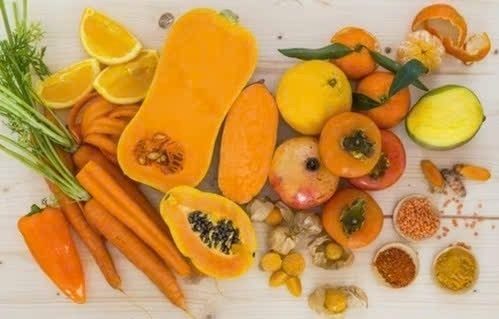
Carotene and lycopene are two potent antioxidants belonging to the carotenoid family. These nutrients are abundant in fruits and vegetables—especially those with orange, red, or pink hues. Studies show that carotenoids obtained from food act as protective agents, and beta-carotene can provide natural sun defense for the skin.
Additionally, lycopene inhibits collagenases—the enzymatic breakdown of the skin's natural collagen—helping to preserve collagen levels while reinforcing the skin's protective barrier. Lycopene is readily found in red-colored foods such as watermelon and tomatoes.
Foods rich in carotene, lycopene, and vitamins help nourish the skin, maintain smoothness and firmness, and slow down photoaging caused by sun exposure.
2. Foods rich in vitamin C for skin protection
When it comes to skin health, vitamin C is an indispensable nutrient. It is a powerful antioxidant that plays a crucial role in collagen synthesis—an essential component for maintaining skin structure and elasticity.
Beyond citrus fruits like lemons, many other foods are even richer in vitamin C, most notably guava, bell peppers, broccoli, and papaya. These accessible foods can easily be incorporated into daily meals to help protect and strengthen skin health.
3. Foods containing healthy fats
Eating fats to protect the skin might sound surprising, but healthy fats are truly essential for healthy skin. To maintain elasticity, the skin needs a sufficient supply of fatty acids such as omega-3, omega-6, and omega-9, which are found in walnuts, hemp seeds, and flaxseeds, as well as salmon, tuna, mackerel, and eggs.
These fatty acids help strengthen cell membranes and bolster the skin's resilience against free radicals generated by UV exposure, thereby contributing to healthy, radiant skin.
4. Polyphenols – nature's antioxidants
When solar radiation strikes the skin, it triggers oxidative stress, producing free radicals that accelerate aging and harm the body. Polyphenols are natural antioxidants recognized for their ability to effectively counteract UV damage and help reverse cellular stress caused by environmental factors and lifestyle.
Among polyphenols, catechins found in green tea are particularly noteworthy. This compound possesses the power to help prevent sunburn damage and reduce skin sensitivity to sun exposure when drinking green tea is made a daily habit.
5. Water – the vital lifeline for skin
In sweltering weather, adequate hydration is a prerequisite for healthy skin. Skin cells continuously require water to function, purify the body, and flush out toxins. Drinking enough water stimulates metabolism, keeping the skin naturally plump and supple.
Staying well-hydrated is also an effective way to cool the body down and avoid energy depletion in the heat. Be sure to drink an average of 2 liters of water each day.
6. How to maximize the benefits of these foods
To ensure these food groups deliver optimal skin-protecting benefits against the sun, attention should be paid to preparation methods and consistent dietary habits.
- For foods rich in carotenoids such as tomatoes and carrots, gentle cooking helps increase absorption. Lycopene in tomatoes is absorbed much better by the body when cooked and paired with a small amount of healthy fat, such as olive oil.
- Conversely, foods rich in vitamin C like guava, oranges, and broccoli should be eaten fresh or lightly steamed to minimize vitamin loss from high temperatures.
- Antioxidants require time to accumulate in the body to effectively exert their protective effects. Therefore, maintain a steady daily intake rather than focusing only on days with high sun exposure. A diverse, colorful diet of vegetables and fruits will provide a full spectrum of necessary polyphenols and vitamins.
- In addition, while healthy fats from fish, nuts, and seeds are beneficial for the skin, consume them in sensible portions to avoid excess calorie intake.
- Finally, drinking sufficient water throughout the day, even before feeling thirsty, is a key factor in sustaining moisture levels and supporting skin cell defense during hot summer weather.