
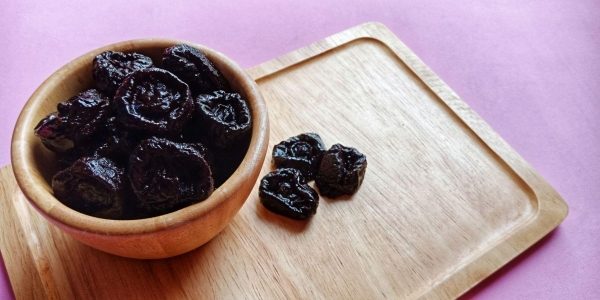
Is it better for your health to eat prunes in the morning or in the afternoon?

Prunes offer numerous health benefits.
Prunes are best known for aiding digestive health, but their benefits can also extend to weight management and boosting energy.
While there is no single best time of day to eat prunes, incorporating them into your daily snacking routine can bring a wide range of health benefits.
Nutritional value of prunes
A serving of 5 pitted prunes provides the following nutrients:
-
Calories: 114
-
Water: 15 grams (g)
-
Protein: 1 g
-
Carbohydrates: 30 g
-
Fiber: 3.3 g
-
Fat: Under 1 g
When is the ideal time to eat prunes?
There is no single best time of day to eat prunes for health benefits. Depending on your goals, habits, and daily bodily needs, you can choose to include prunes at the following times:
Choosing prunes as a digestive-support snack
Eating prunes as a snack can support weight loss, digestion, and boost energy. Prunes have a natural laxative effect; eating prunes daily helps improve bowel movement frequency and supports bowel motility in people with mild constipation or a low-fiber diet.
Some people may prefer to eat prunes earlier in the day to minimize potential discomfort at night. Because prunes stimulate bowel motility, they can also contribute to bloating.
The beneficial effect of prunes on the digestive system is due to their sorbitol and fiber content. Sorbitol is a natural sugar alcohol that draws water into the intestines, helping to promote bowel movements.
Prunes contain various types of fiber. The digestive system cannot ferment some fibers found in prunes, so they pass through the digestive tract, drawing water into the stool and making bowel movements easier.
Eating prunes in the afternoon helps boost energy
There is currently limited evidence regarding the direct benefits of prunes for boosting energy. However, the best time to eat prunes for an energy boost may be in the afternoon. Prunes provide a blend of simple and complex carbohydrates and have a low glycemic index, allowing for a steady release of energy without causing spikes in blood sugar levels.
Simple sugars like glucose and fructose are quickly absorbed and utilized by the body as fuel, providing an energy boost. The fiber, sorbitol, and polyphenols in prunes help maintain steady energy levels and prevent sudden blood sugar crashes.
In addition, prunes help create a feeling of fullness when eaten as a snack. This can help prevent overeating and the subsequent sluggishness caused by large, heavy meals.
Eating prunes before meals for weight management
Eating prunes as a snack or before meals can be an effective strategy for weight management. Prunes can increase feelings of satiety, thereby potentially reducing overall calorie intake.
A randomized controlled trial showed that substituting traditional snacks with prunes did not hinder weight loss and actually supported appetite control. Study participants achieved modest reductions in body weight and waist circumference compared to those who consumed conventional snacks.
Other studies observed significant weight loss, though reductions in waist circumference and body fat percentage from eating prunes were less pronounced.
Easy ways to add prunes to your daily diet
Prunes are highly versatile and bring a delightful sweetness to any dish:
-
Use as a salad topping.
-
Enjoy as a sweet alternative to conventional desserts.
-
Add to smoothies for natural sweetness.
-
Blend into baked goods as a natural sweetener.
-
Eat on their own as a standalone snack.
-
Stir into oatmeal, yogurt, or cottage cheese.
-
Simmer until soft to use as a natural sweetener in beverages.
-
Add to energy bites or trail mixes.
Because prunes have a laxative effect, it is recommended to start by eating just a few prunes a day—especially if your body is not yet accustomed to a high-fiber intake—and gradually increase the amount depending on how your body responds.