
Diet and longevity in the very elderly
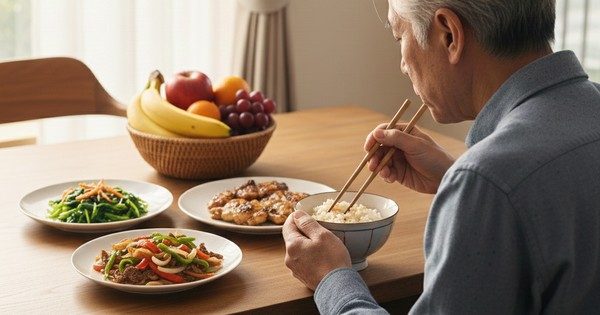
A complete diet, including adequate meat intake, helps increase the chances of living to one hundred when you are older.
Study tracking people from age 80
Researchers from Fudan University, Shanghai Jiao Tong University School of Medicine (China), and the Chinese Center for Disease Control and Prevention indicate that elderly people who consume enough meat in their diet have a significantly higher chance of living to be a hundred.
The authors analyzed data from over 5,000 individuals aged 80 and older, collected by the Chinese Longitudinal Healthy Longevity Survey (CLHLS).
These individuals were tracked over 20 years, during which many passed away during the follow-up period.
The results, published in The American Journal of Clinical Nutrition, showed that those who abstained from meat entirely were less likely to reach the end of the study—meaning reaching at least 100 years of age—than those who consumed meat.
Why nutritional needs change with age
According to SciTech Daily, these results may at first glance seem to contradict evidence suggesting that vegetarian or plant-based diets help limit age-related diseases, including cardiovascular disease, type 2 diabetes, obesity, or dangerous events like strokes, thanks to high fiber and low saturated fat intake.
However, the Chinese scientists noted that such evidence is mostly based on studies of younger people or those just entering their senior years. Meanwhile, the body's needs change significantly with age.
In the group aged 80 and older, energy expenditure, muscle mass, bone density, and appetite all decrease markedly, increasing the risk of malnutrition and frailty.
Furthermore, being underweight in the elderly has been proven to be closely linked to a higher risk of mortality.
A previous study also showed that very elderly people who do not eat meat have a higher risk of bone fractures due to lower intake of calcium and protein.
Maintaining weight and eating all food groups
Therefore, ensuring nutrition and maintaining weight—often only achieved through a balanced diet with all food groups, including meat—becomes a key factor for those aged 80 and older to reach the hundred-year milestone.
Additionally, the study showed that if you do not eat meat but still supplement your diet with fish, eggs, and milk, the chance of living to a hundred is still maintained.