
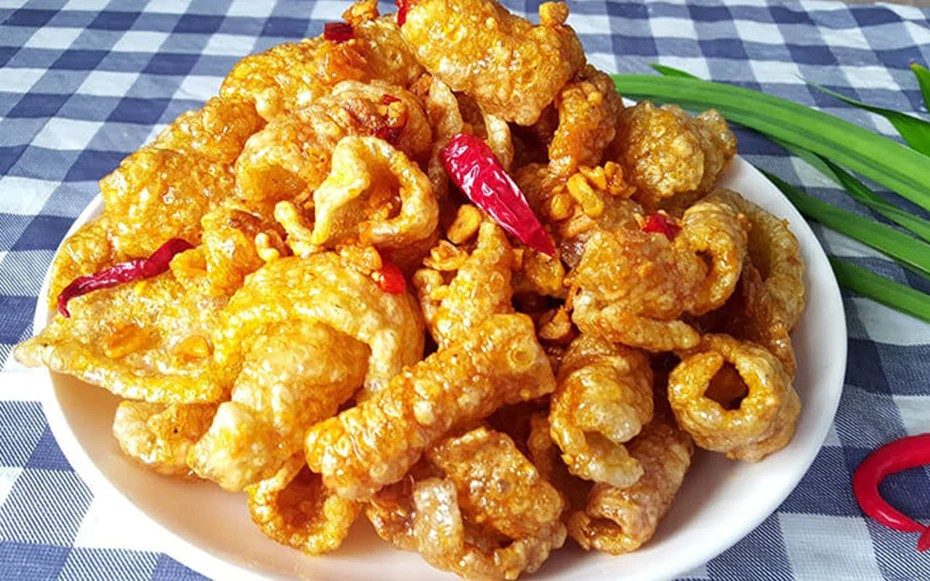
Does pork skin really help with anti-aging and joint health?
Many people have a habit of discarding pork skin, thinking it is fatty, hard to digest, and bad for health. However, pork skin still contains collagen, protein, and certain nutrients.
So, does eating pork skin really help with anti-aging and joint health as shared in some information on social media?
According to Dr. Phạm Việt Hoàng, former Deputy Director of Tuệ Tĩnh Hospital (Hanoi), pork skin might seem like a "low-value" part of the pig, but in reality, it still provides several nutrients if selected, processed, and used appropriately.
Pork skin contains collagen, which plays a role in connective tissue
Pork skin contains protein, including collagen—a vital component involved in the structure of skin, cartilage, ligaments, and many connective tissues in the body.
Therefore, pork skin can be used as a source of supplemental protein and collagen in the diet. The elderly or those concerned about bone and joint health can use pork skin in moderate amounts, such as in soups, stews, or combined with other foods.
However, it should not be understood that eating pork skin can directly cure joint pain or restore cartilage. Bone and joint health also depend on many factors such as age, weight, activity levels, and overall nutritional status.
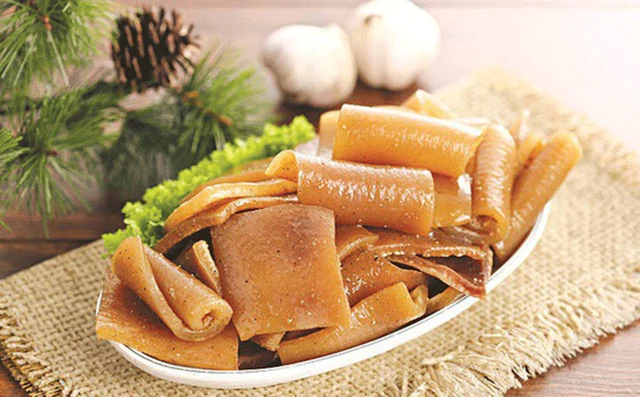
Contains Vitamin B12 but is not a "memory-boosting" food
Pork skin also contains a certain amount of vitamin B12. This is an essential micronutrient for the process of creating red blood cells and maintaining the normal functioning of the nervous system.
Providing enough vitamin B12 through the diet contributes to maintaining neurological health. However, pork skin alone should not be viewed as a food that "boosts memory" or prevents cognitive decline. A diverse, balanced, and nutrient-rich diet plays a more important role in brain health.
Does eating pork skin help with anti-aging?
Collagen is an important component of the skin, contributing to its structure and elasticity. Therefore, pork skin is often mentioned as a beneficial food for the skin.
However, one should be cautious with the concept of "eating pork skin to supplement collagen for the skin." When ingested, collagen in food is digested and broken down into peptides and amino acids. The body uses these substances according to its needs, rather than all ingested collagen being transferred directly to the skin.
Therefore, pork skin can be part of a diverse diet but should not be considered an "anti-aging miracle drug" or the sole solution for maintaining young, healthy skin.
Pork skin should not be eaten "the more, the better"
Pork skin has a high collagen content but can still come with fat, especially if the subcutaneous fat layer remains or if it is processed with energy-rich ingredients.
Eating too much, especially in a diet with excess calories and fat, can contribute to an increased risk of being overweight, blood lipid disorders, and metabolic issues.
People with cardiovascular disease, lipid disorders, overweight, obesity, or metabolic problems should consider the amount of pork skin in their portion and prioritize a balanced diet.
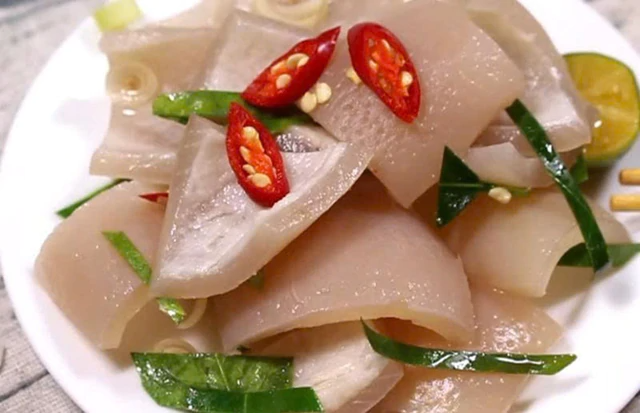
Process thoroughly to ensure food safety
Pork skin needs to be cleaned thoroughly before processing. The skin must be scraped free of hair, impurities removed, and cooked thoroughly to minimize the risk of bacterial infection and digestive disorders.
Consumers should choose pork skin with clear origins, ensuring hygiene during preparation and processing. Do not use skin that shows signs of being stale, spoiled, or improperly preserved.
In particular, crispy fried pork skin or pork rinds often contain high levels of energy and fat. Therefore, these processing methods should be limited if you are controlling your weight, blood fat, or following a healthy diet.
Pork skin can be eaten but should not be abused
In general, pork skin is not a "worthless" food. This type of food provides protein and collagen, which can be added to the diet in appropriate amounts.
However, calling pork skin an "anti-aging treasure" or believing that eating a lot will help you stay young is an overestimation of the nutritional value of this food.
To maintain healthy skin, good joints, and slow down the aging process, it is more important to build a balanced diet, control weight, exercise regularly, get enough sleep, and limit factors harmful to health.
Pork skin can be combined with vegetables and lean protein sources in portions. If selected, cleaned, and processed correctly, it is still a food source with certain nutritional value, rather than being seen simply as a part that should be discarded.