
Trouble Sleeping or Insomnia: What Should You Eat and Drink?
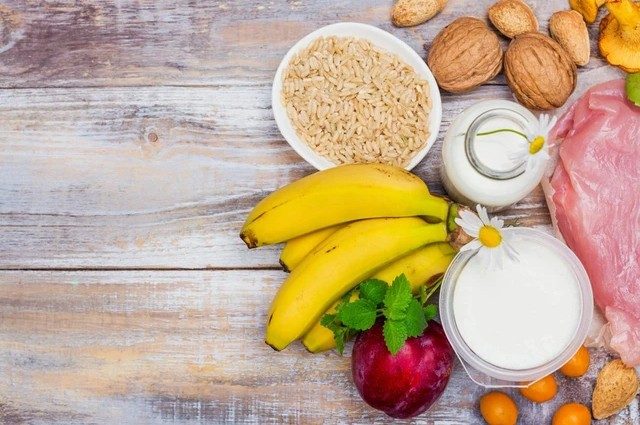
Foods rich in melatonin can improve sleep quality and reduce trouble falling asleep and insomnia.When insomnia persists, the body not only suffers from chronic fatigue but also faces risks of a weakened immune system and metabolic disorders. Current sleep medicine research shows that adjusting specific nutrient groups in your daily diet has a direct impact on the production of sleep-inducing neurotransmitters.
1. Food Groups That Promote Restful Sleep
Selecting the right foods isn't just about inducing drowsiness; it must also help sustain a stable sleep architecture and prevent waking up in the middle of the night. Incorporating the following foods into your daily meals can bring positive changes to your sleep:
Foods rich in magnesium and potassium: Magnesium acts as an agonist for GABA (Gamma-aminobutyric acid)—the primary inhibitory neurotransmitter in the human nervous system—helping calm the central nervous system and alleviate stress-induced neural impulses.
Dark leafy greens such as spinach, along with legumes and almonds, are abundant sources of magnesium. Potassium found in bananas and avocados helps prevent nighttime muscle cramps and spasms, enabling your body to relax completely.
Fruits supporting melatonin production: Cherries (especially tart cherries) contain high concentrations of plant-based melatonin. Studies show that individuals who consume tart cherry juice twice daily enjoy longer sleep duration and better sleep efficiency. Kiwi is another noteworthy choice thanks to its high serotonin levels and antioxidant properties, which help reduce inflammation—a common culprit behind sleep disturbances.
Omega-3 fatty acid sources: Fatty fish like salmon and herring provide EPA and DHA. These fatty acids are not only beneficial for cardiovascular health but also support hypothalamic function in regulating circadian rhythms, helping the body recognize precisely when it is time to rest.
2. Foods That Harm Sleep Quality
Sometimes, the root cause of insomnia is not a lack of essential nutrients, but rather the intake of substances that stimulate the nervous system. Those prone to difficulty falling asleep, tossing and turning, or insomnia should avoid the following foods, especially after dinner:
Caffeine: Adenosine is a chemical that builds up in the brain throughout the day to create sleep pressure. Caffeine works by blocking adenosine receptors, preventing the brain from receiving tiredness signals. In sensitive individuals, caffeine can remain in the nervous system for 6 to 8 hours; therefore, consuming it after 2:00 PM often leads to restless tossing and turning at night.
Alcohol and alcoholic beverages: Many people have the habit of having a nightcap to fall asleep more easily. In reality, alcohol suppresses REM sleep (the dreaming and cognitive restoration phase). As blood alcohol levels decline during the middle of the night, the body experiences a rebound effect, resulting in frequent awakenings, night sweats, and a racing heart.
Foods that burden the digestive system: Foods rich in tyramine, such as aged cheeses and smoked meats, can trigger the release of norepinephrine, a brain stimulant. Furthermore, eating overly large or greasy meals close to bedtime places pressure on the lower esophageal sphincter, leading to acid reflux—a silent disruptor of sleep.
3. A Healthy Dietary Routine for People with Insomnia
According to Dr. Nguyen Huy Hoang from the Vietnam - Russia Hyperbaric Oxygen Center, alongside non-pharmacological sleep hygiene practices—such as keeping the bedroom cool and well-ventilated, maintaining a consistent sleep-wake schedule, exercising properly, and limiting light exposure 1–2 hours before bed—individuals with insomnia should avoid heavy meals right before sleeping. If hungry, opt for a light snack such as a banana, a cup of yogurt, a hard-boiled egg, or a small portion of whole-grain cereal.
To improve insomnia effectively, one should not rely on a single "superfood" but rather establish a comprehensive, synchronized eating routine:
Have dinner at least 3 hours before bedtime: This allows the stomach to complete most of the digestive process, helping your core body temperature drop to an ideal level for falling asleep.
Prioritize light, fiber-rich evening meals: A balanced meal with moderate protein from plant sources or fish, paired with green vegetables and a small portion of whole grains, will keep blood sugar levels steady throughout the night, preventing midnight awakenings caused by nocturnal hypoglycemia.
Hydrate smartly: Drink plenty of water throughout the day, but gradually taper your fluid intake in the evening to avoid frequent bathroom trips that disrupt your sleep cycles.
Incorporate soothing herbal teas: Chamomile tea or lotus embryo tea contains apigenin, a compound that binds to specific receptors in the brain to promote relaxation without the side effects associated with synthetic sedatives.