
Dandelion: Dual Value in the Home Garden
Identifying dandelions in Vietnam
There are plants born with a fate... to be pulled out. The dandelion is a typical example: growing wild, persistent, rising green and lush after every rain. However, if viewed through a peaceful lens, what is called a "weed" is actually a "great herb" – representing resilient vitality and diverse uses.
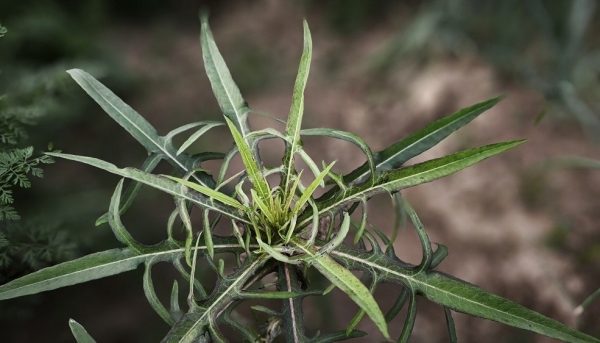
An important note for readers: In Vietnam, the name "bồ công anh" is often used for several different species. The most common are the "Western" dandelion (Dandelion - low-growing type) and the "local" dandelion (tall-stemmed wild vegetable type). Although folk uses share similarities in their "cooling – detoxifying" properties, users need to correctly identify the plant type and the parts used to achieve the best results.
A rustic touch in macrobiotic cuisine
In the green culinary trend, dandelions are favored as a bitter vegetable with cooling properties. Young leaves are suitable for salads, eaten raw with olive oil and lemon, or quickly blanched in boiling water to reduce the bitterness before mixing into salads. Dandelions can be stir-fried with garlic, stir-fried with eggs, or cooked in soup. The slight bitterness of dandelion creates a rustic yet sophisticated culinary note, helping to lighten the stomach and facilitate digestion. Dandelion leaves dried in the shade or lightly dehydrated are excellent ingredients for detoxifying teas after protein-rich meals.
The bitterness of the dandelion is like the aftertaste of life: it may be difficult to adapt to at first, but the more you experience it, the more you feel the elegant aftertaste. Enjoying natural bitterness is also a way to help us eat slower, chew more thoroughly, and appreciate gifts from Mother Earth. Dandelions should only be harvested in clean ecological areas, free from herbicides, and far from roads and waste sources. Truly clean vegetables must go hand in hand with a safe living environment.
A precious remedy in traditional medicine
In traditional medicine systems, dandelion is classified as a medicinal herb with a bitter taste and cool properties, with primary uses being cooling, detoxifying, and anti-inflammatory. Thanks to these natural properties, this plant is often used as an effective remedy for people with "internal heat," helping to soothe acne or skin inflammation issues.
Beyond that, folk experience also records its diuretic ability and support in reducing edema, helping the body gently release stagnant states. Especially for postpartum women, dandelion has long been a familiar remedy for supporting the treatment of blocked milk ducts – an application that has provided practical benefits proven over many generations.
Although it is a benign herb from the home garden, using dandelion still needs to be based on an understanding of one's body and responsibility for health. To ensure safety, users should not abuse it or arbitrarily replace specialized medical treatment protocols. Special cases such as pregnant women, people with kidney disease, or those undergoing long-term medication need to consult a specialist doctor before incorporating this plant into a regular health care routine.
Philosophy from a weed: Pull it out or keep it?
The dandelion does not seek a title as "medicine" or "vegetable." It quietly does its job: growing, turning green, and healing in the most natural way. We humans are sometimes the same. There are times when we feel out of place or useless, but as long as we choose the right environment and maintain our core values, every individual can bring unique value to the community.
Next time, if you happen to come across a dandelion in the garden, instead of rushing to pull it out based on the reflex of it being a weed, try to slow down for a moment to observe. The presence of that sprig of grass is sometimes a lesson in life attitude: Are we choosing to exclude what is different from our prejudices, or will we open our hearts to appreciate diversity to nurture and heal together from the simplest natural values?