
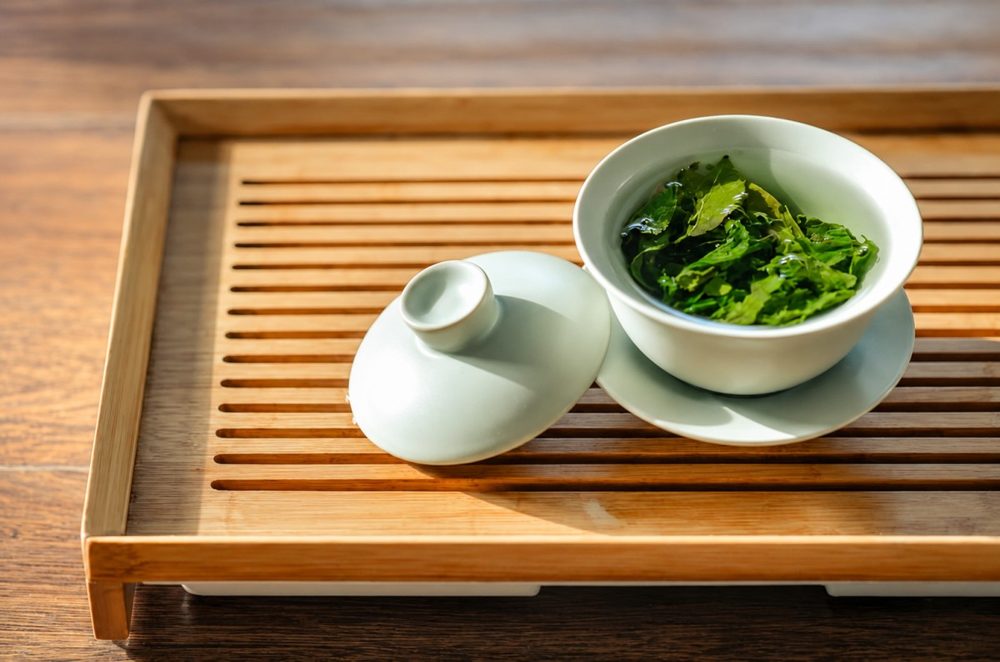
Green Tea and Cerebral White Matter Lesions in the Study
The study, led by Kanazawa University, reported a significant association between higher green tea consumption and markedly reduced cerebral white matter lesions in older adults without dementia. Findings suggest that drinking three or more cups of green tea each day may help protect brain health, whereas coffee consumption showed no notable effect.
Study Objectives and Background
Green tea and coffee contain neuroprotective compounds and are the most widely consumed beverages globally after plain water. Previous studies have shown that drinking tea and coffee confers cognitive benefits; however, few studies have examined their direct link to structural brain changes in older adults.
Cerebral white matter lesions, an indicator of cerebral small vessel disease, are associated with cognitive decline, vascular dementia, and Alzheimer's disease (AD). This study aimed to evaluate the impact of green tea and coffee consumption on white matter lesion volume, hippocampal volume, and total brain volume using magnetic resonance imaging (MRI) data.
Dietary Data and MRI Scans
The study, "Green tea consumption and cerebral white matter lesions in community-dwelling older adults without dementia", or “Green tea consumption and cerebral white matter lesions in older adults without dementia", published in the journal npj Science of Food, was conducted as part of the Japan Prospective Studies Collaboration for Aging and Dementia, a large-scale, multi-center observational study involving eight research centers across Japan.
Data were collected between 2016 and 2018, encompassing dietary assessments, MRI scans, and cognitive evaluations of 8,766 participants aged 65 and older. A Food Frequency Questionnaire was used to measure daily green tea and coffee intake, classified into four tiers: 0–200 ml, 201–400 ml, 401–600 ml, and ≥601 ml.
Brain MRI scans provided data on white matter lesion (WML) volume, hippocampal volume (HV), and total brain volume (TBV). Advanced statistical models were applied to adjust for confounding variables, including demographics, health conditions, lifestyle habits, and genetic risk factors for Alzheimer's disease.
The analysis excluded participants with mild cognitive impairment (MCI), dementia, or incomplete data, narrowing the final cohort down to 8,766 individuals.
Observed Associations and Subgroup Differences
After adjusting for confounding factors, higher green tea intake was significantly linked to lower WML volume. Participants who consumed 600 ml of green tea daily had a 3% lower WML volume compared to those who drank 200 ml or less, while those who drank 1,500 ml per day showed a 6% lower WML volume compared to the control group.
No significant correlation was observed between green tea consumption and total brain volume or hippocampal volume. Coffee consumption did not significantly influence WML volume, HV, or TBV.
The study also examined subgroups based on depression status and the presence of the ApoE ε4 allele. A significant reduction in WML volume with increased green tea consumption was observed only among individuals without depression or the ApoE ε4 allele.
These findings suggest that the antioxidant and anti-inflammatory properties of green tea catechins, such as epigallocatechin gallate, may help attenuate vascular damage and promote brain health.