
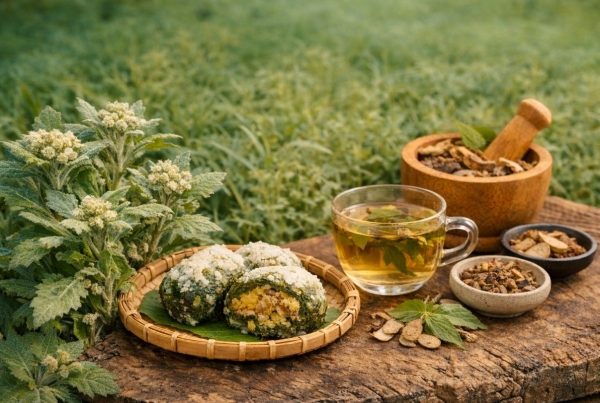
Cudweed: The Wild Fieldside Green and Its Lesser-Known Health Benefits
Beyond its culinary uses, cudweed is highly valued for its medicinal properties
Cudweed is also known by various folk names such as cuc tan, hoa cuc, co phan huong, thanh minh thao, and la khuc. The plant typically grows wild in moist environments such as along field borders, canal banks, roadsides, or around ponds and lakes.
Numerous Health Benefits
Beyond its use as a culinary herb, cudweed is prized for its therapeutic properties. In traditional Eastern medicine, cudweed has a neutral nature and a sweet taste, offering benefits such as soothing coughs, expelling phlegm, clearing heat, detoxifying, and supporting the relief of common colds and asthma. Additionally, it is used to alleviate joint aches, rheumatism, scabies, and swollen boils.
According to modern medicine, cudweed offers several health benefits: anti-inflammatory and astringent properties, promoting wound healing and cell regeneration in damaged tissues; supporting the management of constipation and hemorrhoids; and helping to relieve pain, inflammation, and swelling in people with gout when fresh crushed leaves are applied topically.
In addition, cudweed possesses mild diuretic properties and can help improve mood and ease tension. Dried cudweed flowers can be stuffed into pillows to provide a pleasant aroma while helping improve sleep quality. A decoction made from cudweed is also used as a mouthwash to help soothe oral inflammation, canker sores, and mouth ulcers.
Some Folk Remedies Using Cudweed
In traditional folk practice, cudweed is used in several simple, practical remedies:
For coughs and phlegm relief: Decoct about 20g of cudweed with rock sugar and drink daily. Alternatively, chop the leaves finely, add sugar, steam the mixture, and drink the extracted liquid.
For common colds: Simmer cudweed together with perilla leaves and Vietnamese balm (kinh giới) to make a herbal tea.
Support for bronchitis: Boil cudweed into a concentrated decoction yielding about three cups; drink in three divided doses throughout the day for about 12 consecutive days.
For sore throat: Decoct cudweed with ephedra, coltsfoot flowers, bitter apricot seeds (apricot kernels), and swallowwort root.
Support for high blood pressure: Combine cudweed with gambir vine (câu đằng) and Chinese taxillus herb (tang ký sinh) into a daily decoction, or incorporate cudweed into regular meals.
For boils and blemishes: Crush fresh cudweed leaves finely, mix with cold cooked rice, and apply as a poultice onto the inflamed skin area.
Precautions When Using Cudweed
Despite its many health benefits, cudweed is not suitable for everyone. Certain compounds in the plant may trigger allergic reactions in sensitive individuals. Therefore, when using cudweed for medicinal purposes, please keep the following in mind:
Consult a doctor or healthcare professional before use.
Adhere strictly to recommended dosages; do not overuse or formulate home remedies arbitrarily.
Individuals with underlying health conditions or those taking prescribed medications or supplements should consult their doctor beforehand.
Cudweed should not be used by pregnant or breastfeeding women, young children, or individuals with a known allergy to plants in the Asteraceae (daisy) family.
If unusual symptoms appear, such as skin rashes, nausea, dizziness, or digestive disturbances, discontinue use immediately and seek medical attention.
Use only for short periods; if symptoms do not improve, seek clinical medical evaluation for appropriate care; do not combine cudweed with western pharmaceutical medications on your own to avoid adverse interactions and protect treatment efficacy.