
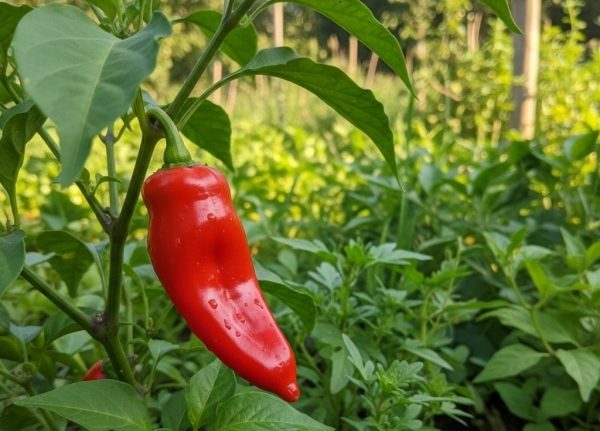
A Familiar Fruit Known as Nature's Natural Painkiller
According to Dr. Huynh Tan Vu from the University Medical Center Ho Chi Minh City, chili peppers are a staple spice in the meals of many Vietnamese families. In traditional medicine, chili peppers have a pungent taste and warm nature, and are believed to soothe the middle burner, dispel cold, invigorate the spleen, promote digestion, and relieve pain.
Thanks to these properties, chilies are often used to help treat cold-induced stomach pain, poor digestion, joint and bone aches, or applied externally in certain cases of insect and centipede bites or snakebites.
Some traditional medical texts also note that chili peppers can help boost immune resistance and support disease prevention when the body catches cold or suffers from chills.
Health Benefits of Chili Peppers
The active compound capsaicin helps relieve pain
Modern medical research also confirms numerous biological effects of chili peppers, mainly due to capsaicin—the compound responsible for the fruit's signature heat. Capsaicin is typically more concentrated as the chili ripens, accounting for about 0.01–0.1% of the fruit's composition.
This active compound can stimulate the brain to release endorphins—the body's natural "endogenous morphine." Endorphins act as natural painkillers, which is why capsaicin is considered beneficial for relieving pain, especially in people with chronic arthritis or persistent aches.
Today, capsaicin is also formulated into various topical medications such as pain-relieving creams and patches, commonly used for individuals with post-herpetic neuralgia or musculoskeletal pain.
Cardiovascular support and boosted immune resistance
In addition to its pain-relieving effects, several studies indicate that compounds in chili peppers may help improve blood circulation and reduce platelet aggregation, a factor linked to the risk of blood clot formation.
Consequently, consuming chili peppers in moderation as part of a daily diet can help support cardiovascular health and aid in blood pressure management.
Furthermore, chilies are rich in vitamins and antioxidants, which help strengthen the immune system and support the body in warding off common cold-related ailments.
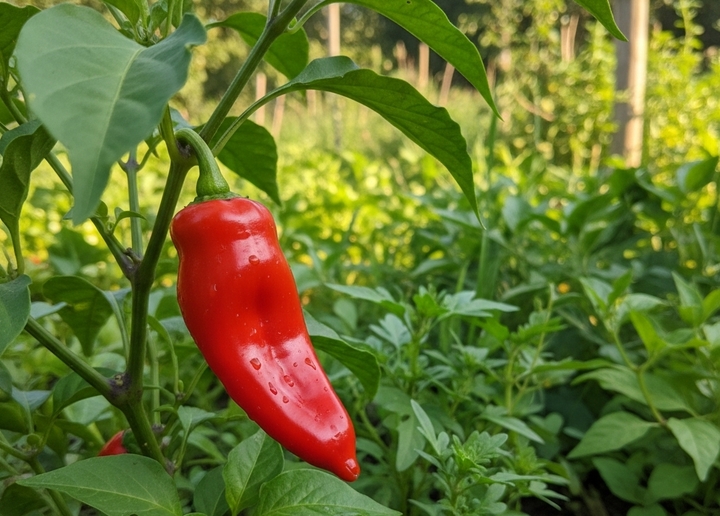
Chili is a familiar spice in the meals of many Vietnamese families.
Traditional Folk Uses of Chili Peppers
In folk tradition, chili peppers are used as an ingredient in various health remedies.
For instance, ripe chilies can be soaked in rice wine for about 10–20 days, and the resulting tincture is rubbed onto the scalp to stimulate hair growth, particularly for individuals experiencing hair loss following chemotherapy.
Chili is also commonly used as a seasoning in daily meals to aid digestion and help alleviate bloating and sluggish digestion.
For stomach pain caused by exposure to cold, folk remedies often combine chili with powdered turmeric, taken several times a day to warm the stomach.
In cases of chronic joint and bone pain, chili may be combined with Tinospora sinensis and Smilax glabra, decocted into a herbal drink according to traditional medicine practices.
Additionally, crushed chili leaves mixed with salt are sometimes applied as a poultice on boils to relieve pain, draw out pus more quickly, and promote healing.
Precautions for Use
Despite their many benefits, chili peppers remain a strongly pungent and hot food. Overconsumption can cause stomach irritation, especially in individuals with gastrointestinal conditions.
Therefore, chili should be consumed in moderation in the daily diet. For folk remedies, individuals should consult qualified healthcare practitioners before use to avoid unwanted side effects.