
Cold Weather, Aching Joints: Don't Waste This Inexpensive Herb
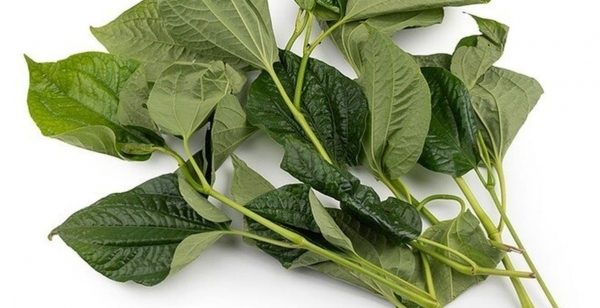
When preparing wild betel leaf, most people only use the leaves and discard the stems, which is a great waste. Illustrative photo.
Culinary greens and herbs in Vietnam are exceptionally diverse, with each season offering its own characteristic varieties. Notably, many are not merely table vegetables but also potent medicinal herbs—some even revered as "miracle cures"—yet frequently prepared in wasteful ways. A prime example is wild betel leaf (Piper lolot)—a popular, resilient herb available year-round.
Dr. Nguyen Thu Thuy, Head of the Traditional Medicine Department at Duc Giang General Hospital, notes that wild betel leaf is a widely used culinary herb that also serves as a valuable herbal medicine, with both its stems and roots offering therapeutic benefits. In daily cooking, however, people often use only the tender leaves while discarding mature leaves and stems, unaware that these contain potent natural properties that provide exceptional health support during cold weather.
When temperatures drop, joint pain becomes common, particularly among seniors. This occurs because tendons, muscles, and synovial fluid tighten and thicken, causing joints to stiffen and ache. Cold weather also impedes blood circulation, exacerbating the discomfort. As a result, many turn to preventive natural remedies, with wild betel leaf being one of the most effective choices.
According to traditional medicine, wild betel leaf has a pungent taste, strong aroma, and warming nature, entering the large intestine and lung meridians. It helps warm the middle burner, dispel cold, stimulate digestion, direct qi downward, alleviate pain, and promote circulation. Modern scientific research confirms that it exhibits notable antibacterial, anti-inflammatory, and pain-relieving effects. Consequently, using wild betel leaf to combat rheumatism, numbness, and joint pain has long been widely practiced.
Dr. Thu Thuy adds that wild betel leaf is rich in essential oils and alkaloids, notably beta-caryophyllene—a compound known to reduce inflammation, swelling, and pain effectively. Therefore, when using young leaves for cooking, be sure to save the older leaves and stems. Boiling them in water and allowing it to cool to a comfortable warmth creates an excellent foot soak. The optimal time for a foot soak is in the evening, and adding a pinch of salt will further boost its disease-preventing benefits.
Studies indicate that soaking feet in wild betel leaf water can enhance blood circulation, clear meridians, balance yin and yang, and ward off chills. Additionally, these herbal foot baths soothe the mind, making it easier to fall asleep. Restful, restorative sleep combined with a relaxed mindset helps keep the body healthy and resilient over the long term.
Beyond the leaves, wild betel leaf stems are packed with active compounds that effectively aid health treatments. Illustrative photo.
According to traditional medicine, here are several simple, accessible remedies anyone can prepare with wild betel leaves:
- Boil the stems and leaves of wild betel leaf, let the water cool to a comfortable warmth, and soak your feet while gently massaging them to stimulate acupoints on the soles. This method relaxes the nervous system and promotes deeper, more restful sleep.
- Relieve rheumatism: Combine 12g of wild betel root or stem, 12g of winged-stem vine (dây chìa vôi), 12g of chaff-flower root (cỏ xước), 12g of shiny-leaf prickly ash (hoàng lực), 12g of forest pepper (độc lực), 12g of red leea (đơn gối hạc), and 12g of Indian leadwort seeds (hạt xích hoa xà). Decoct and drink one dose per day.
- Relieve lower back pain and numb feet: Take 50g fresh wild betel root, 50g Acronychia pedunculata root (rễ bưởi bung), 50g Indian turnsole root (rễ cây vòi voi), and 50g chaff-flower root (rễ cỏ xước). Dry-roast until golden, decoct in water, and divide into 3 doses to drink throughout the day.
- Relieve cold-induced abdominal pain: Wash 20g of fresh wild betel leaves, simmer in 300ml of water down to 100ml. Drink warm during the day, preferably before dinner. Use continuously for 2 days.
Beyond joint care, fresh wild betel leaves can be finely chopped and combined with fresh mugwort, lightly pan-roasted, and applied as a warm poultice onto painful areas to ease inflammation.
Experts note that when using wild betel leaf for therapeutic purposes, it should only be consumed in moderation—typically an average dose of 50 to 100g. Excessive use can cause unwanted side effects such as fatigue and lethargy.