

The best way to eat bananas without spiking your blood sugar
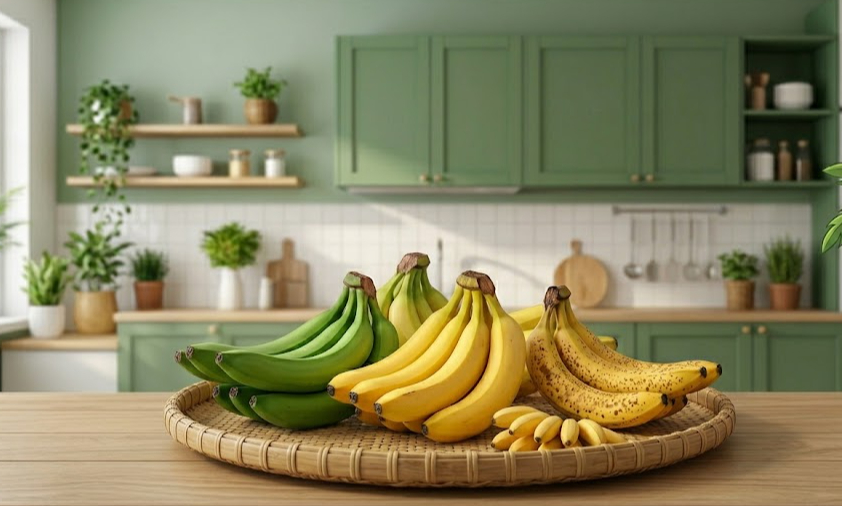
Choose bananas at the right stage of ripeness, control portion sizes, and pair them with foods that help stabilize blood sugar.
Bananas are a healthy food that provides a rich source of potassium, vitamin B6, and vitamin C. For most people, the presence of dietary fiber and resistant starch in bananas helps balance natural sugars. However, because they contain carbohydrates and sugar, eating bananas can still raise blood glucose levels. The extent of this impact depends significantly on ripeness and portion size.
Factors affecting the glycemic index of bananas
For people with diabetes, managing carbohydrate intake is essential for controlling blood sugar. Here is how bananas affect blood glucose and how to incorporate them into a healthy diet:
Glycemic Index (GI) of bananas: The GI measures how quickly a food raises blood sugar levels. Green (unripe) bananas have a low GI (around 30) because they are rich in resistant starch, which releases sugar more slowly. Ripe bananas have a medium GI (around 50 to 60) as the starches convert into natural sugars.
Notably, despite having a medium GI, the glycemic load (GL) of an average-sized banana is low (around 11). This indicates that the overall impact on blood sugar is not overly large if portion sizes are well controlled.
The role of resistant starch and fiber: Bananas are an abundant source of fiber, especially pectin and resistant starch. These components help slow down carbohydrate digestion and absorption, helping to prevent sharp spikes in blood sugar after eating.
How to eat bananas safely and scientifically
The amount of carbohydrates in a banana depends on its size: a small banana contains about 23 g of carbs, while a large one can reach 35 g or more. A large banana can contain as many carbohydrates as two standard fruit servings, making portion control very important.
To minimize the impact on blood sugar, you can apply the following tips:
Pair with protein or fat: Eat bananas alongside healthy sources of protein or fat, such as nut butter, Greek yogurt, or a handful of almonds. Protein and fat significantly slow down carbohydrate digestion.
Choose the right level of ripeness: Opt for bananas that are just ripe, avoiding overripe ones (with brown spots), as they have the highest sugar content and the least resistant starch.
Control portions and timing: Choose smaller bananas or eat just half of a large banana at a time. In addition, people with diabetes should avoid eating bananas when overly hungry or right before bedtime to prevent sharp fluctuations in blood sugar levels.
Monitor your body's response: Everyone's body responds differently; therefore, for individuals with diabetes, checking blood sugar levels after eating helps determine how well this fruit fits into their personal routine.
People with diabetes can certainly enjoy bananas as part of a balanced diet. Choosing the right ripeness, managing portions, and pairing bananas with other blood sugar-stabilizing foods are key to maximizing the nutritional benefits of this fruit.