
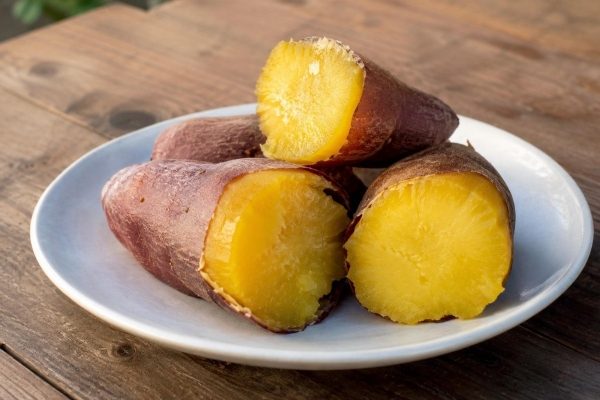
What Are the Benefits of Sweet Potatoes for Postprandial Blood Sugar?
Sweet potatoes are rich in dietary fiber.
Sweet potatoes offer advantages for post-meal blood sugar levels
The fiber, protein, and complex carbohydrate content in sweet potatoes can make them a more favorable option when managing blood sugar levels.
Fruits and vegetables contain carbohydrates, including natural sugars such as fructose and glucose. After eating, the body breaks down carbohydrates into glucose for energy, a process that directly impacts blood sugar levels.
A medium banana contains about 5.72 g of fructose and 5.88 g of glucose. In comparison, a medium sweet potato contains approximately 0.57 g of fructose and 0.65 g of glucose.
Sweet potatoes are also a rich source of complex carbohydrates. These carbohydrates take longer to digest, thereby helping prevent sharp spikes in blood sugar.
Both bananas and sweet potatoes can be included in a diet aimed at maintaining steady blood sugar. However, ripeness matters: overripe bananas affect blood sugar differently than unripe ones.
Both bananas and sweet potatoes contain resistant starch. Levels of resistant starch are higher in unripe bananas and in cooked, cooled sweet potatoes. This type of carbohydrate resists complete digestion in the small intestine.
Sweet potatoes contain more fiber and protein than bananas
Fiber and protein are both linked to satiety. Foods rich in these nutrients help promote a feeling of fullness without requiring excessive caloric intake.
A medium sweet potato provides about 3.8 g of dietary fiber, compared to approximately 3.1 g in a medium banana.
In terms of protein, a medium sweet potato provides around 2.3 g, compared to 1.3 g in a medium banana.
While the difference in fiber and protein is modest, the higher levels in sweet potatoes can still contribute to enhanced satiety.
What nutrients do bananas and sweet potatoes provide?
Both foods are nutrient-dense, yet each features distinct nutritional highlights.
Potassium: A medium baked sweet potato provides about 542 mg of potassium, while a medium banana contains around 422 mg. Potassium supports healthy blood pressure and proper fluid balance in the body.
Vitamin C: Sweet potatoes provide more vitamin C than bananas. Vitamin C supports immune function, collagen synthesis, and acts as a powerful antioxidant.
Vitamin A: Sweet potatoes, especially orange-fleshed varieties, are exceptionally rich in beta-carotene. The body converts beta-carotene into vitamin A, an essential nutrient for vision and immune health.
Folate: Bananas provide more folate than sweet potatoes. A medium banana contains about 23.6 mcg of folate, compared to roughly 6.84 mcg in a baked sweet potato.
Should you choose bananas or sweet potatoes?
Both bananas and sweet potatoes make valuable additions to a balanced diet. The ideal choice depends on individual dietary goals and culinary preferences.
If you need a quick snack, bananas are a convenient choice due to their natural sweetness and portability without preparation. When managing blood sugar, consider ripeness, cooking method, and portion size.
Sweet potatoes can be incorporated into main meals or snacks. Mashed sweet potatoes can serve as an alternative base to rice, roasted wedges make a wholesome side dish, or diced roasted sweet potatoes can be added to salads.
Both are also excellent for post-workout refueling, as each supplies carbohydrates and potassium.
For gut health, both offer fiber and resistant starch, which pass through the digestive tract and help nourish beneficial gut microbiota.
Ultimately, blood sugar control depends not merely on choosing bananas or sweet potatoes, but on portion size, ripeness, and preparation methods. Both can be enjoyed as part of a well-balanced diet in sensible amounts.