
Nutritional Composition and Applications of Garlic
When the weather changes, our bodies often experience health issues such as colds, coughs, and digestive discomfort. Turning to garlic during these times can be beneficial, as this culinary staple possesses many natural therapeutic properties.
Nutrients and the Formation of Allicin
Garlic is not only a spice that lends a distinctive aroma and flavor, but it is also regarded as a "natural remedy." Both garlic and related herbs contain antioxidant compounds and bioactive substances capable of supporting the immune system and various organ functions throughout the body.
According to food composition data from the United States Department of Agriculture (USDA), per 100g of fresh food, garlic contains higher levels of protein, carbohydrates, vitamin C, and selenium than ginger. However, nutritional content alone is not the sole factor determining its biological impact.
Garlic contains alliin—a precursor to allicin. When garlic is minced, crushed, or chewed, the enzyme alliinase converts alliin into allicin—a sulfur-containing compound responsible for its pungent aroma and widely believed to possess potent biological activity. Allicin is unstable and rapidly transforms into other secondary sulfur compounds.
Research on Garlic's Bioactivity
In vitro and animal studies indicate that these active compounds can:
Support the body's natural immune response.
Inhibit the growth of certain bacteria and viruses.
Exhibit notable antioxidant and anti-inflammatory properties...
In addition, several small-scale clinical trials have observed that using garlic preparations can shorten the duration of the common cold. Nonetheless, current scientific studies remain limited in terms of sample size and experimental design.
Recommended Ways to Use Garlic
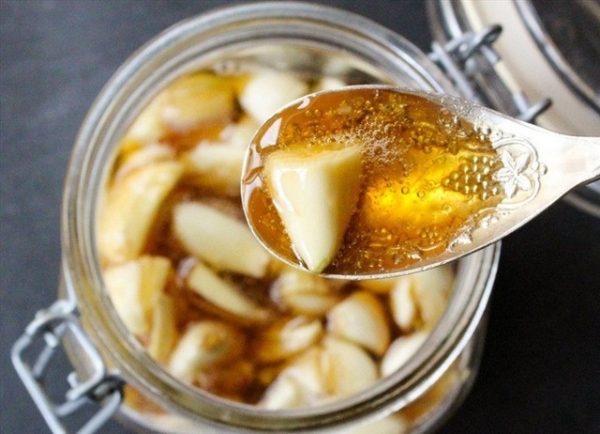
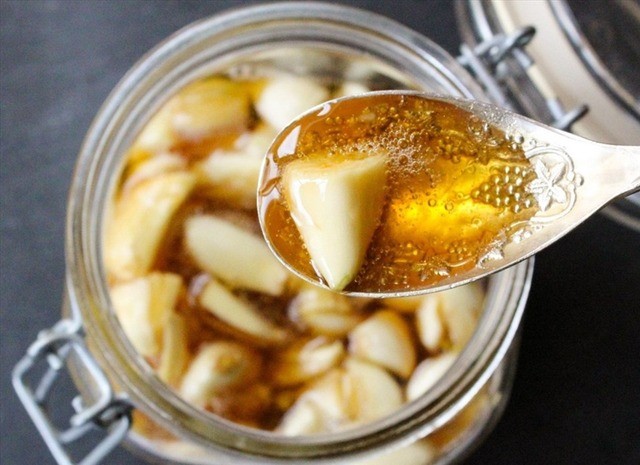
Honey and garlic for cold relief: Combining garlic with honey produces an effective remedy for colds. The antibacterial compounds in garlic work alongside the soothing qualities of honey to alleviate throat inflammation, thereby facilitating a quicker recovery.
Immune support with garlic tea: Garlic tea helps boost the immune defense during seasonal shifts. Simply crush a few garlic cloves, steep them in hot water, and sip warm. You can add a little honey and lemon juice to soothe the throat and enhance the tea's natural antibacterial benefits.
Incorporating garlic into everyday cooking: When stir-frying vegetables, adding crushed garlic imparts a wonderful aroma and deep flavor to the dish. In culinary practice, the rich sulfur compounds in garlic have long been recognized for supporting respiratory health, especially during periods of changing weather.