
Natural sources of Vitamin B6 without supplements
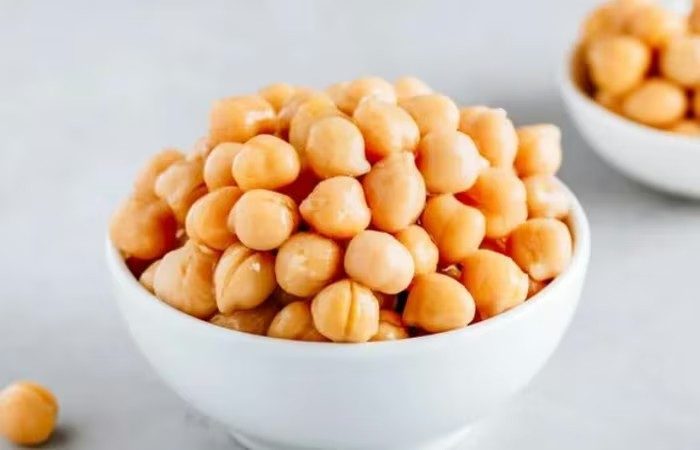
Chickpeas are rich in vitamin B6.1. The role of vitamin B6 in health
Vitamin B6 (pyridoxine) is a water-soluble vitamin involved in more than 100 enzyme reactions in the body. This is an essential micronutrient directly related to the metabolism of proteins, fats, and carbohydrates, while contributing to the maintenance of neurological and immune functions.
Some important roles of vitamin B6 include:
Supporting the production of neurotransmitters (serotonin, dopamine).
Participating in red blood cell formation, preventing anemia.
Strengthening immune function.
Supporting homocysteine control, reducing cardiovascular risk...
According to nutritional recommendations, adults aged 1-50 need about 1.3 mg of vitamin B6 per day; the requirement increases for those over 50 (1.5 - 1.7 mg/day depending on gender). In most cases, this need can be met through a diverse diet, not necessarily requiring supplements unless medically indicated.
2. Why prioritize food over supplements?
Supplementing vitamins through food brings many benefits:
Natural absorption, low risk of overdose.
Simultaneously providing many other micronutrients such as fiber, minerals, and antioxidants.
Reducing the risk of side effects compared to long-term high-dose supplementation...
Conversely, abusing vitamin B6 supplements can cause peripheral nerve damage if high doses are taken for a long time.
3. Natural sources of vitamin B6
3.1. Chickpeas for vitamin B6 supplementation
A 1/2 cup serving of chickpeas provides about 0.55 mg of vitamin B6. This is a plant-based source rich in protein, fiber, iron, zinc, and magnesium. Chickpeas can be processed flexibly such as in salads, soups, or roasted crunchy. For vegetarians, this is a suitable choice to supplement micronutrients.
Chickpeas are rich in vitamin B6.
3.2. Salmon
An 85g serving of salmon provides about 0.6 mg of vitamin B6. Additionally, salmon is rich in omega-3 fatty acids, which are beneficial for the heart, brain, and vision; it is preferable to prepare salmon by steaming, grilling, or pan-searing with little oil to preserve nutritional value.
3.3. Fortified breakfast cereals
Many breakfast cereals are fortified with vitamin B6, providing about 0.4 mg per serving. However, consumers need to read nutrition labels carefully to choose products that are low in sugar, low in sodium, and fortified with micronutrients. They can be combined with milk and fruit to increase nutritional value.
3.4. Potatoes
One cup of boiled potatoes provides about 0.4 mg of vitamin B6, along with potassium, vitamin C, and fiber. Note that you should eat the skin (if hygiene is ensured) to maximize nutrition. Letting potatoes cool after cooking can help reduce the impact on blood sugar.
3.5. Poultry
About 85g of chicken breast provides nearly 0.5 mg of vitamin B6. Additionally, poultry also contains iron, zinc, and selenium. This is an easy-to-prepare food, suitable for daily meals such as boiled, steamed, grilled, or in soups.
3.6. Bananas
A medium-sized banana provides about 0.4 mg of vitamin B6. Bananas also contain potassium, vitamin C, and antioxidants. This is a suitable choice for a snack, before or after a workout. Bananas can also be used in smoothies or eaten with cereal.
3.7. Tomato sauce
One cup of tomato sauce can provide about 0.4 mg of vitamin B6. Additionally, tomatoes contain lycopene – an antioxidant beneficial for the heart. Priority should be given to low-salt products or home-prepared ones to control ingredients.
3.8. Ground beef
About 85g of ground beef provides 0.3 mg of vitamin B6, while being rich in iron, zinc, and vitamin B12; lean meat should be chosen to limit saturated fat, suitable for people at risk of cardiovascular disease.
4. Notes when supplementing vitamin B6
To ensure effectiveness and safety, keep in mind:
Maintain a diverse diet, balanced between animal and plant sources.
Limit processed foods high in salt and sugar.
Do not arbitrarily use high-dose supplements without a prescription.
People with chronic medical conditions or those taking medication should consult a doctor...
Some groups at risk of vitamin B6 deficiency include: the elderly, pregnant women, people with alcohol addiction, people with kidney disease or absorption disorders.
Vitamin B6 is an essential micronutrient but can be fully supplied through the daily diet. Prioritizing natural foods not only ensures vitamin B6 requirements but also brings overall health benefits. Instead of depending on supplements, building a diverse diet with foods like salmon, chickpeas, bananas, or poultry is a sustainable, safe solution suitable for most people.