
Choosing Healthy Cooking Oils: 8 to Use and 3 to Limit
Fat plays an essential role in cell development and is a mandatory solvent for the body to absorb fat-soluble vitamins such as A, D, E, K, and beta-carotene. For a 2,000-calorie diet, you should limit oil intake to about 27g (equivalent to 6 teaspoons) per day. In particular, prioritize replacing saturated fats with oils rich in monounsaturated and polyunsaturated fats to protect cardiovascular health.
Refer to the oils you should choose and those you should limit below:
8 Best Cooking Oils for Health

Olive oil is good for heart health.
Olive Oil
Extra virgin olive oil is a "superfood" for the heart thanks to containing more than 30 phenolic compounds and oleocanthal, a natural anti-inflammatory substance with a characteristic pungent taste. With abundant monounsaturated fat content, this oil helps significantly reduce bad cholesterol (LDL) and the risk of death from heart disease.
You should use olive oil to drizzle over salads, bread, or use in stir-fries and baked goods. However, due to its low smoke point, avoid using this oil for deep-frying to ensure health safety.
Canola Oil
Canola oil is an economical choice with an ideal fat structure: only 1g of saturated fat but containing up to 9g of monounsaturated fat and 4g of polyunsaturated fat per tablespoon. Thanks to its neutral flavor and high smoke point, this oil is very suitable for frying and grilling at high temperatures.
Regarding concerns about hexane solvent during the extraction process, even though residual amounts in the final product are very low, you can still choose cold-pressed oil to ensure safety while retaining full health benefits.
Flaxseed Oil
Flaxseed oil is an abundant source of alpha-linolenic acid (ALA) - an essential omega-3 that the body cannot synthesize itself. Not only helping to reduce inflammation, the omega-3 and omega-6 in this oil are also directly related to lowering blood pressure and protecting the heart.
Because the fat bonds are very sensitive to heat, flaxseed oil should absolutely not be heated to avoid altering nutrients. Instead, use it for salad dressings, smoothies, or add to food after it has been cooked to absorb the best benefits.
Avocado Oil
Avocado oil is an abundant source of monounsaturated fats, maintaining stable nutritional value at both low and high temperatures. With a neutral flavor, this is an ideal choice for cooking, baking, and salad dressings.
However, due to the prevalence of fake and low-quality oil on the market, you should prioritize brands that have been verified for purity to ensure safety and quality.
Walnut Oil
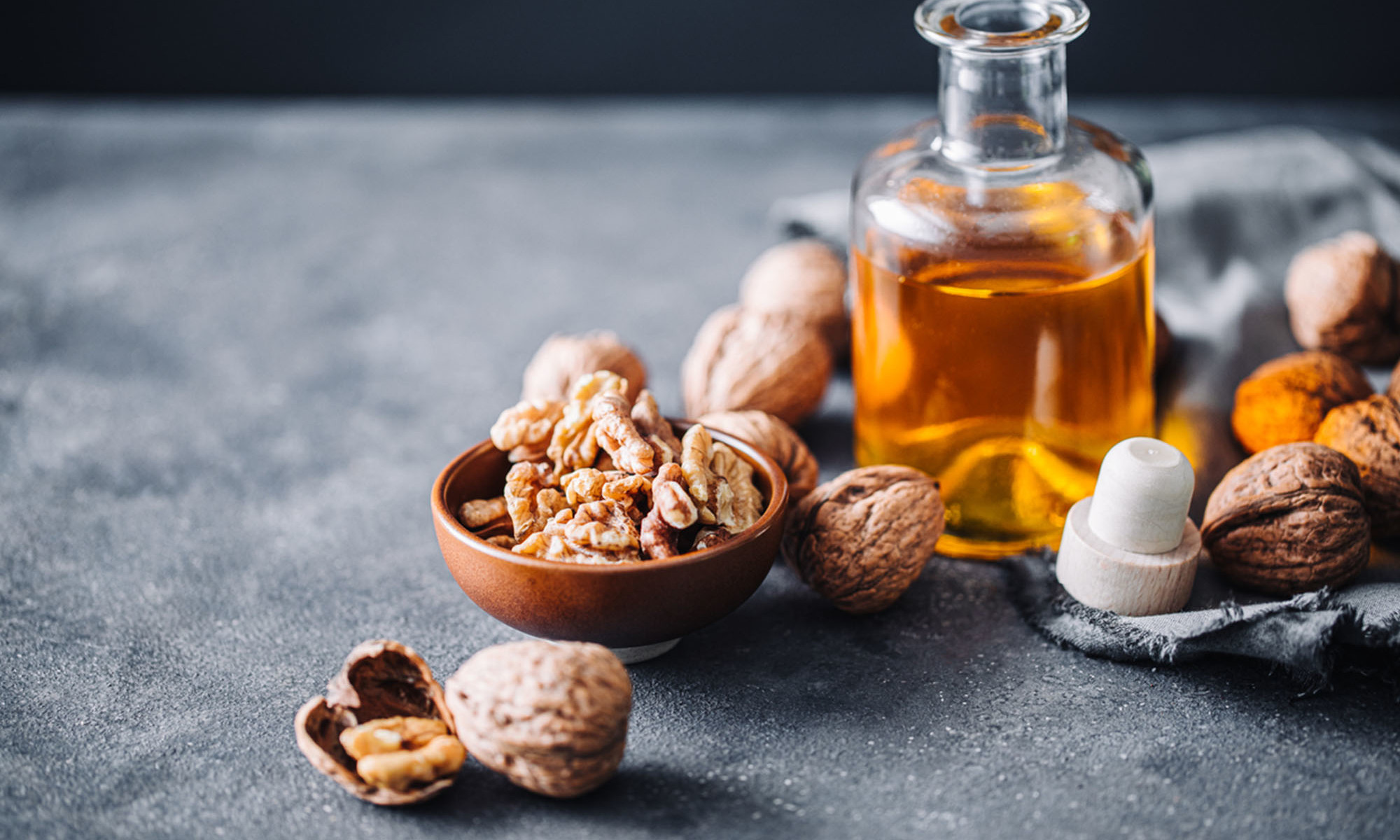
Walnut oil is a healthy choice and a good source of omega-3 fatty acids.
Walnut oil is a rich source of omega-3 (ALA), providing dual benefits: protecting the heart and helping to prevent diabetes. In particular, the high omega-3 content in the oil also helps enhance cognitive function and maintain brain sharpness in middle age.
Due to its characteristic nutty flavor but very low smoke point, absolutely do not use this oil for stir-frying. The best way to use it is to drizzle over salads, cooked dishes, and it must be stored in the refrigerator to avoid oxidation (rancidity).
Sesame Oil
Sesame oil is also a type of polyunsaturated fat. Sesame oil is known for its anti-inflammatory and antioxidant properties, potentially helping to reduce the risk of cardiovascular disease and atherosclerosis, or the buildup of fat and other substances in the arterial walls causing these blood vessels to narrow, increasing blood pressure.
Sesame oil has a high smoke point, making it suitable for high-heat cooking like stir-frying, but it also has a quite strong flavor.
Grapeseed Oil
Like flaxseed oil, grapeseed oil contains omega-6 polyunsaturated fatty acids, especially linoleic acid. Grapeseed oil also contains vitamin E, which acts as an antioxidant to help fight free radicals and is an important vitamin supporting the immune system.
Grapeseed oil has a low saturated fat content and a high smoke point, which makes it a healthy choice for all types of cooking. Its nutty but mild flavor is very suitable for use in salad dressings or drizzled over roasted vegetables.
Sunflower Oil
Sunflower oil is high in unsaturated fats and low in saturated fats. Research shows that choosing cold-pressed sunflower oil can help you maximize its vitamin E content.
High-oleic sunflower oil in particular is extracted from sunflowers bred to contain more oleic acid, an omega-9 fatty acid that can be beneficial for heart health. It is particularly good for high-temperature cooking and frying.
3 Oils to Limit or Avoid
Coconut Oil
Coconut oil contains more than 80% saturated fat, but it is primarily medium-chain triglycerides (MCTs) - a type of fat the body prioritizes burning for energy rather than storing as fat. Research shows that coconut oil's impact on "bad" LDL cholesterol is lower than butter but still higher than other vegetable oils; however, the direct link between it and cardiovascular disease remains unclear.
Therefore, coconut oil should be used in moderation, considered a small part of a healthy diet rather than a primary fat source, to ensure that saturated fat limits are not exceeded.
Partially hydrogenated oils
Partially hydrogenated oil is an artificial trans fat, created to solidify vegetable oils. This is a "double toxic" type of fat because it both increases bad cholesterol (LDL) and decreases good cholesterol (HDL), leading to a high risk of cardiovascular disease and stroke.
Although the U.S. Food and Drug Administration (FDA) has declared this type of oil unsafe, manufacturers can still label products as "0 g Trans fat" if the content is below 0.5g per serving. To protect yourself, you should carefully check the ingredients list and limit processed foods to avoid the accumulation of these small amounts of harmful fats.
Palm oil
Palm oil has a nearly equal ratio of saturated and unsaturated fats. Due to its semi-solid properties and lack of trans fats, it is often used as a substitute for hydrogenated oils in processed foods. Although lower in saturated fat than butter, palm oil is still not the optimal choice for daily cooking.
In particular, because people with diabetes are at a higher risk of cardiovascular disease, the American Diabetes Association recommends strict control and limitation of oils high in saturated fats, such as palm oil, to protect long-term health.
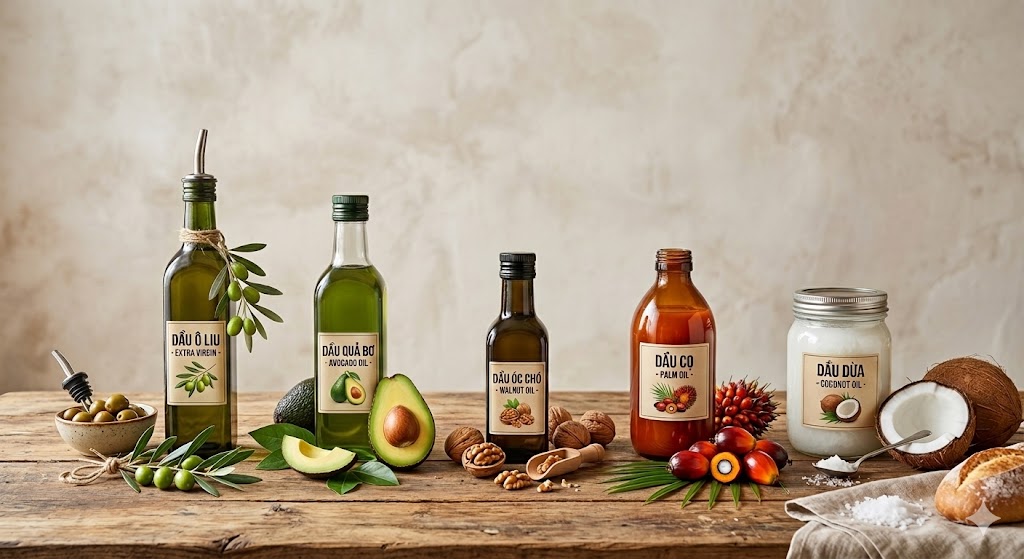
Prioritize using cooking oils rich in unsaturated fats and limit oils high in saturated fats. AI illustration
To protect cardiovascular health, experts recommend prioritizing the use of oils rich in unsaturated fats such as olive oil, canola oil, and flaxseed oil. For groups high in saturated fats like coconut oil and palm oil, you should only use them in small amounts and prioritize sustainably sourced products.
In particular, be absolutely cautious of trans fats and partially hydrogenated oils. Although banned in the United States and many other countries, these toxic fats can still exist in small amounts in ultra-processed foods, posing a silent risk to the cardiovascular system.