
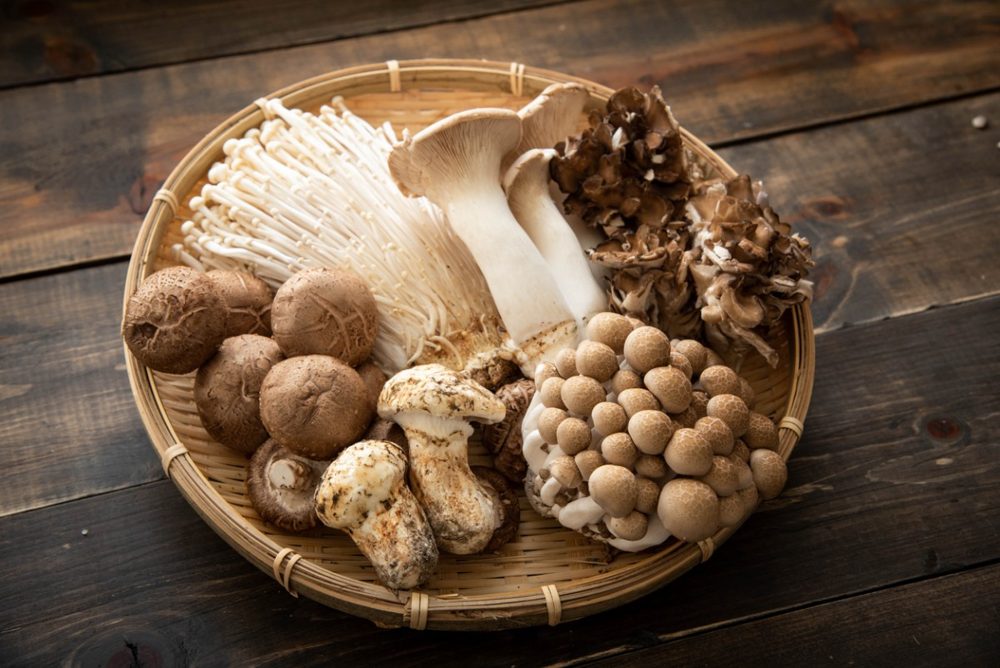
Benefits of eating mushrooms regularly
Edible mushrooms provide protein and many valuable nutrients for health.
1. Nutrition of mushrooms
Mushrooms are a preferred meat alternative for many people. Depending on the cooking process, mushrooms can have a rich texture, often described as meaty. For this reason, many people looking for meat substitutes often turn to mushrooms to provide nutrients and richness to their dishes.
Mushrooms also provide complete protein. Most mushrooms offer complete protein, containing all the essential amino acids (the building blocks of protein) that the body needs. Mushrooms contain no fat but have a high content of important fatty acids, are low in calories and sugar while being a good source of fiber. Additionally, mushrooms contain vitamins and minerals such as: vitamins A, B1, B2, B12, C, D, E, iron, calcium, sodium, potassium...
Since mushrooms contain all the essential amino acids the body needs, they are an excellent food to replace meat or a way to add extra protein to the diet. Eating mushrooms is a healthy way to consume protein and other beneficial nutrients without adding excessive calories or cholesterol.
2. Some benefits received from consuming mushrooms
According to MSc. Trần Đông Anh, a lecturer at the Faculty of Biotechnology, Vietnam National University of Agriculture, mushrooms are considered an ingredient in many delicious dishes globally; particularly because of their unique flavor and have been regarded by humanity as a culinary wonder. Over 2,000 species of mushrooms exist in nature, but about 25 species are widely accepted as food and a few are grown commercially. Mushrooms are considered a delicacy with high nutritional and functional value, and they are also regarded as nutraceuticals.
2.1. Mushrooms contain anti-inflammatory substances
Inflammation is part of the development process of various diseases, including heart disease, arthritis, autoimmune disorders, and cancer. Mushrooms have been shown to have anti-inflammatory effects, reducing the risk and severity of inflammatory diseases.
Mushrooms have several different bioactive metabolites, which are substances produced during the digestion of mushrooms. These bioactive metabolites are responsible for the anti-inflammatory effects.
2.2. Provide antioxidants
Mushrooms also provide natural antioxidants. Antioxidants are chemicals that inactivate free radicals, which are unstable molecules produced during cellular processes that can harm the body in various ways.
Free radicals, produced in larger quantities when the body is under stress or exposed to unhealthy foods and chemicals, can contribute to cancer, heart disease, liver disease... Several different components and by-products of mushrooms have antioxidant effects on the body.
2.3. Promote cholesterol reduction
High levels of cholesterol and fat can harm the body, contributing to heart disease, stroke, and vascular disease. Including mushrooms in a diet has been shown to have the effect of lowering cholesterol and lipid (fat) levels.
Chemical components found in different types of mushrooms can bind to fat and cholesterol to remove them from the body, while enzymes produced by mushrooms can reduce blood cholesterol levels by breaking down unhealthy fats.
2.4. Enhance gut health
Mushrooms contain fiber and beta-glucans, both of which are beneficial for gut health. These components help promote digestion and can also help prevent constipation...
2.5. Reduce cancer risk
Mushroom consumption is associated with a lower overall cancer risk. Because different types of cancer have different causes, it is currently unclear exactly why mushrooms are linked to a lower risk of many different types of cancer. It may be due to their anti-inflammatory effects and antioxidant properties.
2.6. Lower blood pressure
Hypertension (high blood pressure) is a common health problem. Mushrooms are considered a blood pressure-lowering food in the diet because they contain many compounds that reduce blood pressure such as ergosterol, polyphenols, terpenes, terpenoids, polysaccharides, and proteins.
2.7. Antiviral and antibacterial
Research has shown that mushrooms can enhance the immune system and exhibit antibacterial properties that help protect against many types of infectious organisms. Research suggests that some of these antibacterial effects come from the nutrients mushrooms provide. It also suggests that mushrooms contain chemicals that can inhibit the growth of microorganisms.
2.8. Safe for diabetes
Controlling blood sugar when having diabetes, such as managing the diet and foods consumed, is very important. Mushrooms are very low in glucose and other sugars, therefore they are a healthy food that helps one feel full longer without rapidly increasing blood sugar levels.
Furthermore, research shows that mushrooms can lower blood sugar levels and may increase insulin production for some people. Insulin is a hormone that moves blood sugar into cells, where it is used for energy.
Mushroom dish cooked with soy sauce.
3. Side effects of mushrooms and precautions
Bloating: Some people experience bloating after eating mushrooms, possibly due to mannitol, a natural sugar alcohol found in some mushrooms. Mushrooms are also high in fiber, which can cause bloating if intake is increased too quickly.
Poisoning: Mushrooms can contain harmful bacteria due to storage, transportation, etc. For example, there have been cases of salmonella poisoning from mushrooms. The best way to avoid these potential hazards is to ensure you buy mushrooms from a reliable source or eat mushrooms at a reputable restaurant, and do not eat mushrooms that show signs of spoilage.
In addition, ensure that all types of mushrooms are stored and processed at the recommended temperatures; do not store them longer than advised. Ensure food hygiene by following safety precautions.
Do not eat wild mushrooms: Gathering, preparing, and consuming wild mushrooms is especially dangerous as they can be poisonous. Poisonous mushrooms, which are not easy to distinguish from non-toxic ones, can damage the heart, liver, and kidneys, and pose a risk of death.