
Non-sweet foods that cause blood sugar spikes
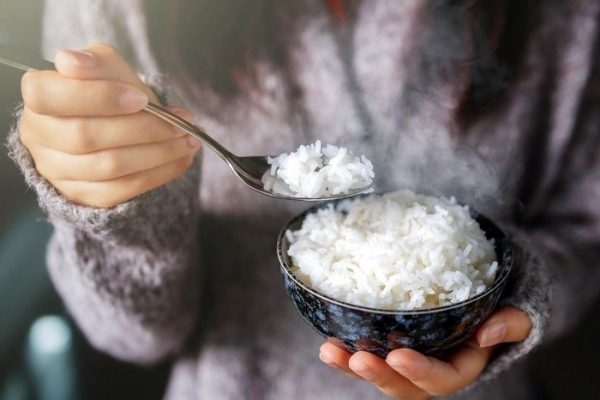
Eating a lot of white rice can increase the risk of blood sugar spikes. Photo:
Shutterstock.When it comes to foods that cause blood sugar spikes, many people only think of pastries or sweets. However, many foods that do not taste sweet can still rapidly elevate blood sugar, sometimes even more sharply than refined sugar.
The key lies in the Glycemic Index (GI), which reflects how quickly a food raises blood glucose. Foods rich in refined or easily digestible carbohydrates usually have a high GI and cause blood sugar to "spike."
White rice
According to The Times of India, rice is a staple in everyday meals, but if you want to include it in your diet, you need to make sure you are eating the right kind. According to Harvard Medical School, white rice is so heavily processed that its nutritional value is equivalent to eating "pure table sugar." That is not good for anyone's health—especially those living with diabetes.
This food is particularly concerning for pregnant women. During pregnancy, insulin sensitivity tends to decrease; therefore, just one bowl of white rice can cause blood sugar to rise faster than usual, increasing the risk of gestational diabetes and impacting fetal development.
For young children, consuming large amounts of refined carbohydrates without accompanying fiber and protein can cause blood sugar to spike and crash abruptly, leading to quick hunger pangs, frequent snacking, and an increased long-term risk of overweight.
Refined grains
Similar to white rice, white bread or noodles made from refined flour have virtually no sweet taste, yet they are among the leading culprits behind blood sugar spikes. This food group has a high GI, causing blood glucose to rise rapidly after eating.
In addition, research from Stanford University shows that many individuals experience significant blood sugar spikes after consuming these foods, even when healthy. This is likely because refined starches are rapidly broken down into glucose.
The American Diabetes Association (ADA) recommends replacing them with whole grains. Foods like barley, whole-wheat bread, and whole-wheat pasta not only provide essential fiber, minerals, and vitamins such as B and E, but they are also low-glycemic index (low-GI) foods. Low-GI foods are digested more slowly and are less likely to cause sudden spikes in blood sugar levels.
Instant noodles, breakfast cereals, and ultra-processed foods
Processed foods such as instant noodles, savory crackers, and chips are usually not sweet but still trigger blood sugar increases. These foods contain refined carbohydrates and easily absorbed starches, causing blood sugar to rise quickly just like sweets. Furthermore, they may contain "hidden sugars" and lack fiber.
Many breakfast cereals do not taste overly sweet yet carry a high GI. Nutrition experts warn that processed cereals and commercial bread can easily spike blood sugar due to heavy processing.
According to the UK National Health Service (NHS), consuming large amounts of these processed foods during pregnancy not only causes blood sugar fluctuations but also supplies few essential nutrients for the fetus. Meanwhile, young children who eat too much of them are prone to nutrient deficiencies while developing a palate biased toward industrial processed foods.
Making the wrong food choices can cause blood sugar spikes, adversely affecting people with diabetes. Photo: Freepik.
Potatoes (especially fried or mashed)
Potatoes are not sweet, yet they have the potential to raise blood sugar very rapidly. According to Verywell Health, potatoes have a high GI, especially when fried or mashed, leading to sharp post-meal blood sugar increases.
French fries in particular are very popular among young children. However, excessive consumption in mashed or fried form means the body absorbs them rapidly, easily leading to excess caloric intake and fostering a starch-heavy eating habit. This increases metabolic disturbances, contributing to the risk of obesity and future blood sugar problems.
Fruit juice (unsweetened), plant-based milk
According to Hindustan Times, while it may sound healthy, fruit juice is one of the foods that raises blood sugar the fastest. Juicing strips away dietary fiber—the key component that slows sugar absorption—so the body absorbs glucose very quickly. Therefore, juice without added sugar can still cause a steep blood sugar spike.
Certain plant-based milks, especially oat milk, can also raise blood sugar quickly. The reason is that the starch in oats is processed into an easily digestible form, which quickly converts into blood glucose.
Canned foods
Canned foods often contain excess sodium and preservatives. Many cans are lined with bisphenol A (BPA), a chemical linked to endocrine disruption. Exposure to BPA can negatively impact insulin sensitivity and increase cardiovascular risks in people with diabetes.
High-sodium foods
Foods like pickles, cured meats, and salted fish contain very high amounts of salt. When the body consumes too much salt, blood pressure rises, and blood glucose levels can also increase; long-term high consumption elevates the risk of diabetes. Therefore, everyone should keep their daily salt intake in check.