
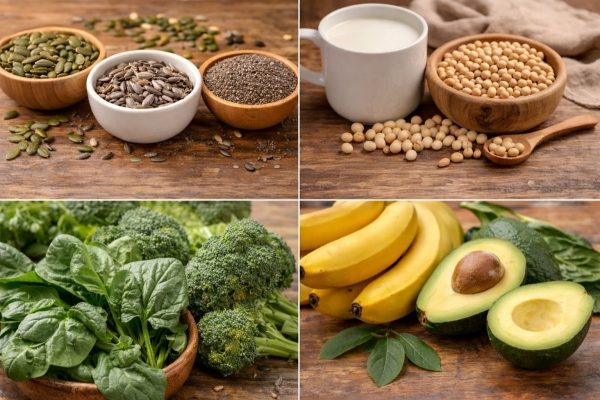
Natural magnesium-rich foods to help regulate blood pressure
1. How does magnesium help reduce stress and regulate blood pressure?
Magnesium is known as the "relaxation mineral" because it has the ability to regulate stress and help stabilize blood pressure.
Magnesium helps regulate blood pressure by relaxing blood vessels and inhibiting calcium channels to reduce blood pressure, helping the heart pump more rhythmically. At the same time, it reduces stress by inhibiting stress hormones (such as cortisol) and enhancing neurotransmitter activity that helps calm the brain. This mineral also helps the body regulate the production of melatonin, the main hormone that regulates the sleep cycle.
According to Assoc. Prof. Dr. Nguyễn Thị Lâm, former Deputy Director of the National Institute of Nutrition, magnesium is a macro-mineral that plays a very important role in many metabolic processes in the body. Magnesium can replace calcium in transport and the process of bone mineralization, integrating minerals, and shaping the activity of hormones.
Magnesium also plays a very important role in many binding functions, including DNA replication and protein synthesis. Magnesium helps blood vessels stay flexible, thereby lowering blood pressure. Magnesium also helps prevent excess calcium in the body, protecting arteries from hardening due to calcium overload. Magnesium supplementation can help reduce stress and anxiety.
To supplement magnesium safely and effectively, nutrition experts recommend that we increase magnesium-rich foods in our diet. Magnesium is abundant in natural foods including: whole grains, fruits, legumes, dark green leafy vegetables, and seeds...
2. List of natural magnesium-rich foods
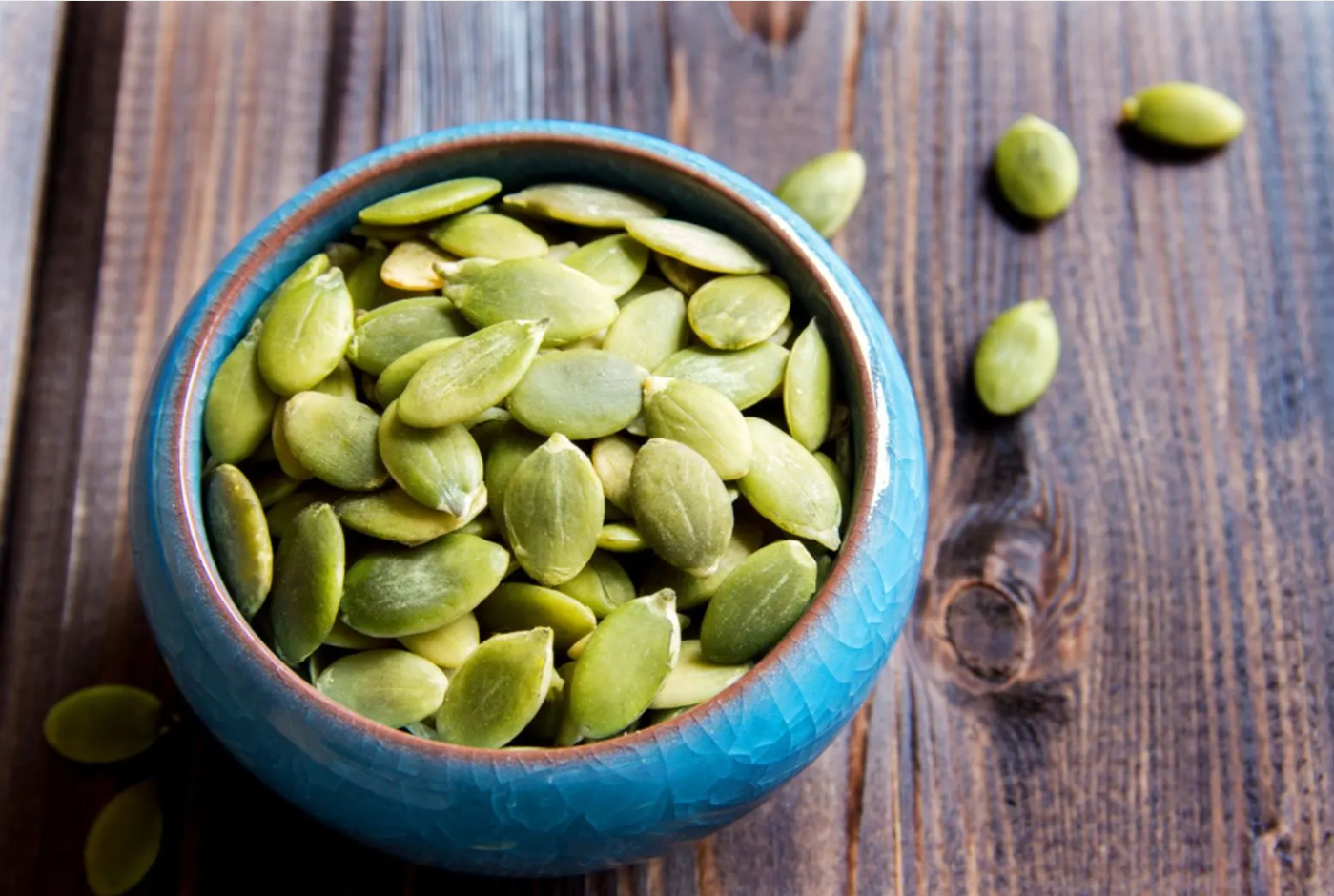
Seeds are an abundant source of magnesium
These seeds are small but are an abundant source of magnesium. Just one serving provides a significant portion of the daily required magnesium intake. Below is the magnesium content and the percentage of daily value (DV) in one serving (about 38 g) of 3 types of seeds:
-
Pumpkin seeds: 156 mg (37% DV)
-
Sunflower seeds: 37 mg (9% DV)
-
Chia seeds: 111 mg (26% DV)
-
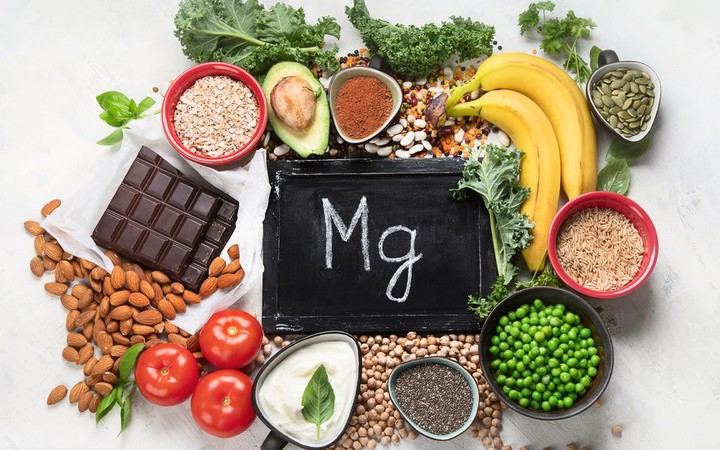
Nuts
Adding nuts to the diet will help boost magnesium. The magnesium content in one serving (28 g) from 3 good sources includes:
-
Almonds: 80 mg (19% DV)
-
Cashews: 74 mg (18% DV)
-
Peanuts: 51 mg (12% DV)
Soy products
Soybeans contain many nutrients including magnesium. Below is the magnesium content in various soy products:
-
Soy milk (01 cup): 61 mg (15% DV)
-
Soybeans (28g): 41 mg (10% DV)
-
Edamame (1/2 cup cooked): 50 mg (12% DV)
Soy is also one of the few plant sources that provide high-quality protein, meaning it contains all the essential amino acids the body needs. Other nutrients in soy include folate, calcium, potassium, and zinc.
Whole grains
Whole grains provide fiber, B vitamins, and important magnesium. You should supplement magnesium in your daily menu from these whole grains:
-
Quinoa (01 cup cooked): 118 mg (28% DV)
-
Brown rice (01 cup cooked): 86 mg (20% DV)
-
Whole wheat bread (01 slice): 23 mg (5% DV)
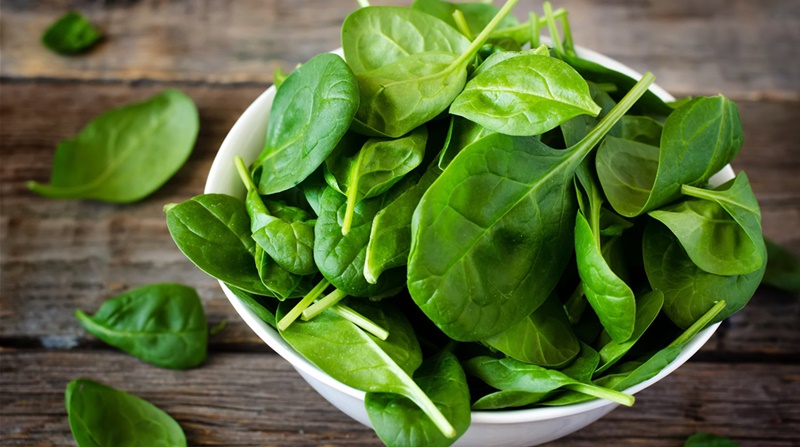
Spinach contains a lot of magnesium.
Leafy green vegetables, especially spinach
Leafy green vegetables such as spinach, kale, cabbage, watercress, bok choy... are also rich in magnesium. The magnesium content can vary between raw and cooked vegetables.
-
Kale (01 cup raw): 5 mg (1% DV)
-
Spinach (01 cup raw): 24 mg (6% DV)
-
Spinach (1/2 cup cooked): 78 mg (19% DV)
Magnesium-rich fruits
-
Banana (01 medium fruit): 32 mg (8% DV)
-
Raisins (1/2 cup): 23 mg (5% DV)
-
Avocado (1/2 cup): 22 mg (5% DV)