
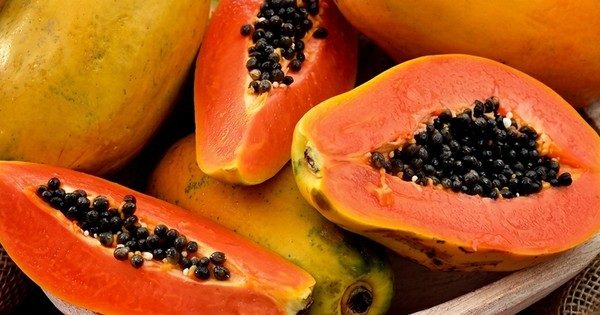
Fruits that help improve gut microbiota and effectively reduce inflammation
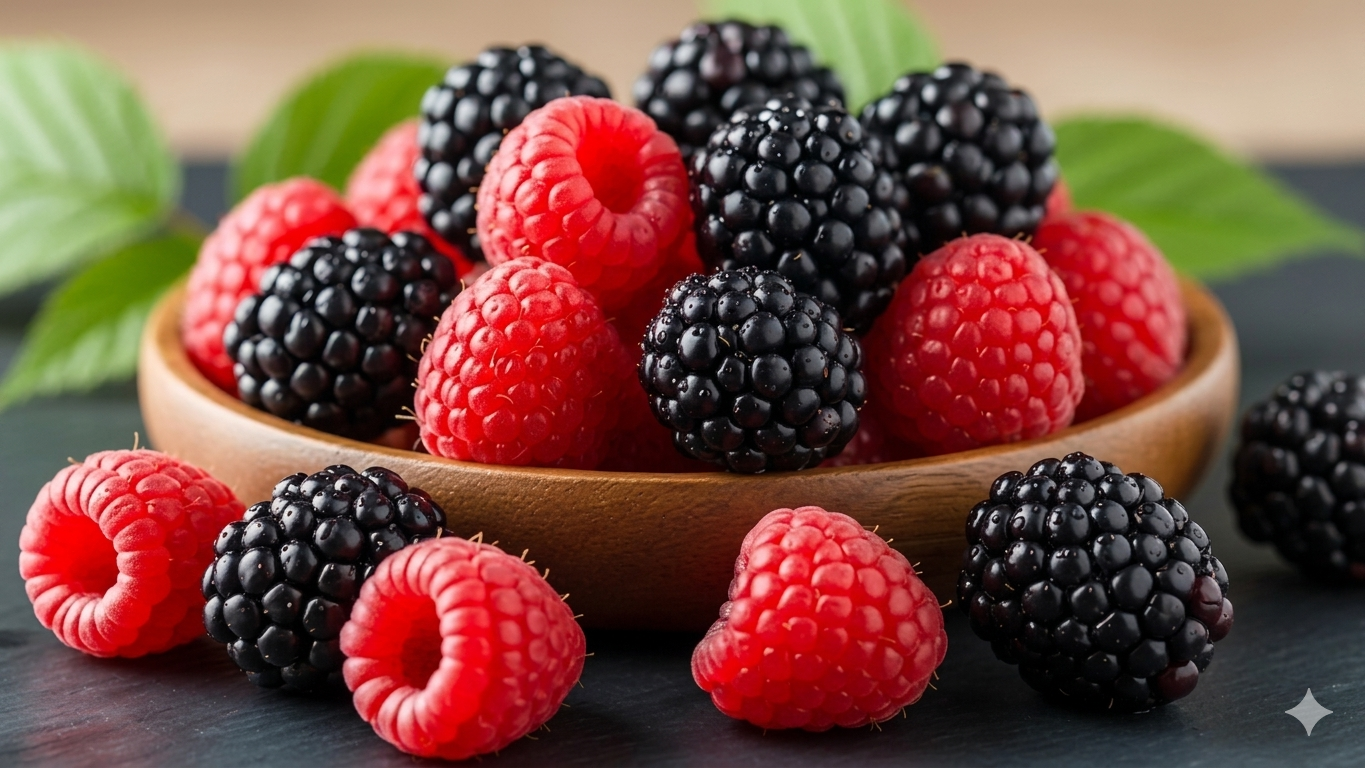
Raspberries are good for gut health thanks to their high fiber content and polyphenol antioxidants.
Gut health depends heavily on fiber and antioxidant content. Specifically, soluble fiber helps nourish beneficial bacteria and softens stool, while insoluble fiber supports regular bowel movements, reducing the risk of colon cancer and constipation.
In addition, active compounds like polyphenols help enhance microbial diversity, protect the intestinal lining, and effectively reduce oxidative stress.
1. Some fruits that help boost gut health
Raspberries
Red raspberries and blackberries stand out for their high fiber content, providing about 8 grams (g), equivalent to 27% of the recommended daily fiber intake per cup serving.
Raspberries contain both soluble and insoluble fiber. Soluble fiber serves as a food source for beneficial bacteria in the digestive tract. When gut bacteria break down soluble fiber, they produce short-chain fatty acids, which help protect and support overall gut health by reducing inflammation, strengthening the gut lining, and supporting healthy immune function. Insoluble fiber adds bulk to the stool, helping to maintain regular bowel movements.
Raspberries also contain polyphenol antioxidants, which can reduce inflammation in the gut and positively impact gut bacteria.
Kiwi
Kiwi fruit is often used as a home remedy for constipation. A 2023 study showed that eating two kiwis a day for four weeks significantly improved indigestion and stool frequency in people with chronic constipation.
Kiwi is rich in fiber, providing about 2.5 g per fruit. The fiber in kiwi is particularly good at absorbing and retaining water, helping to soften stool and make bowel movements easier. Kiwi also contains natural compounds called raphides that can support a more comfortable and regular digestive system.
Papaya
Papaya contains a proteolytic enzyme called papain. Proteolytic enzymes are produced by the body to break down dietary proteins, such as meat and fish, into amino acids so they can be properly absorbed and digested. Studies show that concentrated papaya products can be effective in reducing digestive symptoms, such as bloating and discomfort in some people.
Papaya is also rich in fiber and protective antioxidants like vitamin C and carotenoids, which can help reduce intestinal inflammation.
Avocado
One avocado weighing about 200 g provides 13.5 g of fiber, meeting nearly half of the daily fiber requirement. Avocados have high levels of soluble and insoluble fiber, making them effective in promoting regularity and overall gut health.
Eating avocados can also help promote the growth of beneficial bacteria in the gut and increase the production of metabolites created by bacteria after fermentation in the large intestine.
Ripe Bananas

Ripe bananas help the gut microbiota grow healthily and stabilize bowel movements.
Ripe bananas are an important source of potassium and fiber. Ripe bananas contain a certain amount of resistant starch (especially when just ripe), acting as a prebiotic – food for beneficial bacteria, helping the gut microbiota develop healthily and stabilizing bowel movements.
Apples
Apples are an abundant source of soluble fiber, supporting the growth of beneficial bacteria in the colon, while providing polyphenols and vitamin C, which help protect against cell damage.
Higher apple consumption is associated with improved gut health and a reduced risk of colorectal cancer, one of the most common types of cancer worldwide.
Pears
Pears are an excellent source of gut-boosting fiber, with one 230-gram pear containing 7.1 g of fiber, equivalent to 25.3% of your daily requirement.
In addition to providing soluble and insoluble fiber, pears also contain sorbitol, a sugar alcohol that acts as a natural laxative by drawing water into the stool, making it easier to pass. This makes pears a good choice for people who frequently suffer from constipation.
2. How to eat fruit for better gut health
If your current diet is low in fruit, try these tips to increase your fruit intake for better gut health:
Portion size: While energy and macronutrient needs can change depending on energy requirements, glycemic control, and other factors, the American Heart Association (AHA) recommends aiming to consume 2 cups of fruit per day.
Fresh vs. Frozen: You can enjoy both fresh and frozen fruits. In fact, studies show that frozen fruit is just as nutritious as fresh fruit and may even contain higher levels of certain nutrients, such as vitamins C and E.
Pair with protein: Pairing fruit with a protein source, such as yogurt, cottage cheese, or nut butter, can create a balanced snack that slows down digestion, keeps you fuller for longer, and supports better blood sugar control.
Regularly eating a variety of gut-friendly fruits can support overall gut health by nourishing beneficial bacteria, reducing inflammation, and promoting regular bowel movements.
To maximize the gut health benefits of fruits, it is best to eat them whole rather than just drinking fruit juice in order to retain all the fiber. At the same time, make sure to drink 1.5 to 2 liters of water daily to help fiber move smoothly through your digestive system.