
Changes to Help Manage Cholesterol in 30 Days
Can Cholesterol Be Lowered in 30 Days?
Cholesterol levels can begin to shift within a few weeks when patients strictly follow lifestyle modifications and, when prescribed, take cholesterol-lowering medications.
With statins, blood lipid profiles can improve relatively quickly after starting treatment. However, the response varies from person to person and must be evaluated through blood lipid tests as directed by a physician. You should not independently increase, decrease, or discontinue your medication simply because your cholesterol has dropped.
Alongside medication, lifestyle modifications continue to play a crucial role in long-term cholesterol management. A heart-healthy diet, regular physical activity, smoking cessation, weight control, and limiting alcohol intake can all contribute to improving blood lipid status.
Which Changes Should You Focus on During the First 30 Days?
Adopt a Heart-Healthy Diet
One of the most essential ways to improve cholesterol is by adjusting your diet. Accordingly, you should reduce your intake of saturated fats, which are commonly found in red meat and full-fat dairy products. Saturated fats can increase LDL cholesterol in the blood.
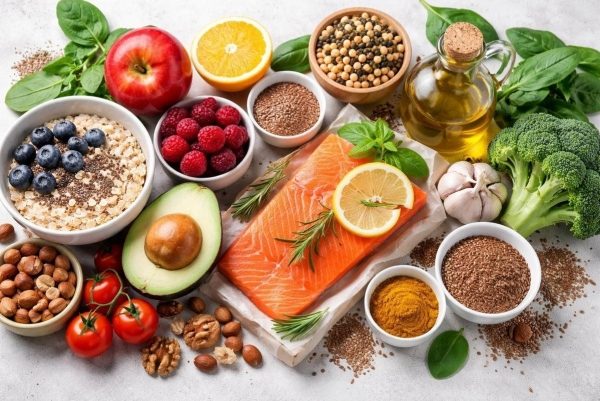
At the same time, limit or avoid trans fats, which frequently appear as partially hydrogenated vegetable oils in certain processed foods. These fats are harmful to cardiovascular health. Instead, choose sources of unsaturated fats from plant-based foods such as olive oil, seeds, tree nuts, and avocados.
The Mediterranean and DASH diets are highlighted as dietary patterns rich in fiber and unsaturated fats, well-aligned with the goal of building a heart-healthy diet.
A balanced diet featuring oats, avocados, salmon, and olive oil forms the cornerstone of effectively supporting and managing blood lipids.
Increase Fiber-Rich Foods
Several foods rich in soluble fiber can be incorporated into your diet, such as oats, Brussels sprouts, beans, pears, apples, and whole grains. You can integrate these foods into daily meals rather than focusing solely on a single item in the hope of rapidly lowering cholesterol.
Additionally, fatty fish such as herring, salmon, and mackerel, alongside nuts and seeds like walnuts and flaxseeds, supply omega-3 fatty acids, making them suitable choices for a cardiovascular-focused diet.
Maintain Regular Physical Activity
Regular physical activity can help improve lipid profiles while supporting weight management. The recommended target is around 150 minutes of moderate-intensity physical activity per week, such as brisk walking for 30 minutes a day, 5 days a week. Another option is 75 minutes of vigorous-intensity aerobic exercise per week.
If you were previously sedentary, begin at a level suited to your physical condition, then gradually increase the duration and intensity.
Weight Management
If you are overweight or obese, losing about 5–10% of your body weight can contribute to improving cholesterol and reducing the risk of several chronic diseases. Weight loss should be achieved through a sensible diet and increased physical activity, rather than resorting to extreme, short-term weight loss methods.
Maintaining regular exercise combined with healthy nutrition is the golden key to improving lipid profiles within 30 days.
Quit Smoking
Quitting smoking brings numerous benefits to cardiovascular health and circulation. It is also an essential component of managing cardiovascular risk factors in individuals with high cholesterol. Therefore, during the first 30 days, smokers should set a goal to cut down and eventually quit smoking, rather than focusing solely on dietary adjustments.
Limit Alcohol Intake
Alcohol should not be consumed with the aim of raising HDL or improving cholesterol. The purported benefits associated with red wine are not substantial enough to be considered a cholesterol-lowering strategy. Alcohol can also interact with certain medications and heighten adverse effects such as dizziness, drowsiness, or impaired concentration. Those currently on medication should consult their doctor about whether drinking alcohol is appropriate.
Which Foods Should Be Prioritized When Cholesterol Is High?
When cholesterol levels are high, you can prioritize the following food groups in your diet:
Foods rich in soluble fiber: Oats, Brussels sprouts, beans, apples, pears, and whole grains.
Foods providing unsaturated fats: Olive oil, seeds, tree nuts, and avocados.
Omega-3-rich fish: Salmon, mackerel, herring.
Foods providing whey protein: Dairy products.
The most important step is building a balanced diet and sustaining it over the long term, rather than relying exclusively on a few select foods believed to lower cholesterol.
The goal of lowering cholesterol goes beyond simply bringing a lab test result down to a desired level in the short term. More importantly, it involves sustaining heart-healthy lifestyle changes over time. During the first 30 days, individuals with high cholesterol can focus on practical actions: eating a more balanced diet, reducing saturated and trans fats, increasing fiber-rich foods, exercising regularly, managing weight, quitting smoking, and moderating alcohol intake. For those prescribed cholesterol-lowering medications, adhere strictly to the prescription instructions and attend scheduled follow-ups and tests. Never stop taking medication on your own simply because cholesterol has returned to normal, as cholesterol management generally requires long-term commitment.
Key Information Readers Should Know
Cholesterol is an essential substance for the body, participating in numerous vital functions such as building cell membranes. However, excessively high levels of cholesterol in the blood can be associated with an increased risk of atherosclerotic cardiovascular disease.
- LDL is often referred to as "bad" cholesterol. LDL transports cholesterol in the blood, and when LDL levels remain high for a prolonged period, cholesterol can contribute to the formation and progression of plaque in the arterial walls.
- HDL is often called "good" cholesterol because HDL helps transport cholesterol back to the liver. However, one should not rely solely on the HDL index to evaluate overall cardiovascular risk. The assessment needs to be based on comprehensive lipid profile indices and each individual's risk factors.
Besides cholesterol, a lipid panel test can also evaluate triglycerides and several other lipid components. This serves as the basis to help doctors monitor blood lipid status and choose appropriate management strategies.
What is the role of cholesterol-lowering medications?
When lifestyle changes are not sufficient to control cholesterol or when patients fall into a group requiring medication, doctors may prescribe cholesterol-lowering drugs, including statins.
Statins can help lower LDL relatively quickly, but the specific effectiveness depends on the type of medication, dosage, and individual response. Therefore, you should not purchase medications on your own, self-adjust dosages, or discontinue medication simply because your cholesterol numbers have improved.
After starting treatment, scheduled lipid tests help evaluate treatment response and enable the doctor to decide whether to continue or adjust the treatment regimen.