
"Delicious, nutritious, and affordable" foods dubbed natural insulin that many consume daily without knowing

Against the backdrop of rising rates of blood sugar disorders and diabetes, diet is increasingly becoming a crucial "key" to disease management. Alongside prescribed medications, nutritionists suggest that certain natural foods can effectively support blood sugar stabilization when consumed properly.
According to Assoc. Prof. Dr. Nguyễn Thị Lâm, former Deputy Director of the National Institute of Nutrition, speaking to Sức khỏe & Đời sống newspaper: Natural foods rich in fiber, polyphenols, or bioactive compounds can help support blood sugar management. However, they cannot completely replace medical treatment and should only be considered supportive measures within a scientifically planned diet.
Here are 7 familiar, budget-friendly foods packed with beneficial compounds that are often referred to as "natural insulin".
1. Okra - rich in fiber and blood-sugar-lowering compounds
Okra has long been renowned for its high fiber content, which helps slow down the absorption of sugar in the intestines. Thanks to this property, it can help manage post-meal blood sugar levels.
Notably, recent studies have also found that okra contains isoquercetin—a compound capable of inhibiting disaccharidase enzymes, which are responsible for breaking down starches into simple sugars for bodily absorption. This helps reduce the amount of glucose entering the bloodstream.
Some experiments have shown that consuming about 16 okra pods per day can provide nearly 200 micrograms of isoquercitrin—a level considered beneficial for blood sugar control.
2. Bitter melon - stimulates the body's natural insulin secretion
Bitter melon is famous for its distinct bitter taste, derived from plant compounds such as momordica oleracea glycoside. This substance can stimulate the intestines to secrete GLP-1 hormone—an important hormone that triggers the pancreas to produce insulin.
Moreover, bitter melon is rich in fiber and pectin, aiding digestion and prolonging satiety, which helps curb overeating—a critical factor in blood sugar management.
3. Chicory - a valuable source of inulin for the digestive system
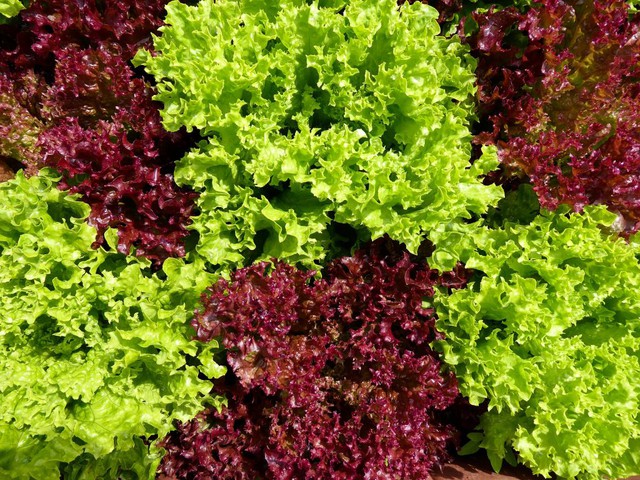
Chicory contains high amounts of inulin—a special type of soluble fiber that is not digested in the small intestine. Instead, it travels to the large intestine, improving gut microbiota and slowing down glucose absorption.
Today, inulin is recognized in many countries, including the US, Japan, and European nations, as a functional food ingredient that aids digestion, reduces calorie absorption, and contributes to managing blood sugar and blood lipid levels.
4. Oats - the "star" of soluble fiber beta-glucan
Oats, especially oat bran, are an abundant source of beta-glucan—a soluble fiber that can slow down the digestion and absorption of carbohydrates.
Beta-glucan not only stabilizes blood sugar levels but also helps lower cholesterol, protects cardiovascular health, and improves the gut microbiome. This is why oats are frequently recommended in the diets of people with prediabetes and diabetes.
5. Cinnamon - a familiar spice with "medicinal" benefits
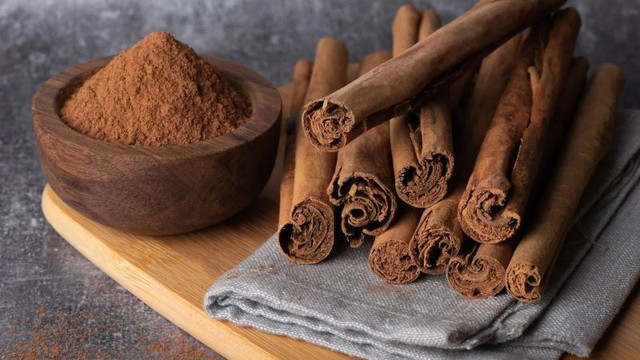
Cinnamon is not just a spice; it has been used in traditional medicine for thousands of years. The polyphenols in cinnamon can enhance insulin sensitivity by activating insulin receptors on cells.
Some studies have shown that individuals with diabetes who supplement with approximately 500 mg of cinnamon extract daily can significantly lower both fasting and postprandial blood sugar levels after just a few months.
However, experts also caution against long-term or excessive use of cinnamon, as certain components may build up toxic effects if taken without control.
6. Garlic - enhances insulin sensitivity and protects heart health
Garlic contains sulfur compounds belonging to the allium family, which can boost the production of glutathione—a vital antioxidant in the body.
As a result, garlic helps reduce oxidative stress, a key factor linked to insulin resistance. In addition, numerous studies indicate that garlic can help lower cholesterol, reduce blood pressure, and decrease the risk of atherosclerosis.

7. Fiber-rich vegetables - the foundation of stable blood sugar
Vegetables, legumes, and fruits rich in dietary fiber play an essential role in regulating blood glucose levels. Fiber enhances feelings of fullness, reduces total food consumption, and slows sugar absorption after meals.
One study revealed that supplementing with 25g of soluble fiber and 25g of insoluble fiber daily can help lower postprandial blood sugar levels by up to 10%.
While these foods offer many benefits, experts emphasize that relying solely on food to control or replace diabetes medication is not appropriate.
The effectiveness of these foods often comes from regular consumption, combined with a healthy lifestyle such as physical exercise, weight control, and limiting refined sugar.
Additionally, as each individual's body is different, people with underlying health conditions should consult a doctor before changing their diet.
Scientific research in the US: The truth about longevity supplements - 4 types that are 'worth the money' and 4 types that are being 'overhyped'natural insulin