
Fish Rich in Vitamin D for Strong Bones and a Boosted Immune System
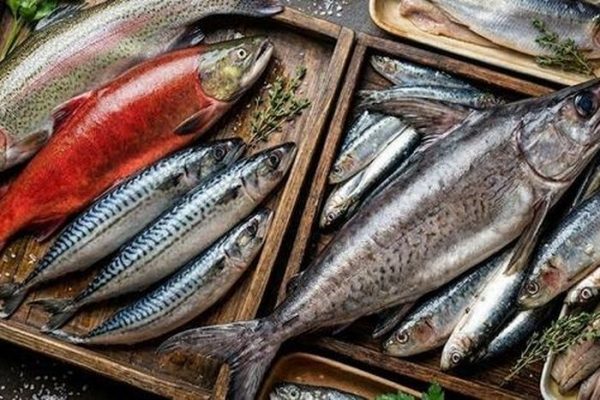
Some fish rich in vitamin D. Illustrative photo.Vitamin D, also known as the "sunshine vitamin," acts as an essential regulatory hormone in the body. Although we can synthesize it through the skin, in reality, up to 22% of adults (US data) face deficiency. Consuming fatty fish helps provide natural, abundant, and most biologically active vitamin D3.
Below is an analysis of the top 6 fish that help optimize vitamin D levels for the body:
1. Rainbow trout is very rich in vitamin D
Rainbow trout is not only a premium delicacy but also an exceptional source of vitamin D. With 645 IU (equivalent to 81% DV) per 85 g of cooked meat, it is a top choice for preventing osteoporosis.
Alongside vitamin D, this fish boasts extremely high levels of selenium and vitamin B12. The combination of vitamin D and omega-3 fatty acids in rainbow trout provides potent anti-inflammatory effects, aids cognitive function recovery, and boosts cardiovascular health.
2. Salmon
Salmon is the most familiar food source when it comes to vitamin D. Depending on the species, the nutrient content varies:
Sockeye salmon: Provides about 570 IU (72% DV) per 85 g.
Canned pink salmon: A more economical option that still yields around 493 IU.
Salmon contains astaxanthin—a carotenoid pigment that gives the flesh its distinctive pink color. This is a powerful antioxidant which, when combined with vitamin D, helps protect nerve cells from degeneration and minimizes autoimmune reactions. If you use canned salmon eaten with the bones, you also gain a significant amount of organic calcium.
3. Swordfish
Swordfish ranks third on the list with 566 IU (71% DV). As an apex predator at the top of the food chain, swordfish accumulates an extremely high concentration of nutrients from its prey. It supports DNA synthesis and fatty acid metabolism thanks to abundant B12.
However, due to bioaccumulation, swordfish often contains high mercury levels. This heavy metal has the potential to cause toxicity to the nervous system and kidneys. According to recommendations from the US Food and Drug Administration (FDA), women of childbearing age, pregnant women, and young children should strictly avoid consuming this fish.
4. Atlantic mackerel
In about 85 g of Atlantic mackerel, the body receives 547 IU (69% DV) of vitamin D.
It is important to distinguish between Atlantic Mackerel and King Mackerel. While Atlantic mackerel has low mercury levels and is safe for the vast majority of consumers, King Mackerel is on the list of fish to limit.
The vitamin D in mackerel supports neurotransmission, helping to improve memory and focus.
5. Sardines balance vitamin D and calcium
Sardines provide about 178 IU (22% DV) per 85 g serving (equivalent to the fish meat in a standard can).
When eaten with bones, sardines provide an ideal balance between vitamin D and calcium, helping to optimize the bone mineralization process.
Sardines are classified by the FDA into the "Best Choices" category due to their extremely low mercury content. This is a food recommended for regular consumption (2–3 times/week) even for sensitive groups such as pregnant women.
6. Herring
Herring provides about 158 IU (20% DV) per 85 g serving. An interesting culinary note is that pickled herring often tends to retain or even enhance the absorption of fat-soluble vitamins thanks to the mildly acidic environment.
As a small schooling fish, herring has a short life cycle and thus poses a lower risk of heavy metal contamination. It is a clean, sustainable protein source for maintaining steady vitamin D levels in the blood.
Notes on Selecting and Preparing Fish
Vitamin D from fatty fish not only aids calcium absorption but also serves as the "key" to coordinating the immune system and protecting cardiovascular health. However, when offering health guidance, three principles should be emphasized when choosing fish:
Prioritize small fish: (Sardines, herring) to minimize the risk of mercury contamination.
Preparation methods: Prioritize steaming, baking, or pan-searing with dry heat to retain the maximum amount of fat-soluble vitamins, avoiding frying at excessively high temperatures that denature omega-3s.
Special populations: Pregnant women must strictly adhere to the list of safe fish according to guidelines from reputable health authorities.