
Celery seed benefits that might surprise you
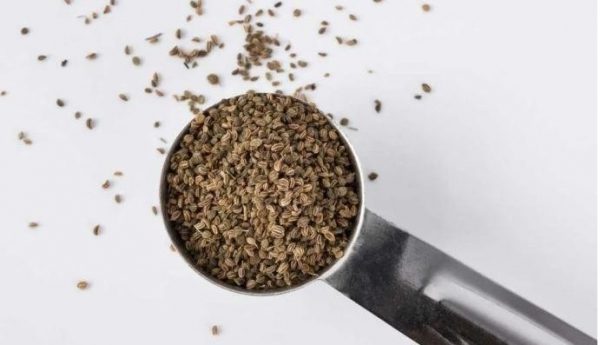
Though less commonly used, celery seeds are packed with nutrients and carry a distinctive flavor. (Source: pinterest)
Celery is a familiar vegetable, but the value of this plant extends beyond its stalks. Though less commonly used, celery seeds are packed with nutrients and carry a distinctive flavor.
Celery seeds are small, light brown, with an herbal aroma and a warm, slightly bitter taste. In Eastern medicine, celery seeds have been used to support the treatment of conditions such as bronchitis, skin disorders, and the flu.
Today, celery seeds are mainly used as a culinary spice and are also available as dietary supplements. Despite their tiny size, celery seeds possess notable nutritional value and provide a wide range of health benefits.
Here are 6 outstanding benefits of celery seeds:
Rich in essential nutrients
Celery seeds contain several essential minerals such as calcium, manganese, and iron. Just one tablespoon of celery seeds provides a substantial amount of necessary micronutrients while remaining low in energy, at about 25 calories.
A balanced nutritional profile of protein, fat, and carbohydrates makes this seed a healthy addition to your diet.
Supports bone health
The calcium in celery seeds plays a vital role in maintaining bone strength. When the body experiences long-term calcium deficiency, bone mineral density can decline, increasing the risk of fractures, especially in older adults.
In addition, celery seeds are rich in manganese, a mineral essential for the formation of bone tissue and cartilage. The magnesium and phosphorus found in the seeds also help support the function of bone-building cells.
Promotes red blood cell production
Iron is an essential component for producing red blood cells, which transport oxygen throughout the body. Celery seeds are a great plant-based source of iron.
Incorporating iron-rich foods like celery seeds can help reduce the risk of iron-deficiency anemia, particularly when paired with vitamin C-rich foods to enhance absorption.
Beneficial for blood sugar control
The magnesium in celery seeds plays an important role in regulating blood sugar levels and improving insulin sensitivity. Maintaining stable blood glucose levels helps lower the risk of type 2 diabetes and cardiovascular disease.
Several studies indicate that a diet rich in magnesium can significantly reduce the risk of developing diabetes.
Antibacterial properties
Laboratory studies show that celery seed extract may inhibit certain types of bacteria, yeasts, and molds. This suggests potential applications for celery seeds as a natural food preservative, although more human studies are needed to confirm these effects.
Antioxidant properties
Celery seeds contain polyphenols, plant compounds with antioxidant properties. Antioxidants help protect cells from damage caused by free radicals, thereby contributing to a reduced risk of chronic diseases such as heart disease, cancer, and diabetes.
How to add celery seeds to your diet
Celery seeds are a versatile spice that can be used whole, crushed, or ground into powder. They are commonly added to soups, vegetable dishes, salad dressings, stews, roasted dishes, or pickles. Some people also brew celery seed powder into tea by steeping it in boiling water for about 10 minutes.
Precautions when using
In amounts typically used in cooking, celery seeds are considered safe. However, concentrated supplement forms should be approached with caution. Pregnant women, individuals with low blood sugar, acute kidney inflammation, or allergies to celery should avoid using them.
Celery seeds may also interact with certain medications, so it is advisable to consult a physician before using them as a dietary supplement./.