
Natural Juices That Help Safely Lower Blood Pressure
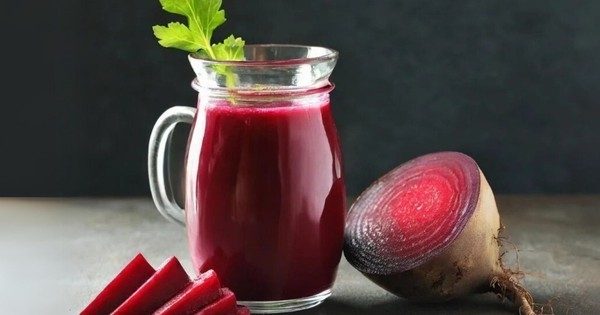
Beetroot juice can help lower blood pressure.
Hypertension is often referred to as the "silent killer" because it leads to many dangerous complications. To manage blood pressure effectively, patients must strictly adhere to prescribed medications combined with healthy lifestyle changes. Modifying lifestyle habits and following a proper diet will contribute to naturally lowering blood pressure and preventing hazardous complications of hypertension.
Numerous studies show that a diet rich in plant-based foods such as vegetables, fruits, whole grains, nuts, olive oil, and healthy fats is an effective way to boost the intake of fiber, vitamins, minerals, and antioxidants. These nutrients are proven to be beneficial for cardiovascular health, lowering blood pressure and reducing the risk of other chronic diseases.
Here are several plant-based beverages that effectively support vasodilation and improve blood circulation.
1. Beetroot juice contains compounds that support blood pressure reduction
Beetroot juice contains compounds called nitrates that can reduce blood pressure. When consuming nitrate-rich foods or beverages, the body converts these natural chemicals into nitric oxide, which dilates blood vessels.
When blood vessels dilate, our heart doesn't have to work as hard to pump blood, helping to lower blood pressure. Research shows that people with hypertension who drink beetroot juice may experience a reduction in systolic blood pressure.
2. Tomato juice lowers bad cholesterol
Tomatoes are beneficial for people with hypertension because they have a high content of lycopene, vitamin E, potassium, etc., which have antioxidant effects, help slow the progression of atherosclerosis, reduce bad cholesterol, and maintain good blood pressure control.
Research indicates that regularly drinking tomato juice can help lower blood pressure and reduce LDL (bad) cholesterol levels. However, note that it is best to drink unsweetened and especially unsalted tomato juice, as consuming excess salt can increase blood pressure over time.
3. Pomegranate juice rich in antioxidants
Pomegranate is a nutritious fruit rich in plant-derived polyphenols. These compounds are believed to help reduce blood pressure thanks to their antioxidant properties.
Several studies show that regularly drinking pomegranate juice can help lower both systolic and diastolic blood pressure in individuals with hypertension. However, the effects of pomegranate depend on the amount consumed and may or may not be long-lasting.
Note: Due to its high sugar content (around 26 g per cup), pomegranate juice may not be suitable for people with diabetes.
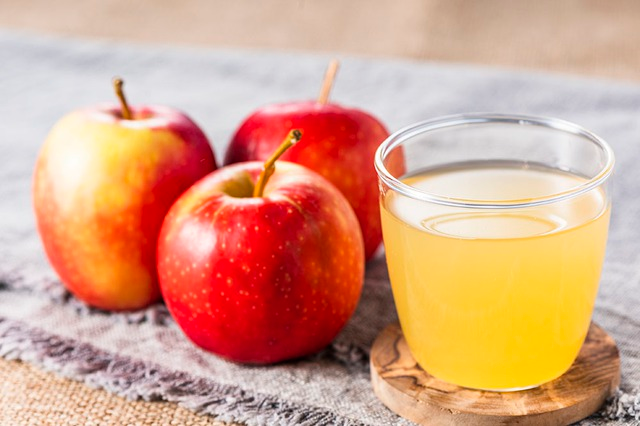
4. Apple juice improves blood pressure and vascular health
A new study from the University of Surrey found that natural compounds called flavan-3-ols (found in cocoa, tea, grapes, and apples) can effectively improve blood pressure and vascular health.
The antioxidants in apples possess cardiovascular-protective properties. A study conducted by UC Davis Health demonstrated that apples and apple juice can reduce the risk of heart disease. Compounds found in apples support the reduction of LDL cholesterol in the body—the bad cholesterol that clogs arteries and increases the risk of coronary heart disease.
5. Watermelon juice rich in the amino acid L-citrulline
Watermelon is nutrient-rich and low in calories. It is also one of the richest dietary sources of the amino acid L-citrulline.
In the body, L-citrulline is converted into L-arginine, which helps produce nitric oxide (NO). Nitric oxide plays a role in dilating blood vessels and enhancing arterial elasticity, thereby improving blood circulation and lowering blood pressure.
In a recent review study published in the journal Nutrients, Brazilian researchers investigated natural sources of L-citrulline in watermelon, especially concentrated in the rind, showing that it is a highly bioavailable and effective precursor to increase L-arginine levels in the body, followed by NO synthesis. Incorporating watermelon into the diet offers potential benefits, particularly for individuals with prehypertension or metabolic risks.
6. Berry juice is good for blood vessels
Drinking various berry juices can help lower blood pressure. Blueberries contain anthocyanins, a polyphenol that gives them their vibrant color and benefits blood pressure by increasing flow-mediated dilation and reducing systolic blood pressure.
Cherries are rich in anthocyanins and contain certain amounts of flavanols. Flavanols in cherries help reduce inflammation and are beneficial for vascular health.
Note that, just as with any other juice, it is recommended to choose 100% pure, unsweetened berry juice.