
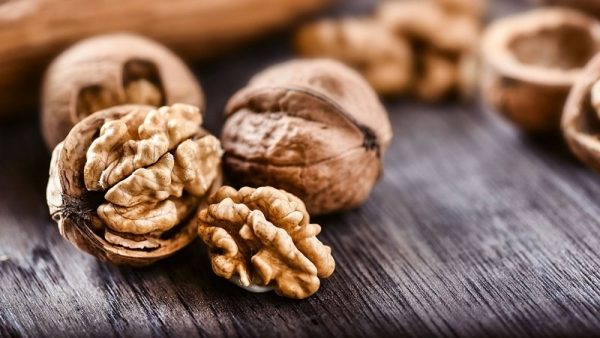
Natural anti-inflammatory foods good for joint pain
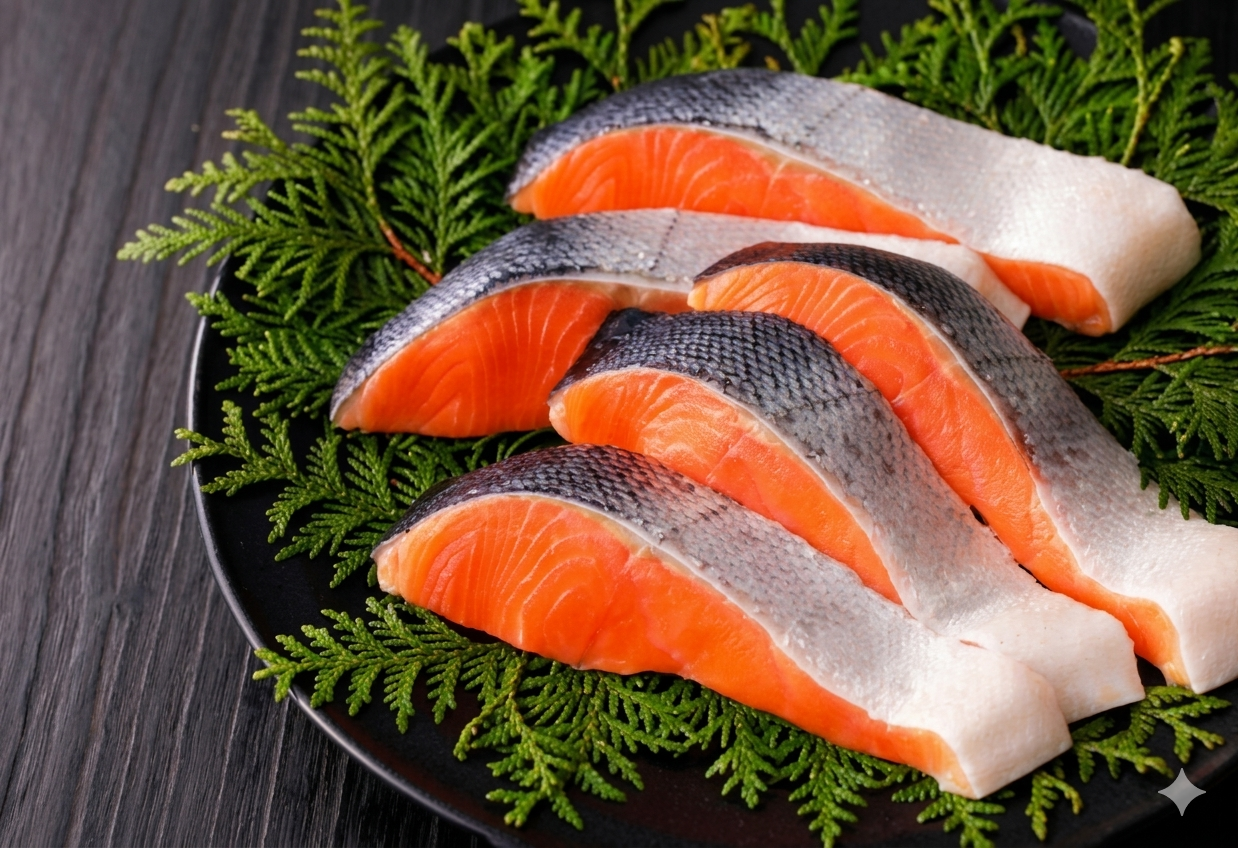
Salmon helps reduce joint pain and inflammation thanks to its high omega-3 fatty acid content.
Joint pain and inflammation can affect all ages and genders. Many types of food can help alleviate some of the pain and inflammation. One survey found that 24% of people with rheumatoid arthritis reported that diet had an impact on the severity of their symptoms.
1. List of 6 best supportive foods for people with joint pain and inflammation
Fatty fish
If you frequently experience joint stiffness or aches upon waking up, add fatty fish like salmon, mackerel, and sardines to your menu immediately.
Fatty fish tops the list for joint pain relief due to its extremely high omega-3 fatty acid content. Many studies have proven that omega-3s have the ability to inhibit enzymes that destroy joint cartilage and significantly reduce the concentration of inflammatory substances in the body. According to the Arthritis Foundation, eating fatty fish 2-4 times a week not only helps reduce pain but also provides comprehensive cardiovascular protection.
Garlic
Garlic is not just a spice but also a good medicine for people with musculoskeletal diseases. Garlic contains Diallyl disulfide, a compound capable of limiting the effects of enzymes that damage cartilage.
Clinical studies indicate that people who regularly eat garlic or take garlic extract have significantly lower disease activity indices. Garlic helps reduce swelling and inflammation in the knee and hand joints, while strengthening the immune system to help the body fight off acute inflammatory episodes.
Ginger
In addition to enhancing the flavor of tea, soups, and sweets, ginger can also help reduce the symptoms of arthritis.
Many studies have investigated the effects of ginger on osteoarthritis, finding that ginger supplementation reduced inflammation and pain in study participants. Ginger inhibits certain proteins that can trigger the immune system to react in inflammatory diseases, such as rheumatoid arthritis.
Broccoli
Broccoli contains a special component called sulforaphane. This is considered a joint-protecting substance due to its ability to block inflammatory cells and slow down the process of cartilage damage in osteoarthritis.
Furthermore, the abundant amount of vitamin K and vitamin C in this vegetable also helps strengthen bones and prevent osteoporosis – a factor that makes arthritis worse. Prioritize steaming as a preparation method to keep these compounds fully intact.
Walnuts
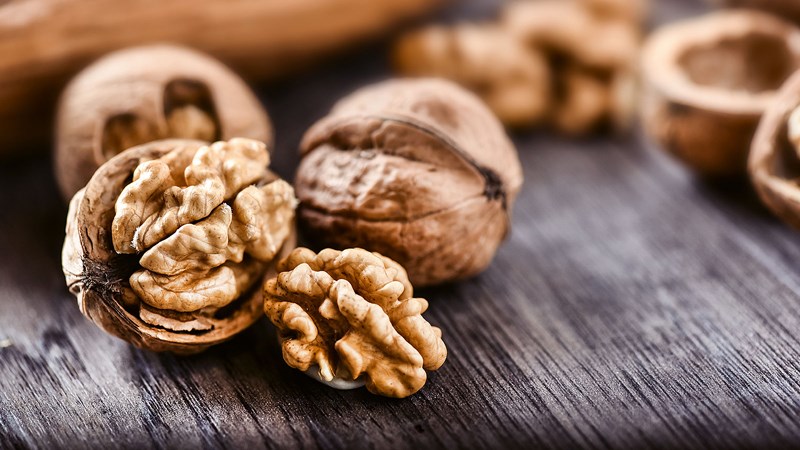
Antioxidants in walnuts also help protect the tissues surrounding the joints
For those who don't like eating fish, walnuts are a perfect alternative. This is a nutrient-rich nut containing a high concentration of alpha-linolenic acid (ALA) – a powerful plant-based omega-3.
Eating a handful of walnuts a day helps reduce inflammatory markers (such as C-reactive protein - CRP) in the blood. The presence of antioxidants in walnuts also helps protect the tissues surrounding the joints from attack by free radicals, thereby maintaining flexibility for the patient.
Olive oil
Renowned for its anti-inflammatory properties, olive oil can have a positive effect on arthritis symptoms.
In addition to reducing inflammation, some studies suggest that certain compounds found in olive oil can promote autophagy, a process that helps remove damaged cells from the body, which can be beneficial for arthritis.
Moreover, diets rich in olive oil, such as the Mediterranean diet, have been shown to reduce pain and improve physical function for people with rheumatoid arthritis.
2. Advice for people with joint pain and inflammation
Nutrition plays a key role but cannot completely replace a doctor's treatment regimen. To optimize effectiveness, you should:
Limit foods that cause pain and inflammation: Sugar, fried foods, and red meat are factors that make joints more swollen and painful.
Gentle movement: Combine diet with exercises such as swimming or yoga to keep joints lubricated.