
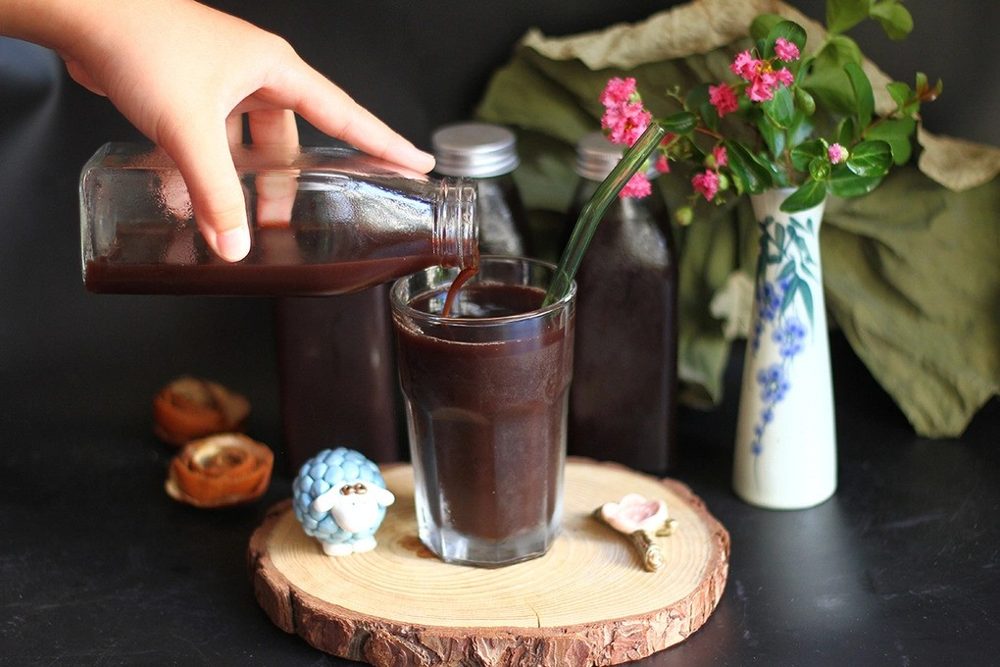
Mistakes when drinking black bean water that can harm your health
Black bean water has long been a popular refreshing drink chosen by many people on hot days. With its pleasant flavor and abundant beneficial nutrients, this beverage is often brewed ahead of time for daily consumption or to take to work. However, not everyone knows that overusing or improperly consuming black bean water can lead to several adverse health effects.
Black bean water offers many benefits when consumed appropriately
Black beans are rich in antioxidant compounds such as anthocyanins and flavonoids concentrated in their hulls, alongside minerals like potassium, magnesium, and B vitamins. Whether boiled directly or roasted before brewing, black bean water retains a significant amount of beneficial soluble substances.
In hot weather or after outdoor activities, black bean water can help replenish fluids, support electrolyte balance, and contribute to reducing fatigue. Its relatively high potassium content also supports excretion, while antioxidants help protect cells against free radical damage and promote cardiovascular health.
In addition, black bean water is favored by many in healthy diets for its ability to support weight management and nourish the skin.
Mistakes to avoid when drinking black bean water
1. Replacing plain water entirely with black bean water
This is the most common mistake. Many people drink black bean water instead of plain water throughout the day, hoping to detoxify or lose weight quickly.
However, black beans contain phytates (phytic acid)—a compound that binds to minerals such as iron, zinc, and calcium. If consumed excessively over an extended period, phytates can reduce the body's ability to absorb vital micronutrients, thereby affecting bone health, weakening the immune system, and increasing the risk of mineral deficiencies.
2. Drinking it with or too close to mineral-rich meals
Black bean water should not be consumed at the same time or immediately after meals rich in iron, zinc, and calcium, such as red meat, seafood, or eggs.
The phytates in black beans can combine with these minerals to form poorly absorbable complexes, diminishing the nutritional value of the meal and potentially causing bloating and indigestion.
3. Drinking on an empty stomach
According to traditional nutritional wisdom, black bean water has cooling properties. Drinking it on an empty stomach can make some people feel uncomfortable, ravenous, or experience stomach irritation, especially those with a sensitive digestive system.
4. Drinking late in the evening
Black bean water has mild diuretic properties; drinking it too close to bedtime can increase nighttime urination, disrupting sleep quality.
5. Drinking when suffering from a cold or digestive disorders
For individuals suffering from a cold, diarrhea, or physical weakness, consuming excessive black bean water can worsen feelings of coldness in the stomach or gastrointestinal discomfort.
6. Drinking close to the time of taking medication
Do not drink black bean water immediately before or after taking medication. Certain active components in black beans can interfere with drug absorption, reducing treatment efficacy. It is best to space consumption away from medication times as directed by a doctor or pharmacist.
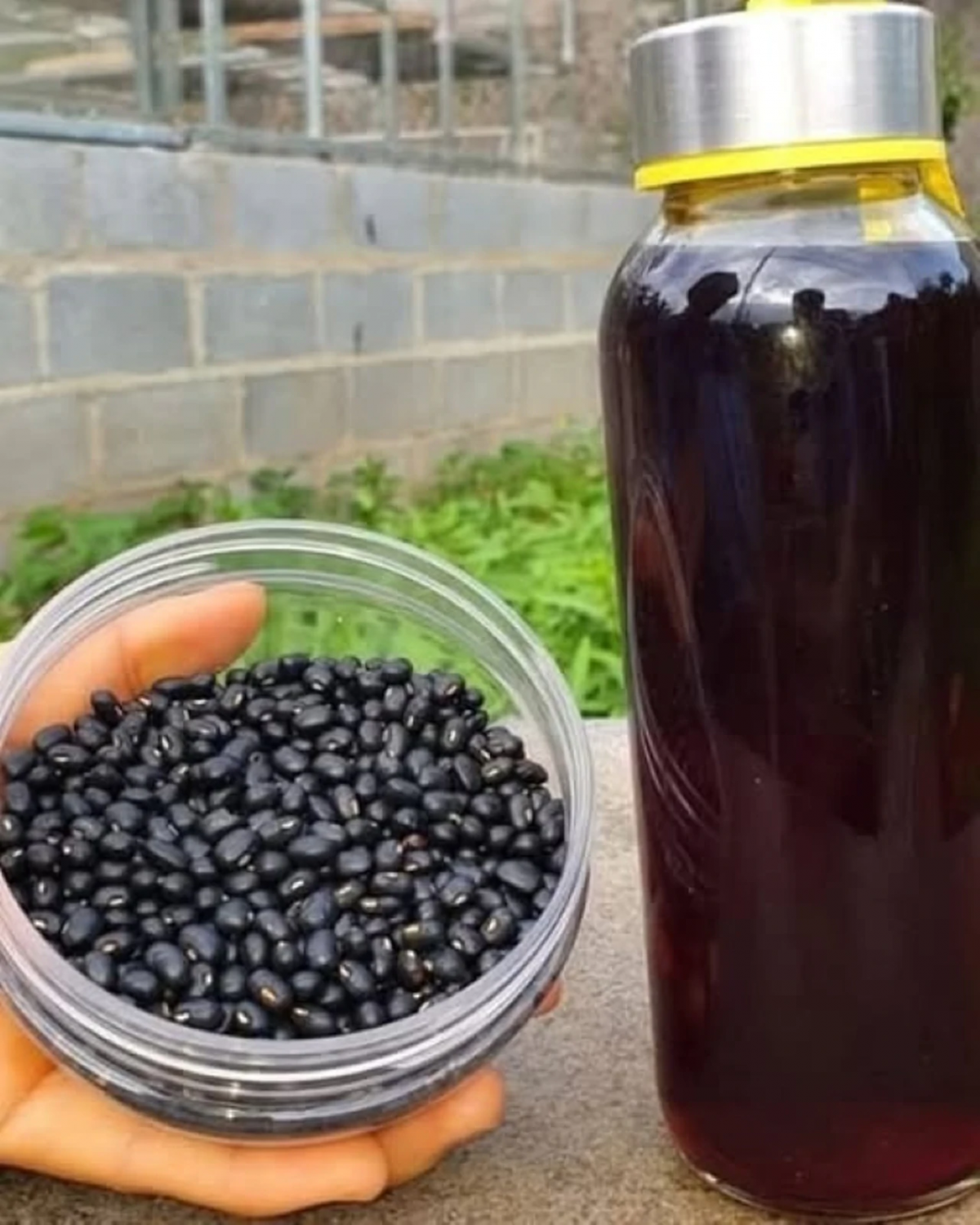
How to drink black bean water properly for good health?
Black bean water is a nutritious beverage when consumed in moderate amounts. Users should not replace plain water entirely with black bean water, and should choose suitable times to drink it while avoiding combinations with foods or medications that might hinder nutrient absorption.
Proper consumption will maximize the benefits of black bean water in cooling the body, replenishing nutrients, and promoting overall health without causing adverse side effects.