
Lentil-Eating Mistakes That Can Affect Your Digestion
Lentils are a widely used source of plant-based protein, fiber, vitamins, and minerals in many diets. However, not everyone knows that there are various types of lentils, each with distinct characteristics and cooking methods.
In addition, certain habits, such as using old lentils, skipping the rinse before cooking, or eating too much too quickly, can affect the dish's quality and lead to digestive discomfort.
Distinguishing Common Types of Lentils
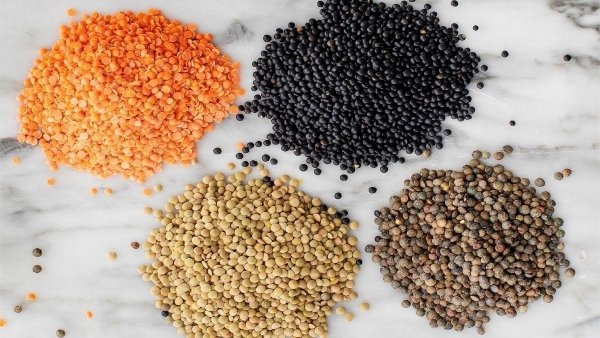
Lentils come in many colors and sizes. The four common varieties include brown, green, red, and black lentils.
Brown lentils are relatively affordable, hold their shape well after cooking, and are ideal for soups and stews, or as substitutes for other legumes in various recipes.
Green lentils, sometimes referred to as French lentils in certain literature, have a mild nutty flavor and retain their texture exceptionally well after cooking. This variety is often used in salads or dishes that require intact seeds.
Red lentils are typically split, making them quick to soften during cooking. Once cooked, they develop a creamy texture, making them ideal for soups, stews, purées, or dishes requiring a thick consistency.
Black lentils, commonly known as Beluga lentils, are small and distinctly black. They retain their shape well after cooking while staying tender inside, making them suitable for salads and various other dishes.
6 Mistakes to Avoid When Using Lentils
Using Lentils That Have Been Stored for Too Long
Dried lentils have a long shelf life, but their quality deteriorates if kept for too long or stored improperly. Old lentils may remain tough even after extended cooking times.
Before cooking, always check the expiration date and condition of the lentils. After opening the package, store them in an airtight container in a dry place, and label the opening date for easy tracking.
Not Rinsing Lentils Before Cooking
Do not skip rinsing your lentils prior to preparation. Rinsing helps remove dust, debris, and any remaining impurities from harvesting, processing, or shipping.
Red lentils, in particular, can accumulate loose starch dust as the grains rub against one another. Rinsing beforehand washes away this excess surface starch and reduces foaming while simmering.
Assuming Lentils Must Be Soaked for a Long Time
Unlike larger dried beans, lentils typically do not require overnight soaking. Due to their small size, many varieties cook thoroughly in about 20–30 minutes, depending on the type and preparation method.
If you prefer to soak them, 30 minutes to 1 hour before cooking is sufficient. However, soaking is not a mandatory step for most lentil varieties.
Overcooking Lentils
Lentils can quickly transition from perfectly tender to mushy if cooked for too long. This is especially prone to happen with split red lentils.
The cooking times listed on packaging should only serve as general guidelines. During cooking, check their tenderness periodically and adjust the heat to achieve the desired texture.
Eating Undercooked Lentils
Lentils must be cooked thoroughly before eating. Hard or undercooked grains can be difficult to digest and cause gastrointestinal distress.
Cooking softens lentils, making them more palatable and easier to digest. Therefore, never consume raw or insufficiently cooked lentils.
Increasing Lentil Intake Too Quickly
Lentils are high in dietary fiber. If your body is not used to it and you consume large portions right away, you may experience gas, bloating, or digestive discomfort.
If you are newly introducing lentils into your diet, start with small portions and gradually increase them according to your tolerance. Drinking plenty of water also helps your body adjust more smoothly to the increased fiber intake.
Who Should Exercise Caution When Eating Lentils?
While lentils are packed with nutrients, they also contain naturally occurring compounds that can affect the absorption of certain minerals like iron and zinc. Preparing them properly and maintaining a diverse diet will help ensure balanced nutrition.
Lentils are also high in potassium and phosphorus. Individuals with chronic kidney disease, particularly those advised to restrict these minerals, should consult a doctor or clinical dietitian to determine appropriate portion sizes.
Overall, lentils make a valuable addition to a balanced diet. Selecting the right variety, storing them properly, rinsing thoroughly, cooking just until tender, and increasing intake gradually will allow you to reap their nutritional benefits while preventing unwanted discomfort.