
Fruits that help protect skin from UV rays and prevent aging in summer
Summer, with high temperatures and intense UV radiation, makes the skin prone to tanning, dehydration, and premature aging. In addition to using sunscreen, many international dermatologists recommend supplementing fruits rich in vitamin C, beta carotene, and lycopene to support skin protection from within.
Nicholas Perricone, a dermatologist at Yale School of Medicine, suggests that foods rich in antioxidants can help reduce the impact of stress caused by sunlight.
Meanwhile, Howard Murad, founder of Murad Skincare and clinical associate professor of medicine at UCLA, encourages boosting water-rich fruits and vegetables during the hot season to support hydration and restore the skin's protective barrier.
Watermelon
Watermelon contains high water content along with lycopene, the antioxidant responsible for the fruit's characteristic red color. Lycopene is highlighted in numerous studies for its ability to help reduce cellular damage caused by UV rays.
Amy Wechsler, a dermatologist at Weill Cornell Medical College in New York, stated that lycopene-rich foods such as watermelon or tomatoes can help the skin withstand the impacts of hot, sunny environments when consumed regularly.
Tomatoes
Tomatoes are a plentiful source of lycopene and vitamin C. Several nutritional studies show that people who regularly eat tomatoes can reduce their skin's sensitivity to sunlight.
Harold Lancer, a dermatologist at Lancer Dermatology Clinic in Beverly Hills, believes that an antioxidant-rich diet plays a crucial role in maintaining healthy skin during summer, especially in environments with prolonged hot sunshine.
Ripe mangoes
Mangoes are rich in beta carotene, a precursor to vitamin A that helps support epidermal recovery and enhances skin resistance against UV rays. This fruit also contains vitamin C, which provides antioxidant benefits and supports collagen production.
Dermatological nutritionists often advise eating yellow-orange fruits in the summer thanks to their high carotenoid content, which is beneficial for skin health.
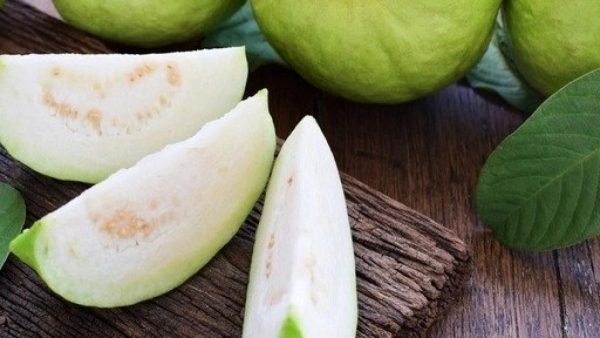
Guava
Guava stands out as an exceptionally vitamin C-rich fruit, helping to neutralize free radicals generated when the skin is exposed to sunlight for extended periods.
Whitney Bowe, a dermatologist at Whitney Bowe Beauty in New York, emphasizes that vitamin C from natural foods plays an essential role in supporting collagen synthesis and helping the skin combat environmental signs of aging.
Oranges and grapefruits
Oranges and grapefruits are packed with vitamin C, flavonoids, and abundant water, helping to provide antioxidant support and reduce dullness caused by summer dehydration. Beyond benefits for the skin, grapefruit is also low in calories, making it suitable for those looking to manage their weight during hot weather.
Papaya
Papaya contains vitamins A and C and the enzyme papain, which are beneficial for the skin cell regeneration process. This is a fruit frequently recommended during summer for its ability to support digestion and restore skin after sun exposure.
Dermatologists note that fruits only support skin protection from the inside and cannot replace sunscreen. To minimize the harmful effects of UV rays, it remains essential to apply broad-spectrum sunscreen, wear sun-protective clothing, wear a wide-brimmed hat, and avoid going outside during peak sun hours.