
Winter vegetables rich in fiber and good for gut health
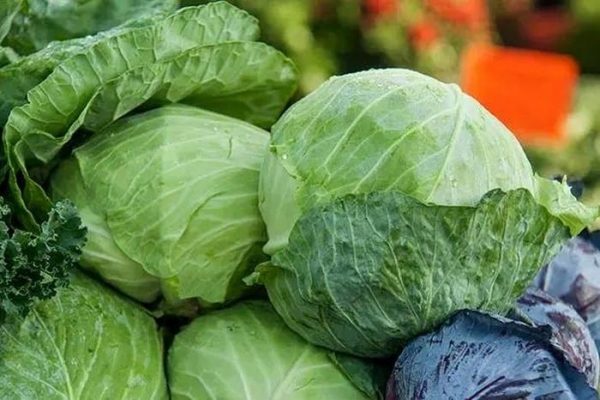
Cabbage is abundant in winter and can be prepared in various dishes. Photo: Ban MaiIn winter, cold weather often leads to less physical activity, reduced water intake, and diets higher in protein and carbohydrates. These factors can slow down the digestive system, causing constipation and bloating. Here are 5 vegetables readily available in winter that are beneficial for your gut:
Carrots
Research published in the journal Food Science and Nutrition shows that carrots contain both soluble and insoluble fiber, which stimulates more regular bowel movements. Carrots are also gentle on the stomach, making them suitable for people with sensitive digestive systems. In addition, the high beta-carotene content in carrots helps reduce inflammation and supports overall gut health. Carrots can be enjoyed raw, steamed, lightly cooked, in soups, or stir-fried.
Cabbage
Cabbage is rich in soluble fiber, which helps food move smoothly through the digestive tract and prevents sluggish digestion. Certain plant compounds in cabbage also help protect the intestinal lining and reduce inflammation. For those prone to bloating from eating raw cabbage, light cooking such as stir-frying, steaming, or simmering in soups makes it easier to digest while preserving its nutritional value.
Spinach
This is a popular leafy green during winter that is excellent for the digestive system. According to the American Journal of Clinical Nutrition, spinach is rich in fiber, water, and magnesium—essential elements in preventing constipation. While fiber aids digestion, magnesium also supports effective bowel motility. Furthermore, spinach contains iron, folate, and vitamin C, boosting overall health during the cold season when immunity may decline. For easier digestion, spinach should be cooked and used in stir-fries, broths, soups, or scrambled with eggs.
Sweet potatoes
According to Nutrition Reviews, sweet potatoes provide both soluble and insoluble fiber, regulating bowel movements and improving the health of the gut microbiome. The fiber in sweet potatoes helps prevent constipation, while their natural sweetness provides satiety without burdening the digestive system. Additionally, sweet potatoes are rich in potassium and antioxidants, helping protect the intestinal mucosal lining. Boiled, baked, mashed, or added to stews, sweet potatoes are a great choice in winter.
Green peas
Besides fiber, green peas also provide plant protein, promoting a lasting feeling of fullness and helping curb overeating—a common cause of digestive discomfort during the cold months. With a mild sweetness and tender texture, green peas are easy to incorporate into a wide range of dishes, such as soups, stews, mixed rice, and salads.