
Food and drink in eye care
A balanced diet helps keep your eyes healthy. Certain nutrient-rich foods can prevent many eye diseases as well as protect your eyes from the risks of age-related degeneration.
Almonds and vitamin E
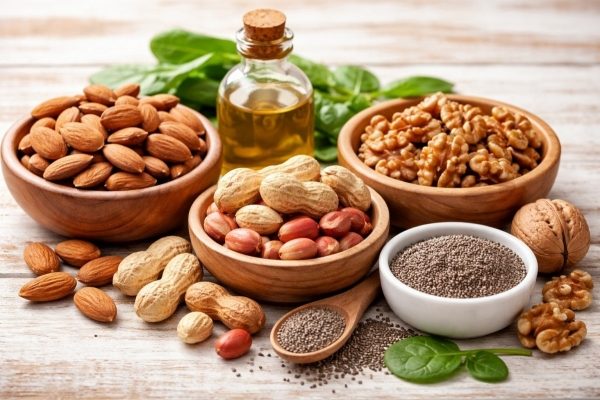
Almondsare rich in vitamin E, which helps protect the eyes from unstable molecules that attack healthy tissue. Adults should supplement with about 22 IU, or 15 mg of vitamin E per day. 100 g of dry-roasted almonds contains 19 mg of vitamin E. Regular consumption of vitamin E can prevent macular degeneration and cataracts.
A balanced diet helps keep your eyes healthy. Certain nutrient-rich foods can prevent many eye diseases as well as protect your eyes from the risks of age-related degeneration.
Chia seeds and peanuts
Chia seeds supplement plant-based omega-3s, which play a role in strengthening eye tissues. Vitamin E acts as an antioxidant protecting the eyes from age-related macular degeneration. These nutrients can improve ocular surface health, enhance tear production, and reduce eye inflammation.
Peanuts also provide an abundant supply of vitamin E that can protect eye cells from harmful free radicals. Zinc plays a role in improving vision for people with certain types of eye degeneration. You can enjoy roasted peanuts as a snack or add them to salads.
Water and walnuts
Water makes up nearly 75% of the human body, and drinking enough water is very good for your eyes. It keeps the eyes hydrated, preventing dryness and irritation. Providing sufficient moisture for the eyes supports tear production while helping the body eliminate toxins. Dehydration can worsen symptoms of dry eyes and eye strain caused by excessive screen time.
Walnuts are one of the few plant-based foods truly rich in omega-3s. They are a healthy alternative to oily fish, which is very good for the eyes. Walnuts are also high in calories, so limit your intake to a handful per day.