
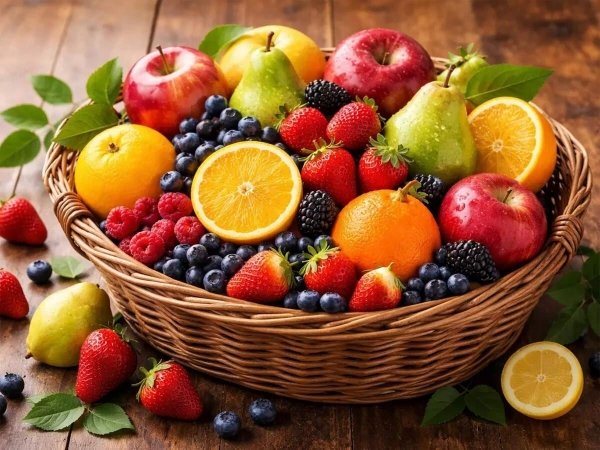
Low-GI Fruits That Help Control Blood Sugar
Fruits contain natural sugars while simultaneously delivering fiber, vitamins, minerals, and many beneficial plant compounds. Therefore, people with diabetes do not necessarily have to eliminate fruit from their diet.
According to the American Diabetes Association (ADA), when selecting fruit, individuals should consider the type of fruit, portion size, and the total carbohydrate content of the meal.
A commonly used metric is the glycemic index (GI). Foods with a GI of 55 or below are classified as low-GI, typically causing a slower rise in blood sugar compared to high-GI foods. However, GI does not indicate the total amount of carbohydrates in a single serving, so it should not be the sole factor used to decide how much fruit to consume.
Pears
Pears are among the low-GI fruits, with an index of around 38 according to data referenced from the National Institute of Nutrition.
This fruit is high in water and fiber, which helps promote a feeling of fullness. The natural sweetness of a pear does not mean blood sugar will spike rapidly. What remains crucial is portion size.
A small pear can serve as a fruit portion for a snack. Those who need tight carbohydrate control can adjust their portions to fit their total daily carbohydrate target.
Apples
Apples have a GI of around 39 and provide fiber alongside numerous plant compounds. A significant portion of an apple's fiber resides in its peel; therefore, when suitable, it is best to eat the whole fruit rather than juicing it.
Based on ADA portion guidelines, a small apple contains roughly 15 g of carbohydrates, equivalent to one serving of fruit.
Instead of choosing pastries or sugary snacks, a small apple can be a far better option within a carbohydrate-controlled diet.
Oranges
With a GI of around 40, oranges fall into the low-GI category. They also provide vitamin C, dietary fiber, and various micronutrients.
For those managing blood sugar, how fruit is consumed is just as important as the type of fruit. Eating whole orange segments allows for better portion control than drinking a large glass of orange juice.
Fresh oranges without added sugar or honey should be prioritized. Eating the whole fruit also helps preserve the dietary fiber naturally found in the fruit's pulp.
Grapefruits
Grapefruit has a GI of around 25, making it one of the lowest glycemic index fruits. Grapefruit is high in water, low in calories, and provides vitamin C.
In appropriate portion sizes, grapefruit can readily be incorporated into the meal plans of individuals managing blood glucose levels.
However, grapefruit and grapefruit juice can interact with certain medications. Those taking prescription drugs should check for potential drug interactions or consult a doctor or pharmacist before eating grapefruit in large quantities or consuming it regularly.
Strawberries
Strawberries have a GI of approximately 40 and a relatively low carbohydrate content compared to many other fruits.
About 150 g of strawberries provides around 5.8 g of carbohydrates and 3.8 g of fiber. This makes them a notable choice for people managing their dietary carbohydrate intake.
Strawberries can be eaten fresh or paired with unsweetened yogurt. In contrast, strawberry jams, syrups, and sugary desserts have vastly different nutritional profiles compared to fresh berries.
Low GI Still Requires Portion Awareness
While GI is a useful tool when choosing carbohydrate-containing foods, it should not be considered the only criterion.
A low-GI fruit can still provide a substantial amount of carbohydrates if consumed in large portions. According to the ADA, one serving of fruit typically provides about 15 g of carbohydrates. A small apple or orange roughly equals one serving, while a serving of fresh berries is generally around 3/4 to 1 cup, depending on the berry.
Consequently, fruit must be accounted for within a meal's total carbohydrate count, rather than being eaten as an addition to an already carb-heavy meal.
Prioritizing Whole Fruits
A meta-analysis of 5 randomized trials involving 245 people with type 2 diabetes, published in 2026, noted that consuming whole fruits was associated with lower HbA1c and fasting blood sugar levels. However, because the number of trials and participants was limited, further research is needed to corroborate these findings.
Overall, people managing blood sugar do not need to avoid fruit simply because of its natural sweetness. One can rotate fruits such as pears, apples, oranges, grapefruits, and strawberries, giving preference to fresh, whole fruit and minding portion sizes.
At the same time, it is advisable to limit fruit juices, dried fruits, jams, syrups, and fruit products with added sugars. Most importantly, balance the carbohydrates from fruit with your total daily dietary intake.