
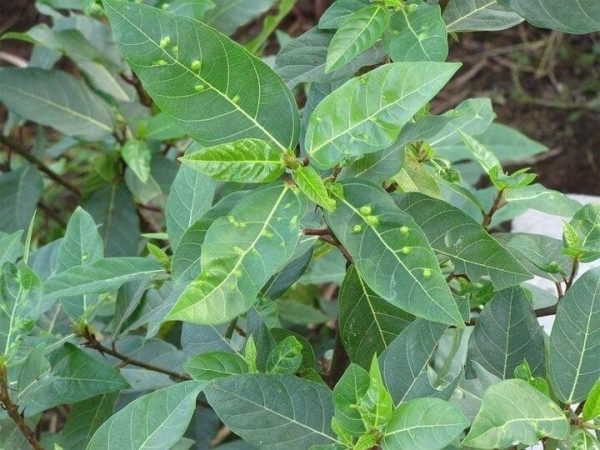
Compounds, Research, and How to Use Fig Leaves
Beyond their role in many traditional dishes, fig leaves have drawn attention due to their health-promoting plant compounds. Several preliminary studies suggest that these leaves have the potential to provide antioxidant support, improve metabolism, and benefit general well-being; however, current evidence remains insufficient to confirm therapeutic effects for treating diseases.
Composition and Antioxidant Research
According to analyses, fig leaves contain polyphenols, flavonoids, and dietary fiber, along with small amounts of vitamins, minerals, and organic acids. These components are all considered valuable in nutritional and botanical research.
One of the prominent properties of fig leaves is their antioxidant capacity. Polyphenols and flavonoids can help partially neutralize free radicals, contributing to the protection of cells against oxidative stress—a factor associated with aging and numerous chronic conditions. Nevertheless, these findings have primarily been recorded in preclinical studies and cannot yet be considered clinical evidence of treatment efficacy in humans.
Evidence on Blood Sugar, Digestion, and Lipids
In addition, fig leaves have been investigated for their potential to help regulate blood sugar levels. A few small-scale studies indicate that fig leaf extract may slow carbohydrate absorption, influence insulin sensitivity, and help regulate postprandial blood glucose. Even so, available evidence is not sufficient to recommend using fig leaves as a replacement for diabetes medication. Individuals undergoing medical treatment who wish to use fig leaf tea or preparations should consult their physician to minimize the risk of hypoglycemia when combined with prescription drugs.
For the digestive system, fig leaves provide dietary fiber and plant compounds that can support bowel motility, enrich daily diets, and supply beneficial plant nutrients for the gut microbiome. This is also why fig leaves are commonly enjoyed in fresh spring rolls, boiled platters, or as an accompaniment to traditional meals.
Some experimental studies have also observed that the antioxidant compounds in fig leaves may be linked to lipid metabolism, reducing oxidative stress, and helping protect blood vessels. However, these results still require further clinical studies in humans before any definitive claims can be made regarding cardiovascular disease prevention or treatment.
Skin Care and Precautions
In traditional folk practice, fig leaves have also been applied for skin care. Boiled leaf decoctions can be used for soaks or topical washes, or the leaves can be applied directly to uncomfortable skin areas to help soothe itching, relieve mild irritation, and care for oily skin. Nevertheless, these uses are based primarily on folk experience. Certain individuals may experience skin irritation or contact dermatitis from fig leaf sap, particularly when exposed to sunlight afterward.
Today, fig leaves are widely used in a variety of ways. In daily meals, tender young leaves or medium-mature leaves are often eaten fresh alongside spring rolls, boiled meats, or salads. Some people dry the leaves to brew tea; however, it should not be brewed too strong or consumed continuously over extended periods. For external topical care, it is best to test on a small patch of skin and monitor for reactions before applying more broadly.
Despite offering numerous beneficial compounds, fig leaves should simply be considered one component of a diverse diet and healthy lifestyle. Their use should be tailored to individual conditions and must never replace medical treatments when illness occurs.