
A Healthy Diet Can Help Extend Longevity
A recent study of nearly 105,000 healthy adults showed that strictly adhering to any one of the five healthy diets below helps extend lifespan by 1.5 to 3 years.
According to studies published in leading medical journals, here are 5 dietary patterns capable of significantly reducing the risk of premature death.
Alternate Mediterranean Diet (AMED)
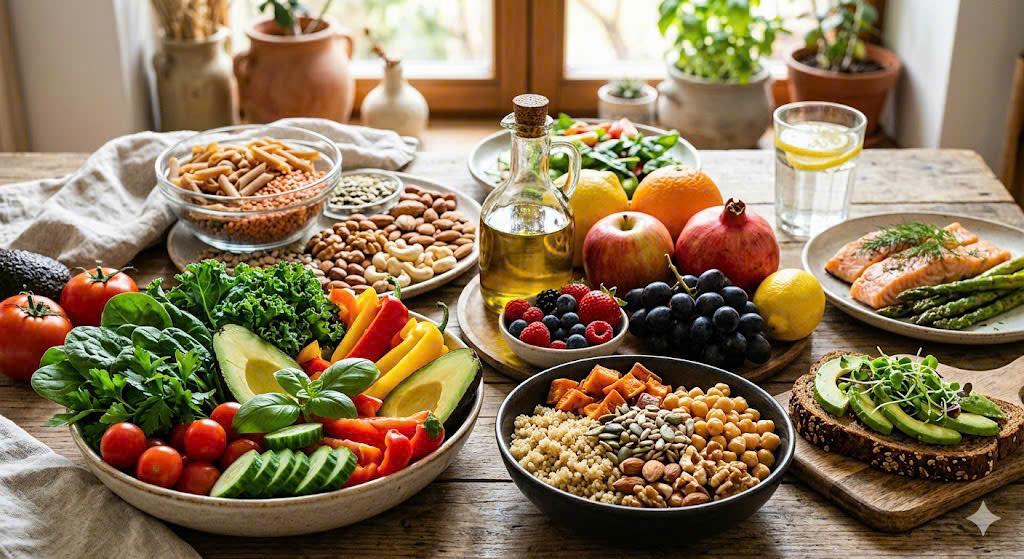
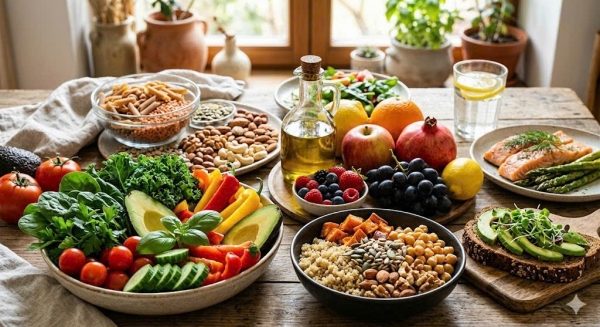
A healthy diet helps prevent chronic diseases and extend lifespan. Illustrative photo
Based on the traditional eating habits of Mediterranean coastal countries, the "alternate" version (AMED) is often used in long-term studies to assess participants' adherence levels.
Key components: Focuses on healthy fats (olive oil), protein from fish, nuts, whole grains, fruits, and vegetables.
Benefits: AMED is particularly effective in protecting cardiovascular health and reducing systemic inflammation. Antioxidants and omega-3 fatty acids help protect cells from premature aging.
The DASH Diet
Originally designed to assist in managing hypertension, DASH has proven its value far beyond its initial goal, becoming one of the healthiest dietary patterns available.
Key components: Prioritizes foods rich in magnesium, calcium, and potassium. This diet minimizes sodium (salt), red meat, and added sugars.
Benefits: Effective blood pressure control reduces pressure on the arterial system, thereby preventing stroke and heart failure—the leading causes of death in older adults.
Healthy Plant-Based Diet Index (hPDI)
It is essential to distinguish between "plant-based eating" and "healthy plant-based eating." A plant-based diet high in refined grains or added sugars can still harm your health.
Key components: Focuses on legumes, dark leafy greens, berries, and whole grains. Plant-based protein sources from soy or nuts completely or largely replace animal protein.
Benefits: This diet is rich in fiber and plant compounds (phytochemicals), which help improve gut microbiota and strengthen the natural immune system.
Diabetes Risk Reduction Diet (DRRD)
This is not only a diet for diabetic patients, but also a preventive strategy for everyone to maintain blood sugar stability.
Key components: Prioritizes foods with a low glycemic index (GI), rich in dietary fiber and unsaturated fatty acids. Crucially, it involves cutting down on sugar-sweetened beverages and ultra-processed foods.
Benefits: Keeping insulin levels stable helps prevent metabolic syndrome and complications associated with chronic inflammation, thereby protecting internal organs from the wear and tear of time.
Alternative Healthy Eating Index (AHEI)
AHEI is a scoring system based on foods and nutrients directly associated with reduced risk of chronic diseases.
Key components: AHEI assigns high scores to the consumption of foods such as vegetables, fruits, nuts, and omega-3 fatty acids from fish, while giving low scores to processed meats and trans fats.
Benefits: Studies show that individuals with higher AHEI scores have significantly lower mortality rates from cancer, cardiovascular disease, and respiratory diseases compared to the rest of the population.
Commonalities Among the 5 Healthy Diets
What all 5 diets have in common is prioritizing natural foods rich in micronutrients like vitamin C, choline, and potent antioxidants. Although each diet has its own distinctions, their shared feature is an emphasis on dietary fiber and healthy fats from fruits, vegetables, legumes, whole grains, and nuts, while avoiding processed foods, trans fats, saturated fats, and sugary drinks.
Limiting industrial foods is not merely a trend, but an essential requirement for achieving a healthy lifestyle.
Instead of being confined to a single rigid model, you can flexibly combine these principles: choose Mediterranean olive oil, reduce salt according to DASH, and eat plenty of dark-colored fruits and vegetables following plant-based principles.
Adhering to any one of these five dietary patterns is beneficial for your goal of living a longer and healthier life.