
Fruits that ruin your stomach on an empty stomach as badly as alcohol
Illustrative photo
Everyone knows that alcohol is an "enemy" of the stomach, especially when consumed on an empty stomach. Without food to act as a barrier, ethanol comes into direct contact with and "scorches" the delicate mucosal lining, causing burning, congestion, and instant ulceration. However, Professor Li Zhigang from Beijing University of Chinese Medicine (China) revealed a little-known truth: Certain fruits eaten on an empty stomach can harm your stomach just as severely as alcoholic beverages.
Among his patients was a woman in her 30s who suffered gastric perforation from eating too many persimmons and drinking orange juice on an empty stomach. Upon arriving at the hospital, doctors discovered her stomach was already riddled with chronic ulcers that had gone unnoticed. When questioned, she explained that she wanted to lose weight, so she replaced meals with fruit or binged on fruit to cut back on subsequent food intake. Unfortunately, she chose precisely the fruits that should never be eaten on an empty stomach.
Through this woman's story, Professor Li reminds everyone that no matter how hungry you feel, you must strictly avoid eating the following 5 fruits immediately on an empty stomach:
1. Persimmons
The destructive nature of persimmons lies in the combination of tannin and pectin. When the stomach is empty, high acid concentrations cause these compounds to precipitate instantly into solid masses of residue. These "stones" continually scrape against the stomach wall, leading to hemorrhage or gastric perforation—a severe physical injury comparable to the effects of strong liquor.
2. Tomatoes
Tomatoes are rich in phenolic resin, which, upon encountering a concentrated acidic environment when the stomach is empty, turns into an insoluble gel-like substance that clings tightly to the mucosal lining. This not only triggers intense epigastric pain but also forms clumps that choke the digestive process, causing the stomach to contract under overload and leading to acute ulcers.
3. Oranges
Many people enjoy drinking orange juice or eating oranges for breakfast. Although nutrient-rich, this fruit is unsuitable for breakfast or for eating on an empty stomach. Oranges contain high amounts of sugar and organic acids. Consuming oranges when hungry irritates the gastric mucosa, spikes stomach acid, and leaves the digestive system feeling bloated and overloaded with acid.
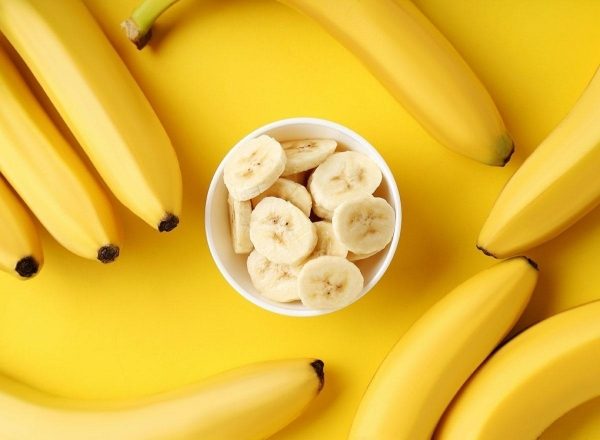
4. Bananas
Few people realize that eating bananas on an empty stomach causes blood magnesium levels to spike sharply, disrupting the balance between magnesium and calcium and putting strain on the cardiovascular system. At the same time, the acidic nature of bananas irritates the autonomic nervous system of the stomach, inducing nausea, gnawing discomfort, and abnormal contractile rhythms rather than supplying sustained energy as commonly believed.
Illustrative photo5. Pineapples
Pineapples contain bromelain, a potent proteolytic enzyme. When the stomach is empty, bromelain turns to "attack" the very protein layer that forms the lining of the stomach and intestines. This biochemical erosion causes a burning sensation, dizziness, and lasting damage to the gastric wall that is difficult to reverse if this habit persists over time.
What should you eat when hungry to protect and nourish your stomach?
To safeguard your digestive shield, instead of opting for acidic fruits, prioritize foods capable of neutralizing gastric juices. For instance:
- Warm porridge or soup. Forms a soothing mucous coating over the lining, calms excess acid, and effectively prevents mechanical damage.
- Boiled eggs. Provides pure protein that helps neutralize digestive juices and maintains satiety without irritating the stomach wall.
Illustrative photo- Oatmeal. Contains soluble fiber that forms a protective gel layer, preventing stomach acid from coming into direct contact with the mucosa.
- Bread. Has exceptional acid-absorbing properties, quickly easing gnawing hunger pangs and burning sensations when your stomach is empty.
- Nuts. Almonds or walnuts supply healthy fats that help stabilize pH levels and slow down the secretion of gastric acid.