
Fruits that cause faster weight gain than eating white rice
Eating 2 segments of durian delivers an energy intake equivalent to nearly 3 bowls of white rice.In reality, some fruits contain such high levels of starch and natural sugars that the energy they provide can far exceed that of a regular bowl of white rice. Understanding the nutritional value of each fruit will help you adjust your diet scientifically, allowing you to enjoy natural flavors while keeping a slim figure.
An average bowl of white rice contains about 200 - 250 calories, mainly from complex carbohydrates, but 5 familiar, addictive fruits harbor surprisingly high calorie counts:
Durian: Durian tops the list of fruits that cause rapid weight gain. In 100g of durian flesh, there are about 147 - 150 calories. A medium-sized durian segment usually weighs around 200g, providing up to 300 calories. Thus, simply eating 2 segments of durian means loading your body with an energy amount equivalent to nearly 3 bowls of white rice.
Beyond providing sugar, durian also contains a significant amount of fat, making fat accumulation even easier if cravings are not controlled.
Ripe bananas: Bananas are an excellent food for athletes, but they can be an "enemy" for people trying to lose weight if consumed in excess, especially ripe bananas. One ripe banana contains about 100 - 110 calories. Eating 2 large bananas is equivalent to eating 1 full bowl of rice. As bananas become riper, their resistant starch converts into simple sugars (fructose, glucose), causing blood sugar levels to spike quickly and prompting the body to store energy as fat.
Enjoy avocados in salads without adding condensed milk, sugar...Longans and lychees: Longans and lychees are two quintessential summer fruits with an irresistible sweet flavor. 100g of lychees or longans provides about 66 - 70 calories. However, due to their small size and pleasant sweet taste, we often tend to eat 200 – 300g or more at a time. The total energy intake can then reach 300 - 400 calories, far surpassing the threshold of a bowl of rice.
The high sugar content in longans and lychees not only accumulates energy, leading to weight gain, but also easily causes internal heat and acne breakouts.
Ripe mangoes: Ripe mangoes are a rich source of vitamin A and vitamin C, but they are also very high in sugar. A medium ripe mango weighing about 300g contains up to 180 - 200 calories. If you eat a mango after a main meal, your total calorie intake will spike, equivalent to eating a second bowl of rice.
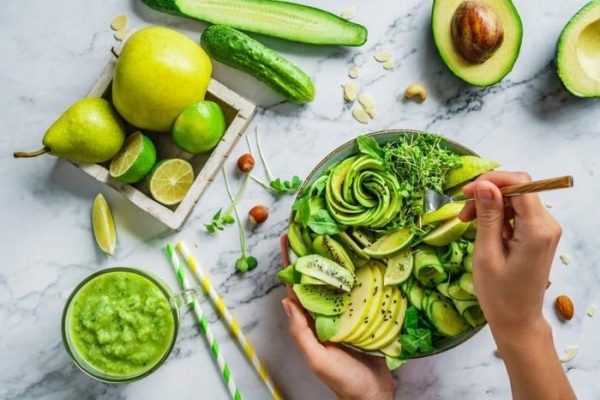
Avocados: Avocados frequently appear on clean-eating weight-loss menus, but if consumed improperly, they will backfire. 100g of avocado contains around 160 calories. A large avocado can provide up to 300 - 350 calories. Although the fat in avocados consists of monounsaturated fats that are very good for cardiovascular health, in terms of energy, it is still fat. Eating avocado with condensed milk or sugar is the perfect recipe for runaway weight gain.
How to enjoy energy-rich fruits without worrying about rapid weight gain
Despite the risk of weight gain, you do not need to completely eliminate these delicious fruits from your diet. The secret lies in controlling the timing and portion size, specifically:
The "calorie compensation" rule: If you plan to eat durian or ripe mango, proactively reduce your rice portion in your main meal. Instead of a full bowl of rice, eat only half a bowl and save the remaining calories for fruit. Balancing your total daily energy intake is the most important key to avoiding weight gain.
Timing of consumption: In the evening, the body is less active, so energy from sugars and starches in fruits will not be fully expended and will be converted into excess fat. It is best to eat these fruits during a morning snack or before exercising; for instance, having a banana or a slice of avocado 30 minutes before working out provides sustained energy to burn more calories during exercise.
Modify preparation methods: For avocados, pair them with lettuce, boiled eggs, or use them in dipping sauces instead of blending them into smoothies with condensed milk. The natural richness of avocado combined with salt and pepper helps you feel full faster. For mangoes, opt for green mangoes instead of ripe ones. Green mangoes contain more fiber, less sugar, and higher amounts of vitamin C, better supporting weight loss.
Eat boiled or cooked green bananas, or just-ripe bananas. When bananas are still green, most of their carbohydrates exist in the form of resistant starch. This type of starch resists digestion in the small intestine. Instead of being broken down into sugar and absorbed into the bloodstream, it passes directly to the large intestine. There, resistant starch ferments and becomes food for beneficial bacteria. This process produces short-chain fatty acids, enhancing the body's fat-burning capacity and preventing the accumulation of new fat.
Combine with fiber and protein: When eating sweet fruits, pair them with nuts or unsweetened yogurt. Protein and healthy fats in nuts slow the absorption of sugar into the bloodstream, preventing sudden blood sugar spikes and helping you stay full longer.
Maintain strict portion control: Set your own limits, such as eating only 1 durian segment per week; no more than 100g of lychees or longans per serving; and 1 banana per day is sufficient for your energy needs (if not engaging in high-intensity training).