
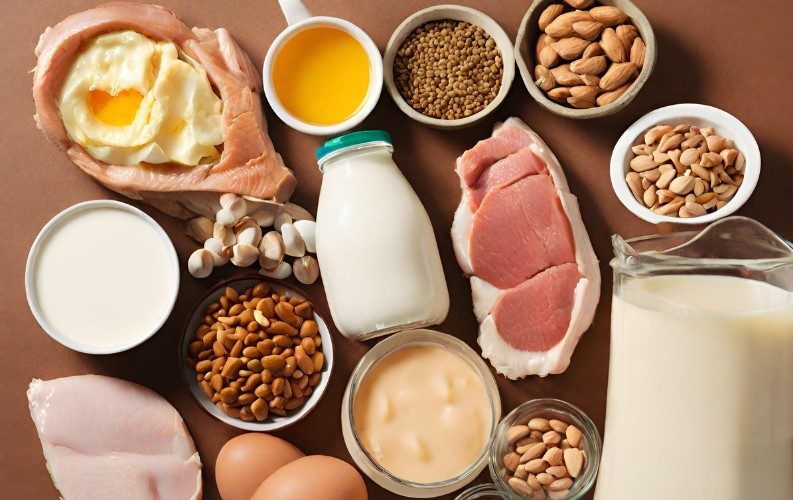
Food groups to prioritize for effective blood sugar management
Type 2 diabetes is on the rise in Vietnam, closely linked to sedentary lifestyles, overweight and obesity, and diets high in refined carbohydrates. According to recommendations from the World Health Organization (WHO) and the U.S. Centers for Disease Control and Prevention (CDC), proper nutrition is one of the most critical measures for managing blood glucose, enhancing insulin sensitivity, and lowering the risk of cardiovascular complications.
No single "superfood" can reverse the condition, but prioritizing foods rich in dietary fiber, healthy fats, and high-quality protein with a low glycemic index (GI) can help stabilize postprandial blood glucose, lower HbA1c levels, and support weight management.
Here are 5 familiar and accessible food groups for Vietnamese people that have been widely documented in research to benefit blood sugar control.
1. Dark leafy greens for blood sugar regulation
Leafy green vegetables such as spinach, kale, mustard greens, water spinach, and amaranth are low in carbohydrates yet packed with fiber, magnesium, and antioxidants. Soluble fiber slows glucose absorption in the small intestine, thereby preventing sudden post-meal blood sugar spikes. Magnesium is an essential mineral involved in insulin signaling; a deficiency in magnesium can impair insulin sensitivity.
Observational studies suggest that high vegetable intake is associated with a lower risk of developing type 2 diabetes. For those already diagnosed, increasing vegetable portions also promotes satiety and assists with weight control—a key factor in improving glycemic outcomes.
Practical recommendations: Consume at least 300–400g of vegetables daily; prioritize boiling, steaming, or light stir-frying with minimal oil; incorporate leafy greens into soups, fresh salads, or low-sugar smoothies.
2. Nuts and seeds providing healthy fats
Almonds, walnuts, chia seeds, flaxseeds, and pumpkin seeds provide unsaturated fatty acids, plant-based protein, and dietary fiber. This combination helps slow carbohydrate absorption, prolongs feelings of fullness, and curbs unhealthy snacking.
Omega-3 fatty acids found in certain nuts and seeds possess anti-inflammatory properties—particularly beneficial since low-grade chronic inflammation is a recognized driver of insulin resistance. Several small clinical trials have demonstrated that adding nuts to the diet can modestly improve fasting blood glucose and specific lipid markers. However, nuts are energy-dense; excessive intake may increase total caloric consumption and lead to weight gain, which is counterproductive for glycemic management.
Practical recommendations: Consume around 20–30g of nuts and seeds per day without added salt, sugar, or honey coatings; sprinkle them over salads or unsweetened yogurt, or enjoy them as a healthy snack.
3. Whole grains to replace refined carbohydrates
Refined carbohydrates like white rice, white bread, rice vermicelli, and pho noodles often have a high glycemic index, leading to rapid postprandial glucose surges. Replacing them with whole grains such as brown rice, oats, quinoa, and millet delivers more fiber, features a lower GI, and slows glucose absorption. Fiber also nourishes the gut microbiome, an area of growing research in metabolic health regulation.
Meta-analyses indicate that individuals with higher whole-grain consumption face a lower risk of type 2 diabetes compared to low-intake groups. Nevertheless, portion control remains crucial. Even with "good" carbohydrates, exceeding total caloric needs can still cause blood sugar to rise.
Practical recommendations: Substitute 30–50% of white rice with brown rice or whole grains; space meals evenly without consuming excessive carbohydrates at one time; pair carbohydrates with vegetables and proteins to slow sugar absorption.
4. Fatty fish supporting metabolism and cardiovascular health
Salmon, mackerel, sardines, and herring are abundant sources of omega-3 fatty acids. Omega-3s help reduce inflammation and support cardiovascular health—critical since heart disease is the leading complication among people with diabetes.
While omega-3s do not directly lower blood glucose levels, including fatty fish 2–3 times per week helps improve blood lipid profiles, lowers triglycerides, and aids weight management when replacing protein sources high in saturated fat. The high-quality protein in fish also promotes lasting satiety, curbing overeating.
Practical recommendations: Eat fatty fish 2–3 meals per week, opting for steaming, poaching, or grilling instead of deep-frying; pair with green vegetables and avoid sugary sauces.
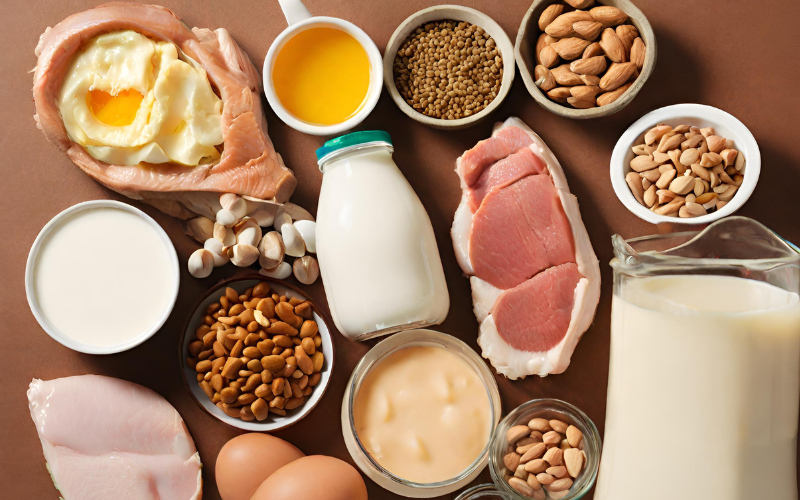
Nuts provide healthy fats that improve blood glucose and select lipid indicators.
5. Beans and lentils as fiber-rich plant protein sources
Lentils, red beans, mung beans, and black beans are rich sources of plant-based protein, soluble fiber, and resistant starch. These nutrients slow glucose absorption and blunt postprandial glycemic responses.
Intervention studies show that increasing legume consumption can improve HbA1c and insulin sensitivity in individuals with type 2 diabetes. Furthermore, beans have a lower GI than many refined carbohydrates and help maintain fullness longer, aiding weight loss when used to replace part of regular starch intake.
Practical recommendations: Replace a portion of white rice with beans or lentils in daily meals; avoid adding sugar when making traditional bean soups or desserts; combine legumes with vegetables and other protein sources for balanced nutrition.
Effective blood sugar control does not come from a single type of food, but from an overall dietary pattern rich in vegetables, whole grains, lean protein, and unsaturated fats; while limiting free sugars, sugary drinks, and ultra-processed foods. Furthermore, maintaining a healthy weight, physical activity for at least 150 minutes per week, and adhering to treatment as directed by a doctor are irreplaceable factors. Patients need to monitor their blood sugar regularly, attend follow-up appointments as scheduled, and not stop taking medication on their own when seeing improved indicators.