
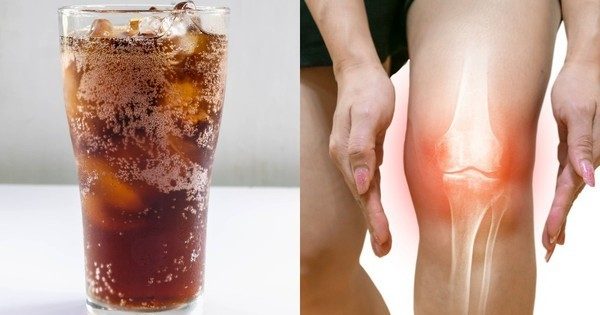
Food groups that weaken bones and joints to avoid

The main ingredients in soft drinks have a significant impact on bone and joint health.
The musculoskeletal system includes both sturdy bones for support and flexible joints for movement. To maintain this entire system, the body not only requires bone-building minerals but also needs to protect joint cartilage from inflammation and degeneration.
Recognizing and cutting down on harmful foods is a crucial part of your daily diet.
Below are 5 familiar groups of foods and beverages that can weaken your musculoskeletal system if consumed regularly.
1. Carbonated soft drinks adversely affect bones and joints
Carbonated soft drinks negatively affect both bones and joints through multiple mechanisms. Consuming carbonated soft drinks over a long period can cause severe impacts on bone health. The phosphoric acid content in soft drinks can reduce the body's ability to absorb calcium, leading to weakened bones and osteoporosis. When excess amounts of this acid are consumed, blood phosphorus levels rise, forcing the body to draw calcium from the bones to restore balance, gradually weakening them. The caffeine content in soft drinks also lowers bone density.
Soft drinks contain very high amounts of artificial sugar. During the metabolism of sugar from soft drinks, the body must utilize a large amount of essential minerals, especially calcium. This accelerates calcium excretion through urine, leading to severe calcium deficiency. Sugar triggers systemic inflammatory responses, making joint cartilage tissues prone to damage, swelling, and pain. Furthermore, consuming many sugary drinks easily leads to weight gain, creating immense mechanical pressure on weight-bearing joints such as knees and hips, speeding up cartilage wear and tear.
2. Consuming too much coffee reduces bone mineral density
Drinking too much coffee (4 cups or more per day) directly affects bone density. Numerous studies have proven that caffeine can disrupt calcium absorption and decrease bone mineral density, making bones more porous and prone to fractures. Regular consumption of caffeinated beverages not only increases the risk of a primary fracture but may also cause recurrent fractures.
Caffeine acts as a diuretic, causing the body to excrete essential calcium through the urine. Although the amount of calcium lost per cup of coffee is modest, continuing this habit long-term without adequate nutritional compensation will leave bones porous. When the subchondral bone foundation weakens, joints also lose their firm support, easily resulting in instability and pain during movement.
3. Alcoholic beverages inhibit bone formation
Consuming large amounts of alcohol causes concurrent damage to both bones and joints. Alcohol impairs calcium absorption by the stomach lining and undermines liver function, hindering the body's ability to metabolize vitamin D for calcium absorption. It also directly suppresses new bone-forming cells.
When you drink too much alcohol, the stomach absorbs calcium less effectively. Alcohol also affects the pancreas and liver, reducing the ability to absorb essential minerals and vitamins needed for bone building, such as calcium and vitamin D.
For joints, alcohol is a potent dehydrating agent. When the body is dehydrated, the lubricating fluid in joint cavities decreases, causing cartilage surfaces to rub against each other more intensely, leading to pain and joint stiffness. Alcoholic beverages also raise uric acid levels in the blood, increasing the risk of arthritis and gout.
4. High-sodium foods increase the risk of joint inflammation
A high-salt diet is a leading cause of bone mineral loss. When the body needs to eliminate excess sodium through the kidneys, calcium is pulled along with it. For every 2,300 mg of sodium consumed, the body loses approximately 40 mg of calcium.
For joints, excessive salt intake causes fluid retention in the body. This water retention increases pressure on blood vessels and soft tissues surrounding the joint cavities, easily leading to swelling and exacerbating pain in people who already suffer from arthritis. Therefore, the United States Department of Agriculture (USDA) recommends limiting daily sodium intake to under 2,300 mg by reducing canned foods, cold cuts, and fast food.
5. Hydrogenated oils accelerate joint degeneration
Hydrogenated oils (also known as trans fats) are artificial fats found in cookies, snacks, and industrially fried foods. The high-temperature production process of this oil destroys natural vitamin K, an essential micronutrient that helps bind calcium into the bone matrix.
More critically for joints, trans fats are the most potent triggers of inflammation among all dietary components. The chronic inflammation caused by these fats directly destroys articular cartilage cells, causing joints to lose elasticity and accelerating the degenerative process.