
Drinks that support natural collagen production
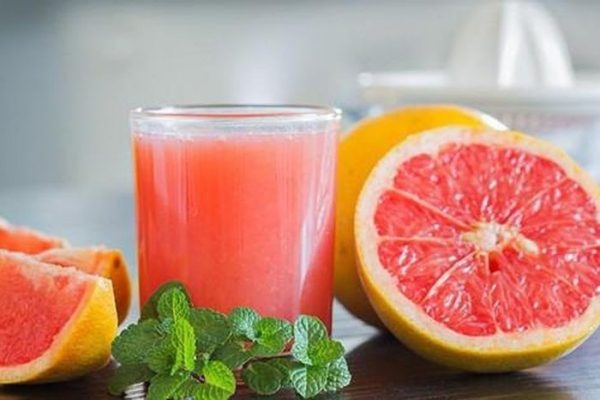
Citrus juices are rich in vitamin C, which helps stimulate collagen production.
1. Green leafy vegetable juice helps the body produce collagen
Because green leafy vegetables are packed with nutrients, vitamin C, amino acids, and proteins, they can help the body produce collagen.
Research shows that green vegetables have the effect of slowing down skin aging and promoting tissue regeneration in the body, making them an important part of a nutrient-rich and anti-aging diet.
It is recommended to juice green leafy vegetables such as spinach, kale, Swiss chard, or cabbage. Note that the juicing process can remove some nutrients like fiber.
2. Citrus juice rich in vitamin C
The abundant vitamin C and antioxidant content in citrus fruits can help stimulate collagen production. Vitamin C plays a crucial role in the collagen formation process. That is why people deficient in vitamin C may experience problems with skin wound healing.
Some animal studies suggest that citrus fruit juices have anti-aging effects, including reducing wrinkles and increasing collagen content. However, more human studies are needed to officially confirm this link.
To maximize the potential collagen-boosting benefits from vitamin C-rich drinks, consider adding 100% pure orange, grapefruit, lemon, or passion fruit juice (with little or no sugar) to your diet.
3. Berry smoothies
Like citrus fruits, many types of berries contain high levels of vitamin C. Some evidence suggests that berries help promote skin wound healing and significantly improve collagen formation when consumed regularly.
You can prepare various berry smoothies like strawberry, blackberry, or blueberry smoothies to supplement vitamins and stimulate collagen production.
4. Cow's milk, a complete protein source
Milk and dairy products not only contain collagen but are also considered complete proteins (containing all essential amino acids). Our bodies can use these amino acids to produce collagen.
Studies have shown that proline and glycine in milk help promote collagen production, increase skin elasticity, and support joints.
Soy milk contains isoflavones that help boost collagen and improve skin aging.5. Soy milk contains isoflavones
Soy milk is another option for collagen production for those who do not drink cow's milk. Soy provides complete protein and contains isoflavones that support collagen production.
Isoflavones are plant-derived compounds primarily found in soybeans, which have effects similar to the hormone estrogen. Isoflavone-rich foods have anti-inflammatory and antioxidant properties that help prevent cell damage.
Some studies have shown that soy milk, thanks to its isoflavone content, helps boost collagen and improve skin aging caused by sun damage while moisturizing the skin in postmenopausal women.
Note: Since the body produces less collagen with age, supplementing collagen-boosting nutrients through the diet helps better support collagen levels in the body for healthier skin, hair, and joints.
A healthy diet should be maintained, prioritizing protein and avoiding added sugars, avoiding smoking, limiting alcohol consumption, getting enough sleep, managing stress, and protecting the skin from sun damage.
While collagen supplements are generally considered safe for most healthy adults, it is best to consult a doctor before use.