

The best culinary herbs to reduce inflammation and boost heart health
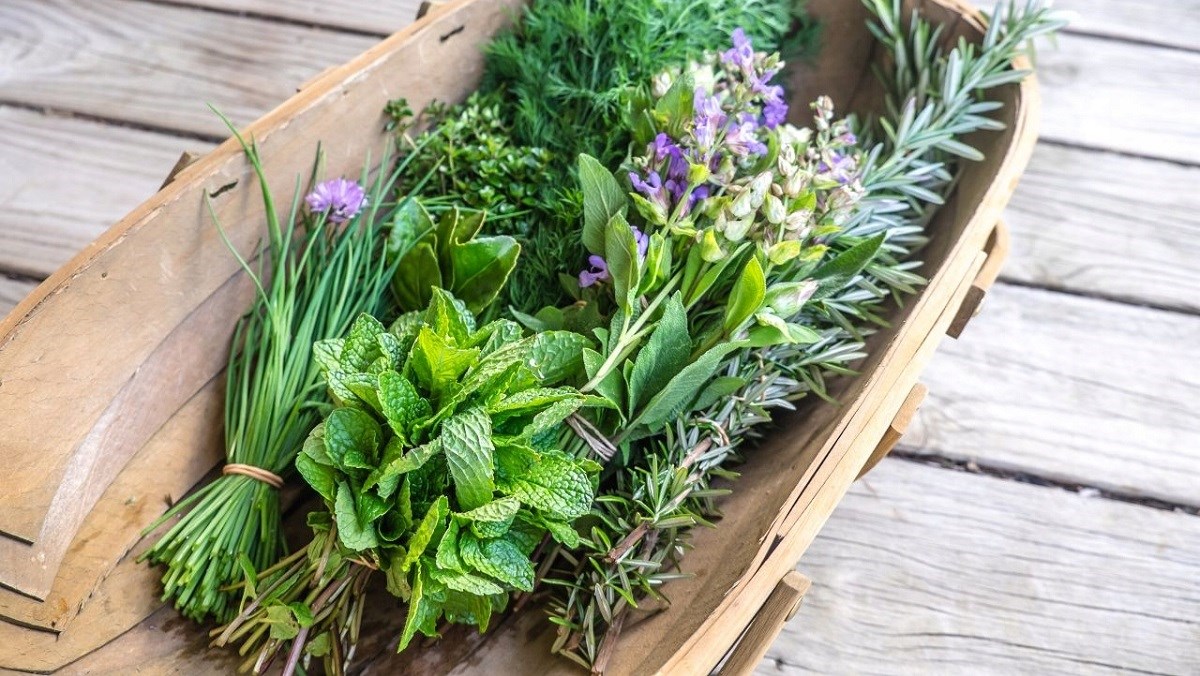
Many culinary herbs add rich flavor to dishes while providing tremendous health benefits.
Culinary herbs are whole, unprocessed plant foods that are very low in calories yet packed with essential nutrients. Instead of using salt or high-sodium seasonings that drive up blood pressure, adding herbs offers a heart-healthy alternative to protect cardiovascular function.
Here are 5 popular herbs offering outstanding health benefits supported by nutritionists and scientific research.
1. Cilantro helps stabilize blood pressure and protect brain cells
Cilantro (coriander) not only brings a fresh, vibrant aroma to dishes but is also an abundant source of potassium. Potassium is an essential electrolyte that helps maintain healthy blood pressure levels and supports heart muscle function.
Scientific studies indicate that cilantro contains the antioxidant lutein. Beyond its anti-inflammatory effects, this compound plays an important role in preserving brain health and lowering the risk of age-related chronic diseases.
2. Rosemary helps relieve anxiety
Native to the Mediterranean, rosemary is renowned for its rich concentrations of rosmarinic acid and carnosic acid. These phytochemicals possess potent anti-inflammatory properties, helping to repair cellular damage that occurs during metabolism.
Incorporating rosemary into your diet supports digestion and positively influences the nervous system. Scientific evidence suggests that its aroma and active compounds can enhance alertness while easing anxiety—a key indirect contributor to cardiovascular strain.
3. Basil supports blood sugar management
Basil is rich in vitamin K, which is essential for bone health and normal blood clotting. Its defining strength lies in its diverse powerhouse of antioxidants.
Research shows that basil has beneficial effects in maintaining stable blood sugar levels and improving blood circulation. Effectively managing blood sugar and blood pressure is the "key" to preventing severe cardiovascular complications and strokes.
4. Oregano – a culinary herb rich in antimicrobial compounds
Oregano is a cornerstone of the Mediterranean diet, widely recognized as one of the best diets for cardiovascular health. This herb contains flavones, plant pigments known for their powerful anti-inflammatory and antibacterial properties.
Nutrition experts note that oregano is loaded with antioxidants that help lower the risk of chronic illnesses, including cancer and heart disease. Whether used fresh or dried, oregano retains these valuable plant compounds, bolstering the body's defenses against inflammatory triggers.
5. Parsley fights inflammation and protects blood vessels
Parsley frequently tops the list of beneficial herbs. It is exceptionally rich in vitamins A, C, and K, which play critical roles in supporting immune function and normal blood coagulation.
In particular, parsley boasts a high concentration of flavonoids—potent anti-inflammatory compounds. According to specialists at the Cleveland Clinic, these antioxidants help neutralize free radicals, thereby minimizing damage to blood vessel walls and sustainably promoting heart health.
To maximize these benefits, opt for whole, fresh herbs rather than concentrated dietary supplements to avoid unintended side effects. Start by replacing part of your daily salt intake with these herbs in your family's meals.