
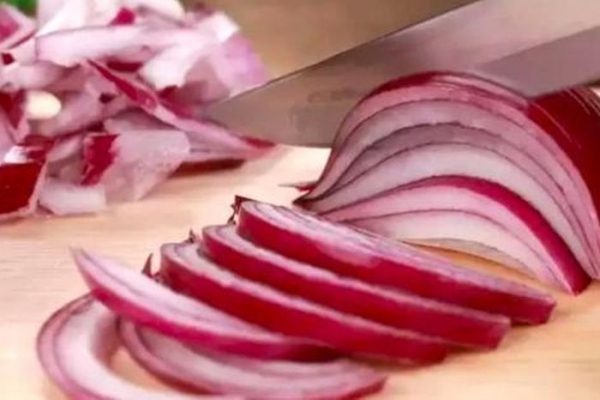
Benefits of eating raw onions in summer
Eating raw onions helps the body "cool from the inside."Summer with prolonged hot weather makes the body susceptible to dehydration, fatigue, and weakened resistance. Besides drinking enough water, choosing appropriate foods also plays an important role in maintaining health. Raw onion is a popular, easy-to-prepare food that can be eaten directly or combined in salads.
According to Traditional Medicine, onions have a sweet and spicy taste, neutral properties, non-toxic, and benefit 3 meridians: liver, spleen, and heart; they have functions of strengthening the digestive system, eliminating phlegm, detoxifying, activating blood, and stopping bleeding.
According to nutritional data, onions contain a lot of water, fiber, vitamin C, vitamin B6, folate, and antioxidant compounds like quercetin. These ingredients contribute to supporting many physiological functions of the body, especially in hot weather conditions.
1. Benefits of onions
1.1. Supports body temperature regulation on hot days
One of the frequently mentioned benefits of raw onions is the ability to help the body "cool from the inside." This is not a direct effect of lowering body temperature, but is mainly related to water content and micronutrients that help balance metabolism.
Onions have a high water content, which helps supplement part of the body's fluid when eaten. Additionally, antioxidants in onions contribute to reducing oxidative stress – a condition that often increases when the body is exposed to high temperatures. Supplementing water-rich foods and micronutrients like onions can help the body adapt better to hot environments.
1.2. Contributes to maintaining water and electrolyte balance
Dehydration is a common risk in summer, especially for outdoor workers, the elderly, and children. Onions consist of about 85–90% water, while also providing some minerals like potassium.
Potassium plays an important role in maintaining electrolyte balance, supporting muscle and nervous system activity. When combining onions with other foods in a meal (such as green vegetables, tomatoes, cucumbers), it can contribute to improving mild dehydration. However, it should be noted that onions cannot replace drinking water. Adequate water supplementation remains the most important factor in preventing dehydration.
1.3. Supports reducing the risk of heatstroke
Sunstroke and heatstroke are dangerous conditions that can occur when the body is exposed to high temperatures for a long time. Some folk beliefs suggest that eating raw onions helps prevent heatstroke.
Scientifically, onions are not a direct treatment or prevention measure for heatstroke. However, ingredients like vitamin C, vitamin B6, and antioxidants can contribute to supporting immune function and reducing mild inflammation. Besides, eating water-rich foods like onions can help maintain better hydration status, thereby indirectly reducing the risk of heat-related issues.
To prevent heatstroke effectively, it is necessary to combine many measures such as drinking enough water, avoiding going out during peak sun hours, wearing airy clothes, and resting properly.
1.4. Boosts immunity, reduces risk of seasonal illnesses
Summer not only brings the risk of heatstroke but is also a time prone to digestive and respiratory tract infections. Onions contain vitamin C and sulfur compounds with antioxidant properties.
These substances help protect cells from damage, while supporting immune system activity. Quercetin – a flavonoid found in onions – has been studied for its anti-inflammatory and immune-supporting roles. Adding onions to the diet can contribute to diversifying nutritional sources, thereby helping the body fight against common pathogens in the hot season.
1.5. Beneficial for skin and hair
Dry, dull skin or weak hair easily occur when the body lacks water and micronutrients in the summer. Onions provide some important nutrients such as vitamin C and sulfur-containing compounds. Vitamin C participates in the synthesis of collagen – an important component that helps skin maintain elasticity. Meanwhile, sulfur compounds play a role in the structure of keratin – the main protein of hair.
Additionally, maintaining enough water through a proper diet also contributes to helping the skin retain moisture better. However, this effect is supportive and does not replace other skin and hair care measures.
2. How to use raw onions safely in summer
Despite many benefits, eating raw onions requires some notes to ensure safety:
• Proper washing and preparation: Onions should be washed clean, peeled, and can be soaked in diluted salt water to reduce the pungent taste.
• Do not eat too much: Eating too many raw onions can cause stomach irritation, bloating, or indigestion, especially in people with digestive diseases.
• Combine with other foods: Should be eaten with green vegetables, vegetable oils, or protein sources to balance nutrition.
• Caution for sensitive individuals: People with stomach ulcers, gastroesophageal reflux, or allergies should limit or consult a doctor before use.
Raw onions are a beneficial dietary supplement, but not the "sole solution" to protect health in the hot season. To maintain good condition, it is necessary to combine:
Drink enough water (about 1.5-2 liters/day depending on needs)
Eat a variety of foods
Limit going out when temperatures are high
Rest properly...
Raw onions are nutrient-rich foods that can support the body in adapting to hot weather thanks to their water, vitamin, and antioxidant content. When used correctly, onions can contribute to improving overall health during summer. However, it should be understood that this is only one part of a balanced diet and does not replace comprehensive health care measures.