
Fiber-rich seeds to help improve constipation
Constipation is often related to a diet lacking in fiber, not drinking enough water, or physical inactivity. In addition to green vegetables, fruits, and whole grains, certain seeds are also sources of fiber and nutrients beneficial to the digestive system.
However, adding seeds should be done gradually, combined with drinking enough water and maintaining a diverse diet for better effectiveness.
Chia seeds are rich in soluble fiber
Chia seeds are among the seeds with a high fiber content. About 28 g of chia seeds provide nearly 10 g of fiber, including both soluble and insoluble fiber.
When in contact with water, chia seeds absorb water and form a gel-like substance. This fiber contributes to increasing stool volume, retaining water, and supporting the movement of stool through the intestines.
How to use: You can soak 1-2 tablespoons of chia seeds in water for about 10-15 minutes until fully expanded, then serve with yogurt, smoothies, or salads. Do not eat large amounts of dry chia seeds as they have a strong water-absorbing capacity.
Chia seeds can be combined with fruits like papaya, dragon fruit, or other fruits to increase dietary diversity.
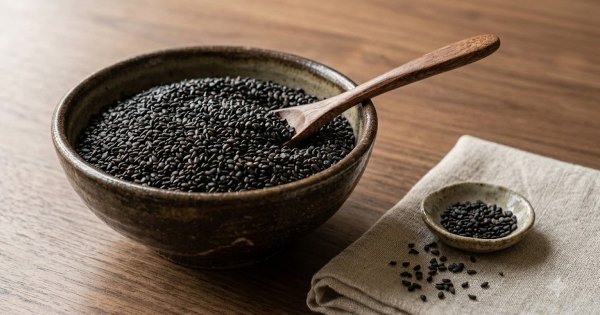
Sesame seeds provide fiber for the intestines
Sesame, especially whole sesame seeds, provides fiber along with unsaturated fats, protein, and several minerals.
Adding sesame to the diet contributes to increasing total daily fiber intake, thereby supporting the normal functioning of the digestive system. Sesame can also help make meals more diverse without needing many seasonings.
In traditional medicine, black sesame is often used in some remedies and dishes. However, sesame should not be viewed as a substitute for evaluating the cause of constipation.
How to use: You can lightly toast sesame, crush or grind them, and sprinkle them on rice, porridge, salads, yogurt, or vegetable dishes. Priority should be given to pure sesame, limiting products with high sugar or salt.
Almonds add fiber and magnesium
Almonds are seeds rich in fiber, protein, unsaturated fats, and magnesium. About 28 g of almonds provides about 3.5 g of fiber and 76 mg of magnesium.
Fiber helps support bowel movements and maintain regular digestive activity. Magnesium is also a mineral necessary for many body functions.
Almonds can be used as a snack or combined with other foods in breakfast.
How to use: You can eat a moderate amount of plain roasted almonds, unsalted, or combine them with yogurt and fruit. Priority should be given to whole almonds, limiting products coated in sugar, salt, or deep-fried in oil.
Pumpkin seeds are rich in fiber and magnesium
Pumpkin seeds provide fiber, magnesium, protein, and unsaturated fats. Adding a moderate amount of pumpkin seeds to the diet can contribute to increasing fiber intake and nutrients for the body.
Pumpkin seeds are also a source of magnesium, a mineral involved in many metabolic processes and body activities.
How to use: You can lightly toast pumpkin seeds and use them as a snack or sprinkle them on salads, soups, or porridge. Choose unsalted or low-salt varieties to limit sodium intake.
Notes when adding seeds to support constipation relief
Drink enough water: Fiber needs water to perform its role in the digestive tract. When increasing fiber intake without adding enough water, stool can become dry and more difficult to move. Each person's water needs vary, depending on age, activity level, weather, and health status.
Increase fiber gradually: If the body is not used to a high-fiber diet, a sudden increase can cause gas and bloating. Fiber intake should be increased gradually to give the intestines time to adapt.
Combine multiple fiber sources: Seeds are only one part of the diet. To support digestion, they should be combined with green vegetables, fruits, legumes, and whole grains.
Watch portions: Seeds are energy-dense, so large quantities are not necessary. Prioritize pure seeds, with little or no salt, sugar, and oil.
If constipation persists, recurs frequently, or is accompanied by severe abdominal pain, vomiting, unexplained weight loss, or blood in the stool, a medical examination is necessary to find the cause and receive appropriate treatment guidance.