

Health benefits of salted eggs and how to eat them properly?
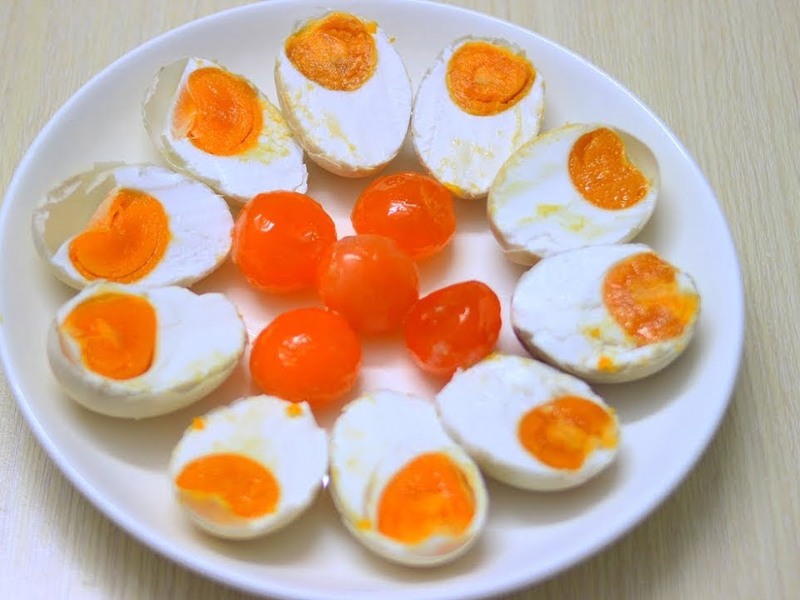
Salted eggs are not only beneficial for overall health but also important for maintaining the normal function of organs and systems in the body.
Salted eggs provide a large content of lecithin and B vitamins thanks to the fermentation process, which effectively supports brain activity and vision. However, due to high sodium and cholesterol levels, uncontrolled consumption can put pressure on the cardiovascular system. Understanding their nutritional value will help you enjoy this delicious dish in the most scientific way.
1. The surprising nutritional value of salted eggs
Salted eggs (usually duck eggs) are prepared by soaking them in saturated brine or wrapping them in a layer of salty clay for about 30 - 50 days.
The salt osmosis process changes the structure of proteins and fats. The yolk becomes firm, waxy, and releases a characteristic fatty oil layer. Nutritionally, a salted egg weighing about 73 g provides:
-
Energy: 130 kcal
-
Fat: 9.6 g
-
Carbohydrates: 1 g
-
Protein: 9 g
-
Calcium: about 90 mg
-
Lecithin: 2.2 g - 2.8 g
-
Iron: 2.5 mg – 2.7 mg
-
Magnesium: 13 mg - 16 mg
-
Vitamins A, B12, D, E.
2. What are the health benefits of eating salted eggs?
Many people mistakenly think salted eggs are just a side dish for flavor, but in reality, they bring many benefits if consumed correctly.
2.1. Good for the brain and nervous system
Salted egg yolks contain a high content of lecithin and vivid pigments. When entering the body, lecithin releases choline – an extremely important neurotransmitter. It helps improve memory, increase focus, and prevent cognitive decline in the elderly.
2.2. Supports the prevention of eye diseases
Salted eggs are rich in vitamin A and lutein. These compounds act as a blue light filter, protecting the retina from oxidative damage. Eating salted eggs in moderation helps reduce the risk of cataracts and macular degeneration.
2.3. Provides energy and regenerates red blood cells
The iron and vitamin B12 content in salted eggs is higher than in fresh eggs thanks to the natural fermentation process. This is very beneficial for people with mild anemia, helping the skin look healthy and reducing fatigue and dizziness.
2.4. Prevents aging and beautifies the skin
Vitamin E and antioxidants in salted eggs help protect cell membranes and slow down the skin aging process. Many studies show that trace elements in egg yolks also support liver detoxification at a mild level.
3. What are the side effects of overusing salted eggs?
Despite being nutritious, salted eggs have "weak points" if portion sizes are not controlled:
Extremely high salt content: The soaking process allows salt to penetrate deep into the egg. Consuming too much salt is a direct cause of high blood pressure, kidney stones, and cardiovascular diseases.
Cholesterol: One salted egg yolk contains a significant amount of cholesterol. People with high blood fat or atherosclerosis should be especially careful.
Risk of bacterial infection: If the egg salting process does not ensure hygiene, Salmonella bacteria can enter, causing food poisoning.
Due to these side effects, salted eggs are not for people with high blood pressure or kidney disease. In addition, pregnant women with edema and obese people also need to eliminate this dish to limit water retention and control blood fat effectively.
4. How to use salted eggs for good health
To maximize the benefits without worrying about side effects, keep these tips in mind:
Reasonable dosage: You should only eat a maximum of 1 - 2 eggs per week. For the elderly or people with underlying diseases, limit yourself to only eating the yolk and discarding the white (where most of the salt is concentrated).
Food combination: You should eat salted eggs with green vegetables and potassium-rich fruits (such as bananas, oranges) to help the body eliminate excess sodium more effectively.
Proper preparation: Always boil or steam salted eggs before eating. Do not eat undercooked eggs to avoid parasites.
How to choose good eggs: A good salted egg has a greenish-white shell and is not cracked. When held under the light, the yolk should be bright pink, firm, and have no strange odor.