
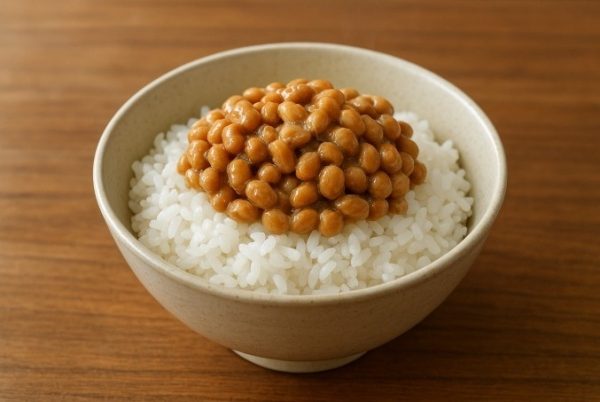
Benefits of eating Japanese fermented soybeans
Mix natto with rice and add soy sauce, eggs, green onions, or mustard to reduce its characteristic pungent odor
Natto is a traditional Japanese dish made from fermented soybeans, featuring a sticky, chewy texture, brown color, and a distinctive strong smell. Regular consumption of this dish can bring many health benefits.
Strengthen gut health
Natto contains beneficial bacteria that support the gut microbiome, which is essential for digestion. The fermentation process also creates compounds that help intestinal motility function well, reducing bloating. A healthy digestive system helps boost resistance and prevent chronic diseases.
Support bone and heart health
Vitamin K2 in this food combines with vitamin D to transport calcium into the bones. Without this process, calcium accumulates in soft tissues, which is not good for vascular health.
Eating natto is linked to a reduced risk of heart disease. This may be partly due to nattokinase, an enzyme produced through the fermentation process. Nattokinase also contributes to lowering blood lipid levels, preventing the formation of arterial plaques, and acting as a blood thinner.
Control blood pressure
Uncontrolled high blood pressure over time increases the risk of heart attack, stroke, heart failure, and many other diseases. Natto also contains many important nutrients that contribute to blood pressure control, including calcium, potassium, magnesium, fiber, and protein. It is also a low-sodium food, beneficial for people with hypertension.
Reduce inflammation
Components such as lunasin and isoflavones in soybeans have antioxidant properties, neutralizing harmful free radicals and reducing oxidative stress—the cause of inflammation. Natto is rich in protein and fiber, which helps increase satiety and limit the consumption of unhealthy dishes. Fermented foods support improved gut microbiome health, which is linked to a significant reduction in body mass index (BMI) and fat mass.
Possible side effects when eating natto include digestive symptoms such as diarrhea or constipation. Natto is a high-fiber food, so eating too much can cause gas, bloating, and diarrhea. People with soy allergies should not use it. Soy products can interact with certain medications. Those taking medication for illnesses should consult a doctor when adding them to their daily diet.
Those tasting natto for the first time may notice a very characteristic pungent smell. In Japan, this dish is usually served with rice and eggs.