

Drinks that "destroy the liver" if consumed in excess, yet many think are healthy and drink daily
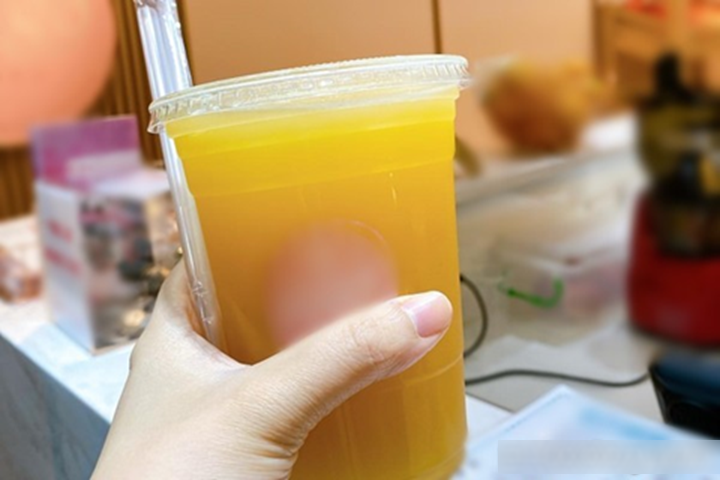
According to Dr. Trác Vĩ Nho, a gastroenterology and hepatology specialist (Taiwan, China), this is the question he hears most often in the clinic after annual health check-ups. Many people believe that simply choosing "low sugar" options makes them safe, but in reality, low sugar does not equate to being healthy.
The problem lies in the fact that liquid sugar in drinks is very easily over-consumed. When drinking, sugar enters the body quickly and provides little sense of fullness, causing many to unintentionally drink them more frequently. According to the doctor, the body does not just look at whether it is "sweet or not," but more importantly, the total amount of sugar and the frequency of consumption.
He particularly warns about 3 types of drinks often misunderstood as healthy but which easily increase the risk of fatty liver disease.
Fruit juices and smoothies: Sugar is absorbed much faster than when eating whole fruit
Many people think fresh fruit juice is a healthy choice, but the doctor says drinking juice is actually completely different from eating whole fruit.
When fruit is juiced or blended, the chewing process is eliminated and part of the fiber is lost, allowing the fructose in the fruit to be absorbed more quickly into the body. If consumed in large quantities, especially daily, the sugar intake can increase significantly.
Experts recommend eating whole fruit is good, but you should not drink juice as a substitute for plain water. If you want to drink it, choose a small glass, do not add sugar, and do not consume it daily.
Sour drinks, drinking yogurt, sports drinks: The sour taste can "hide" a lot of sugar
Certain drinks like sour-flavored beverages, fermented drinks, or sports drinks often create a refreshing feeling, so many people think they are not too sweet.
However, according to Dr. Trác Vĩ Nho, to balance the sour taste and make the drink more palatable, manufacturers often add quite a lot of sugar. Therefore, even if the taste is not overly sweet, the actual sugar content remains high.
In most cases, plain water is still the best choice for hydration. Only during intense exercise or prolonged sweating is the use of electrolyte or sports drinks truly necessary. If used, choose low-sugar or sugar-free varieties.
Oat milk and grain drinks: Actually "liquid starch"
In recent years, oat milk and various grain drinks have been viewed by many as a healthy choice.
However, the doctor states that the nature of many of these drinks is liquid starch. If the product also has added sugar or flavorings, the calorie and sugar count can increase significantly.
This doesn't mean you must avoid them entirely, but consumers should read ingredients carefully, check the sugar content, and not drink them as frequently as plain water.
To protect the liver, the key is reducing the frequency of sugary drinks
According to Dr. Trác Vĩ Nho, the simplest yet most effective change is to reduce the frequency of drinking sugary beverages.
For example, if you used to drink one glass every day, reduce it to 2-3 times per week. This often has a greater impact than just debating between "low sugar" or "half sugar."
Additionally, he recommends eating whole fruits instead of drinking juice to retain fiber; drink plain water as the primary source of hydration; unsweetened tea is acceptable, but sugary drinks should not be used for daily thirst quenching.
Experts emphasize that fatty liver is the result of a combination of factors such as calorie intake, metabolism, exercise, and sleep. Among these, sugary drinks are a factor often underestimated but very easy to accumulate daily, so special vigilance is required.